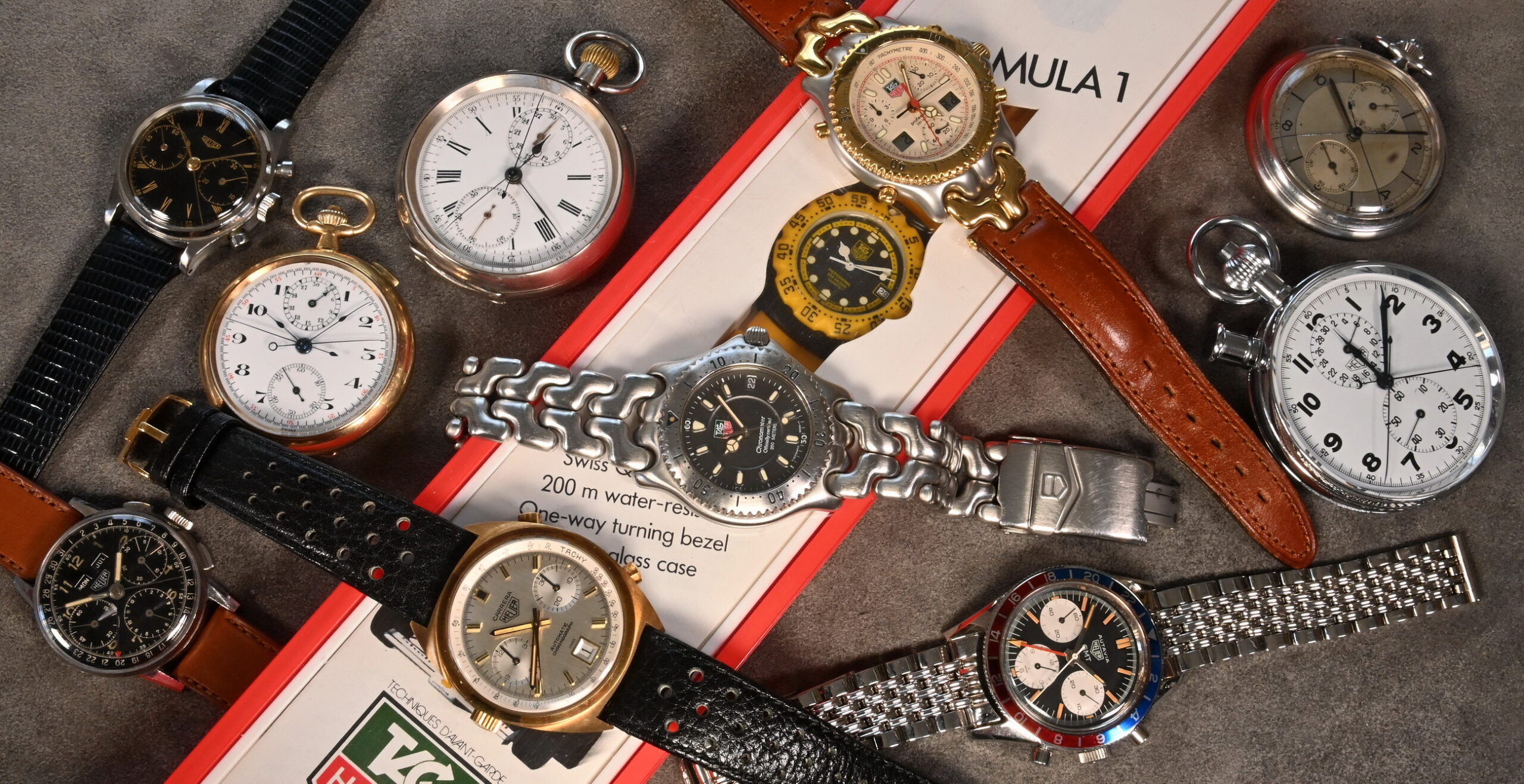
It was a New Year’s tradition back in the days of the discussion forums. Collectors would publish detailed postings describing the watches they acquired during the preceding year, the near misses, the ones they had sold, their “Most Wanted” watches for the coming year, etc. For 2025, I’m going to take a simpler approach, describing my most interesting new arrivals of 2005 and following that with some “lessons learned” or advice as we move into 2026.
New Additions in 2025 — Four Categories
I would divide my most interesting acquisitions of 2025 into four categories —
- Heuer Pocket Chronographs -– Want to hear something really strange? During 2025, I bought more chronographs for the pocket (or hand) than for the wrist. Yes, it was the year of the pocket chronograph.
- Vintage Heuer Wrist Chronographs — We’ll divide these between the ones that the community calls the “grails” and the ones that have become my personal favorites.
- Early TAG Heuer Formula 1 Watches — TAG Heuer resumed its role as the Official Timekeeper of Formula 1 and introduced a re-issue of its first Formula 1 watches. Many of us came to appreciate these early Formula 1 watches, and their abundance in today’s market.
- TAG Heuer Watches Worn by Ayrton Senna — With TAG Heuer back in Formula 1, we did a deep dive into the watches worn by three-time World Champion Ayrton Senna, including the TAG Heuer models that he wore from 1989 and 1994.
I acquired a handful of non-Heuer timepieces during 2025, but we’ll limit this posting to the Heuer timepieces.
More Chronographs for the Pocket than for the Wrist
I counted them twice, just to be sure — over the course of 2025, I purchased more pocket (handheld) chronographs than wrist chronographs, definitely a first in my collecting career. And there’s an easy explanation.
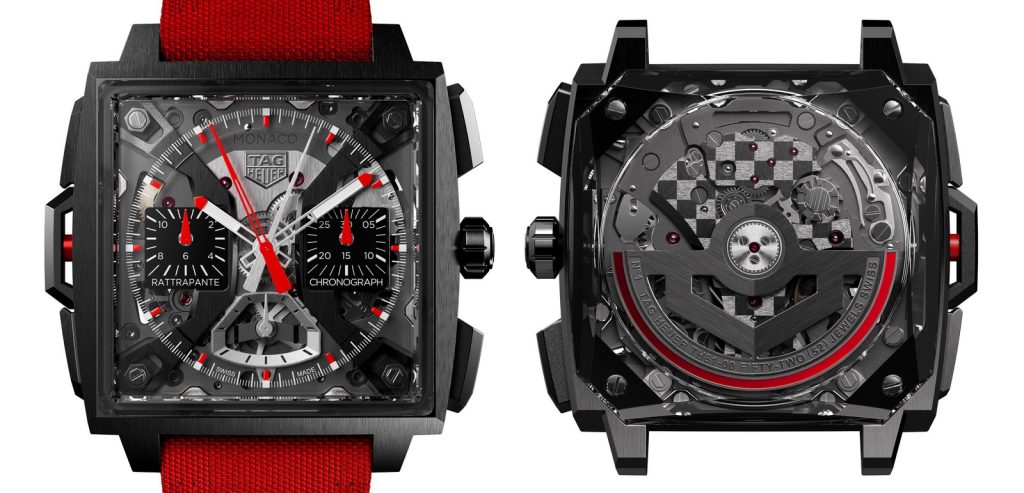
It all started in March 2024, when TAG Heuer introduced its first wrist chronograph with the split-second (rattrapante) complication, the Monaco Split-Seconds Chronograph.
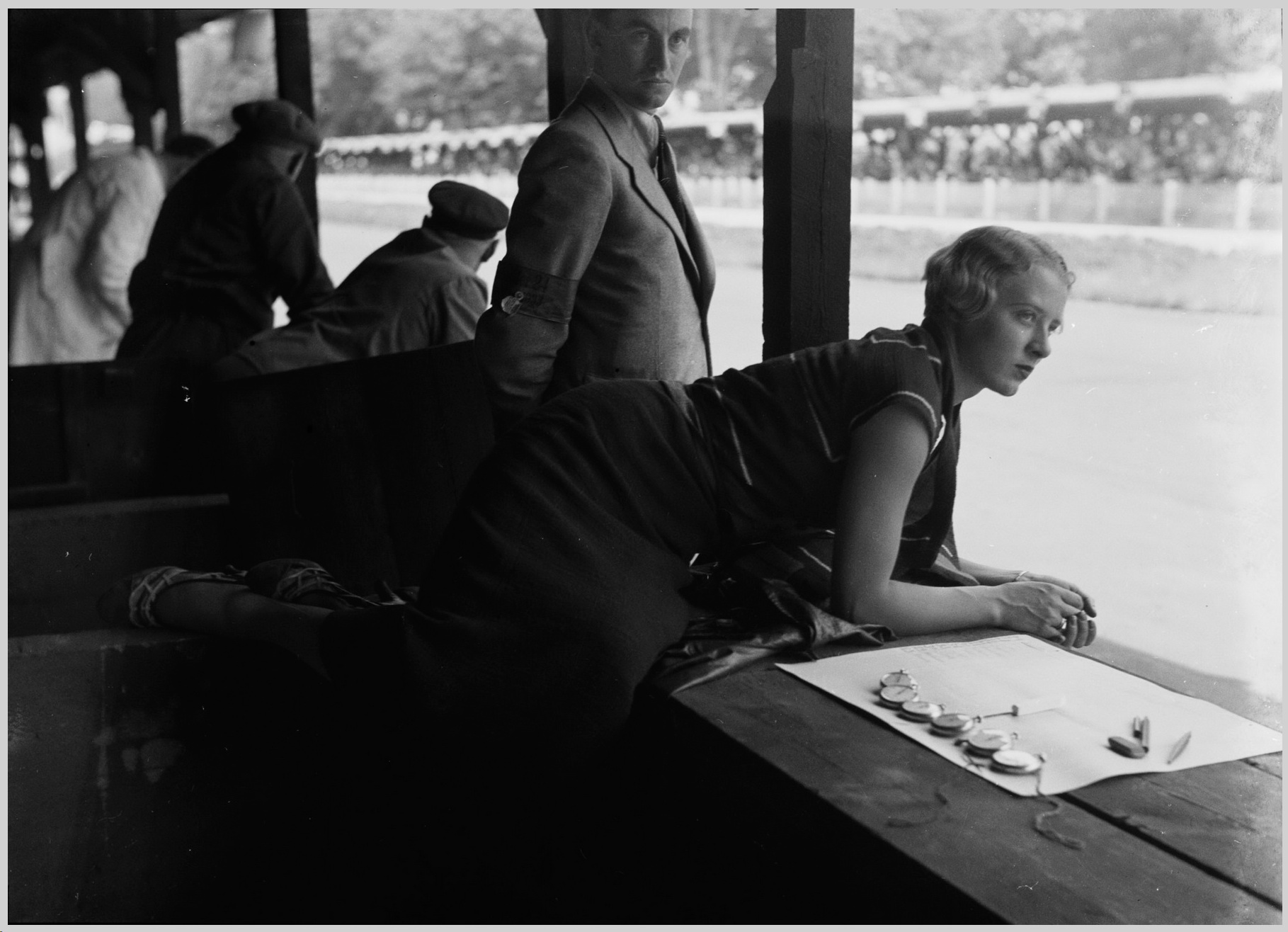
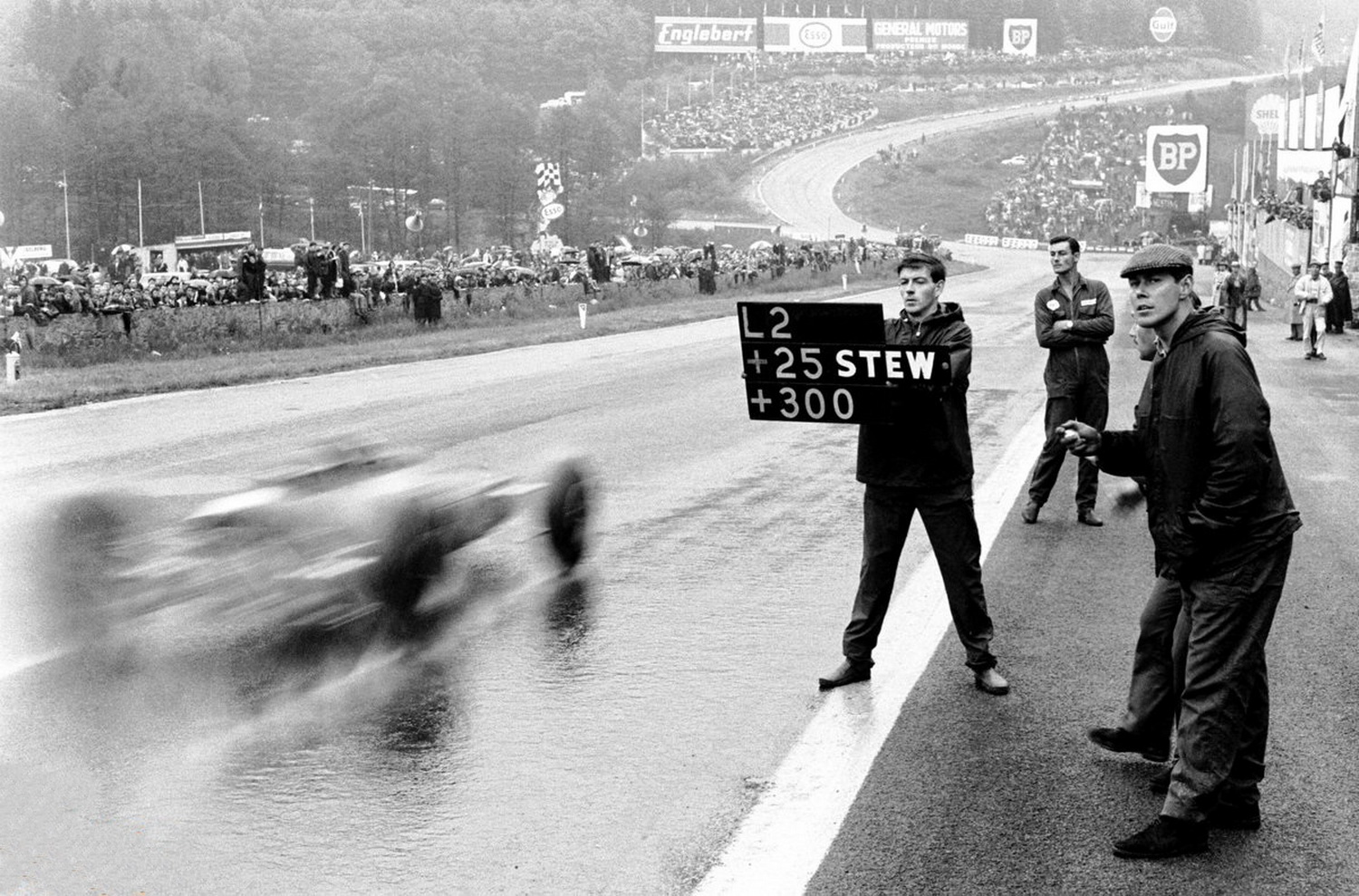
As I began to explore Heuer’s history with pocket chronographs, I realized the importance of these timepieces in timing races and rallies. Study the photos of team members timing the racers, and you quickly realize that they were using handheld stopwatches and chronographs, rather than wristwatches.
There is a progression in the complexity and usefulness of the handheld timepieces, as we move from stopwatches, to chronographs, to rattrapante chronographs. Indeed, the split-second (rattrapante) feature is described as the “queen of complications” for chronographs.
Compared with the wristwatch, the handheld timepiece offers several advantages. First, the larger size of the handheld timers – typically measuring 50 to 57 millimeters across the dial, with some even larger – provided far greater legibility than any wristwatch can deliver. Second, operating a wrist chronograph requires two hands (or wrists) – one to wear the watch and the other to operate the chronograph. A handheld stopwatch or chronograph can be operated with one hand, leaving the other hand free to write down times or hold a clipboard.
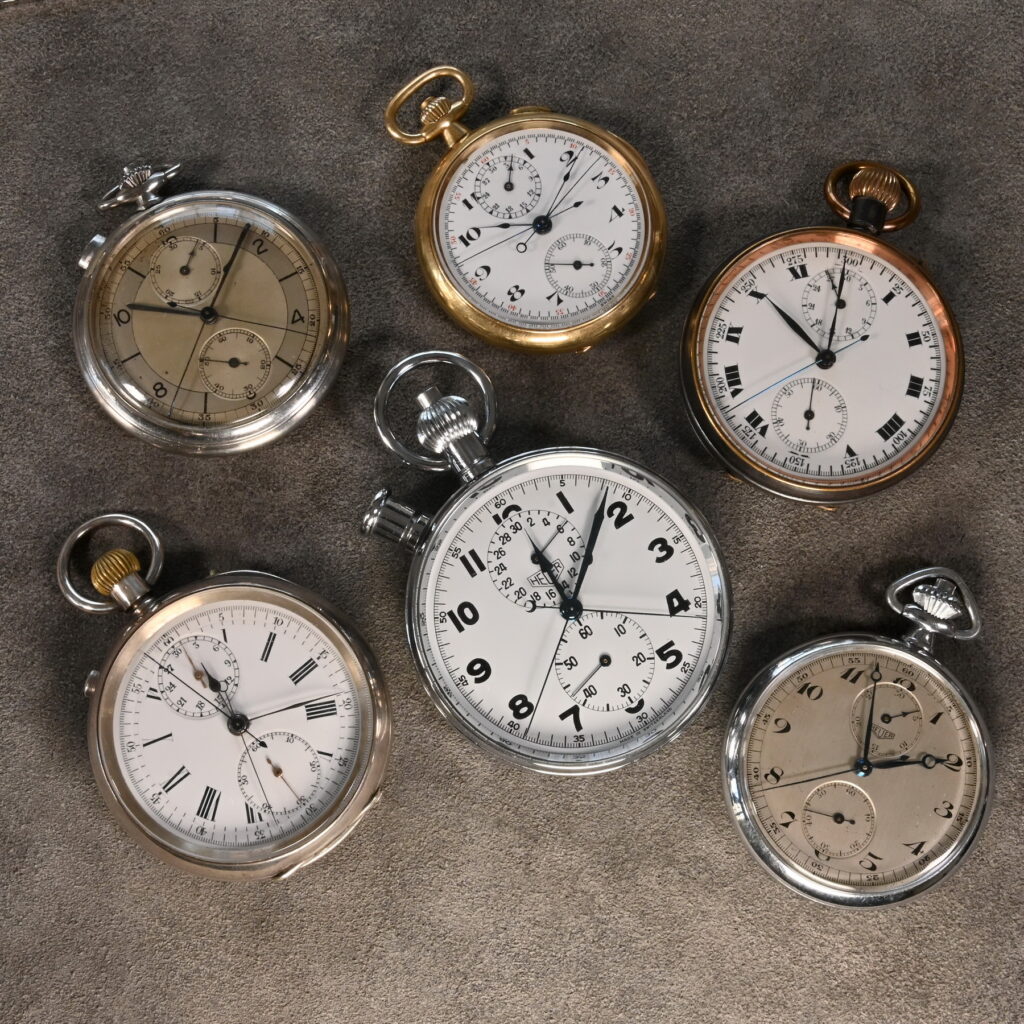
One of my objectives during 2025 was to understand the development of Heuer’s pocket chronographs over the period from 1900 into the 1970s. I sought to understand the progression of styles, from elegant, sculpted gold and sterling silver models carried by ladies and gentlemen circa 1900, to the high-performance technical instruments that teams used in the 1960s through 1970s. I remain fascinated by the progression of materials, sizes, colors, typefaces and movements.
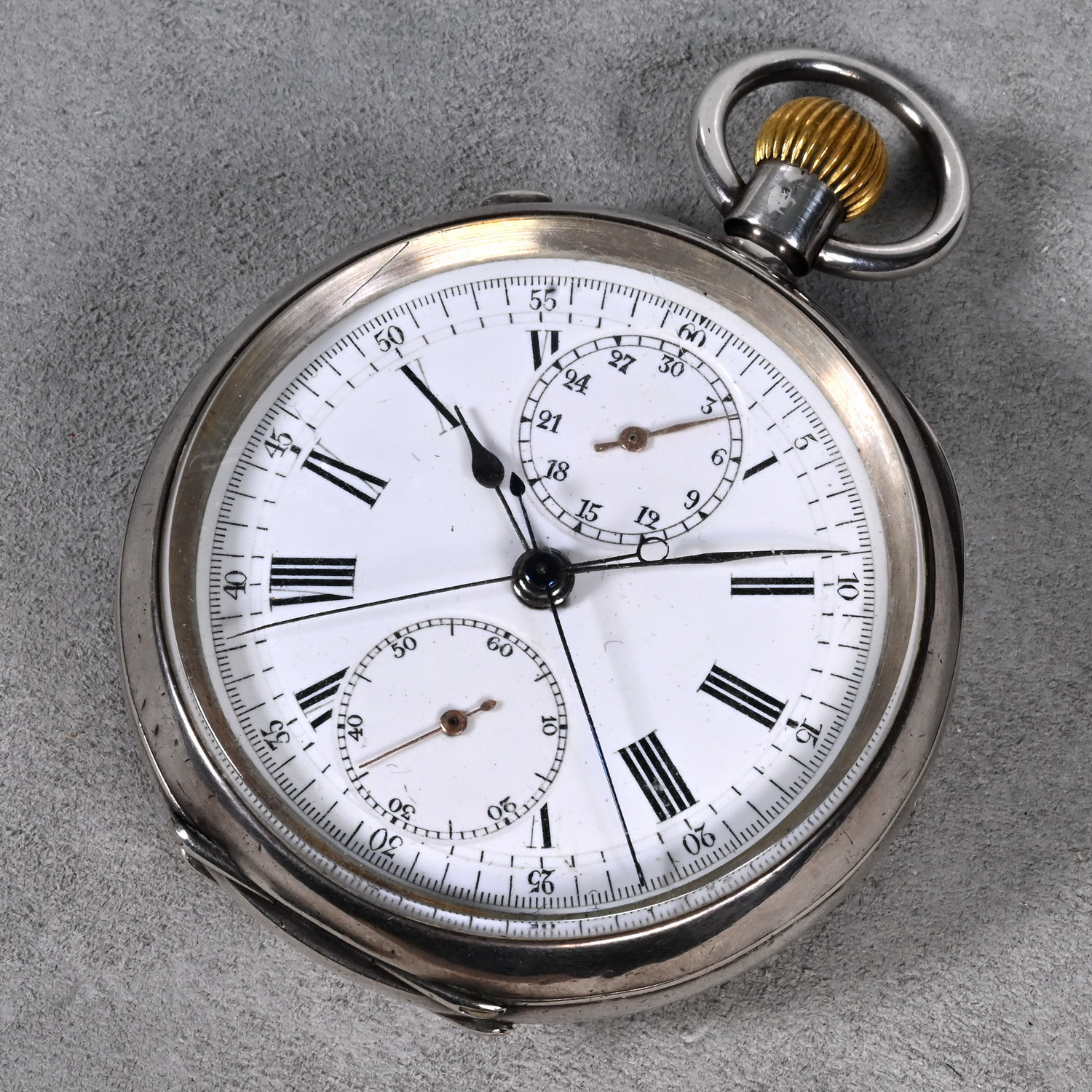
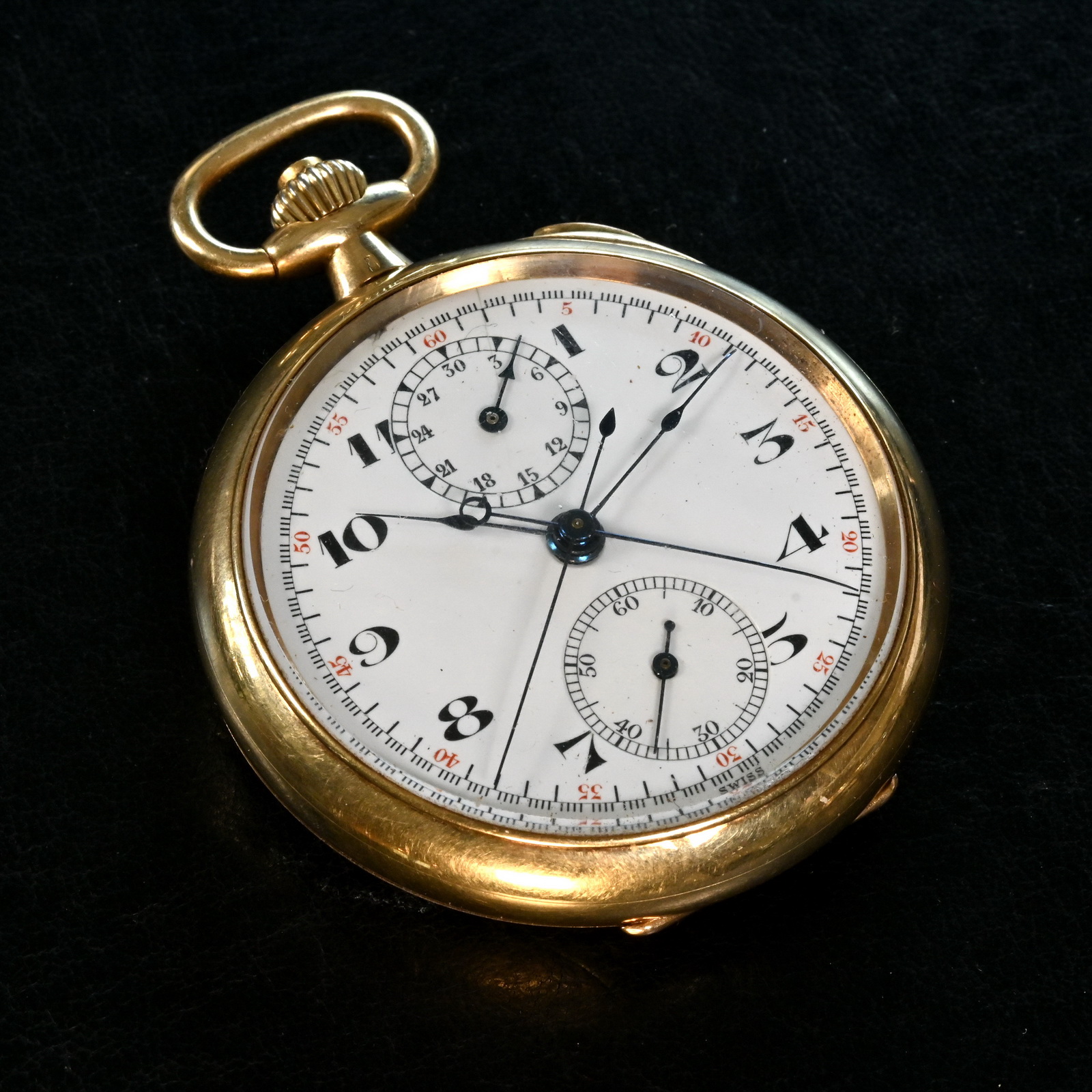
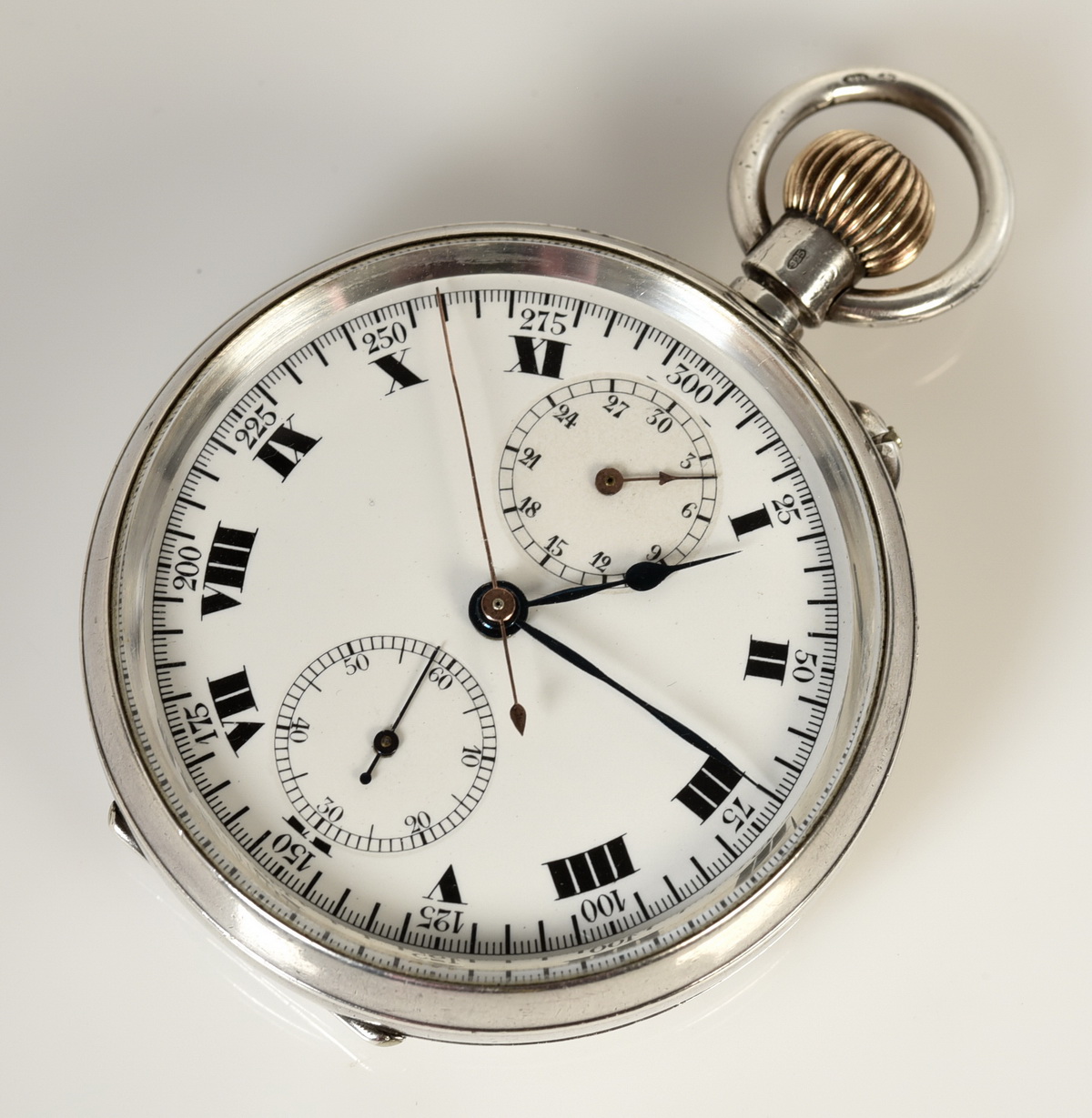
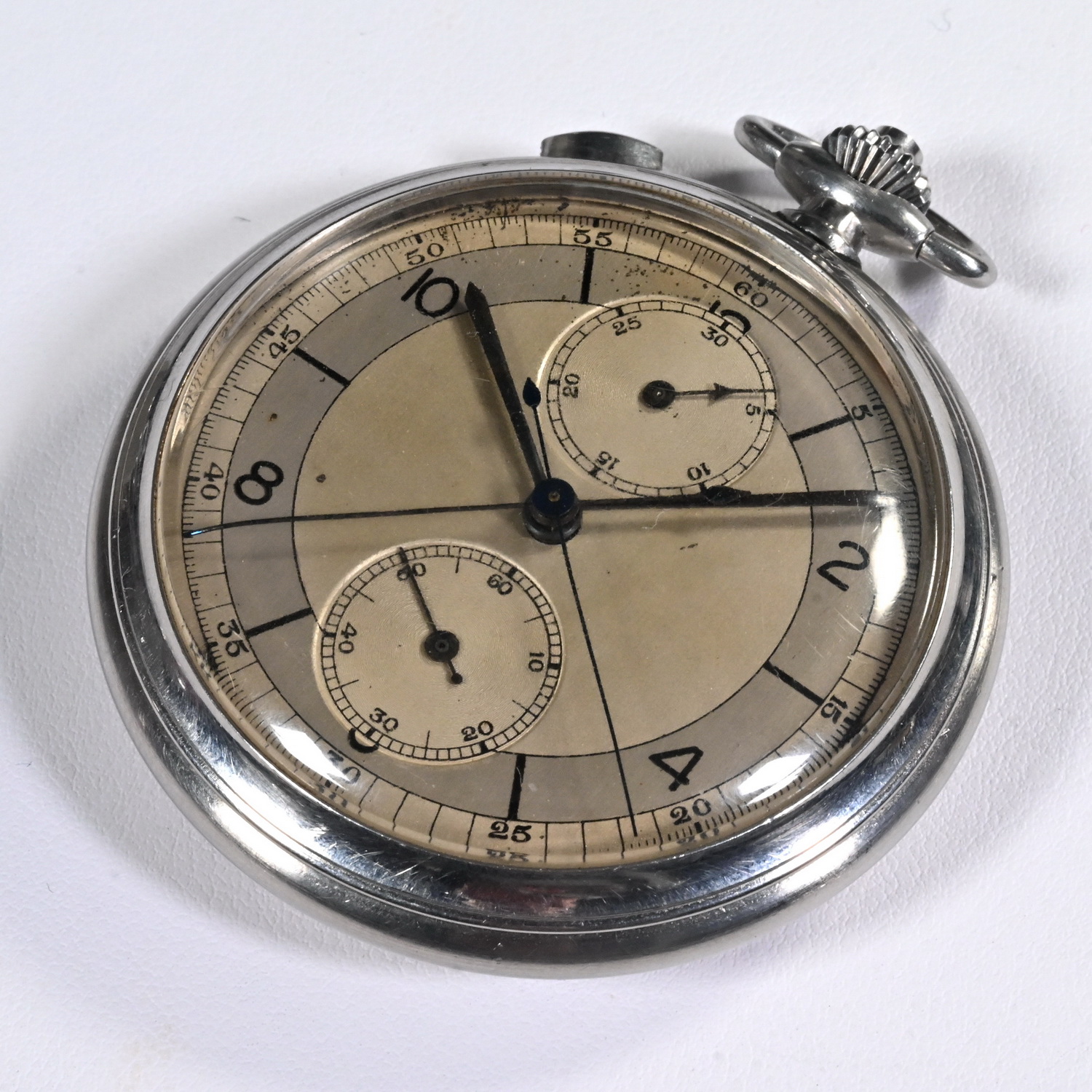
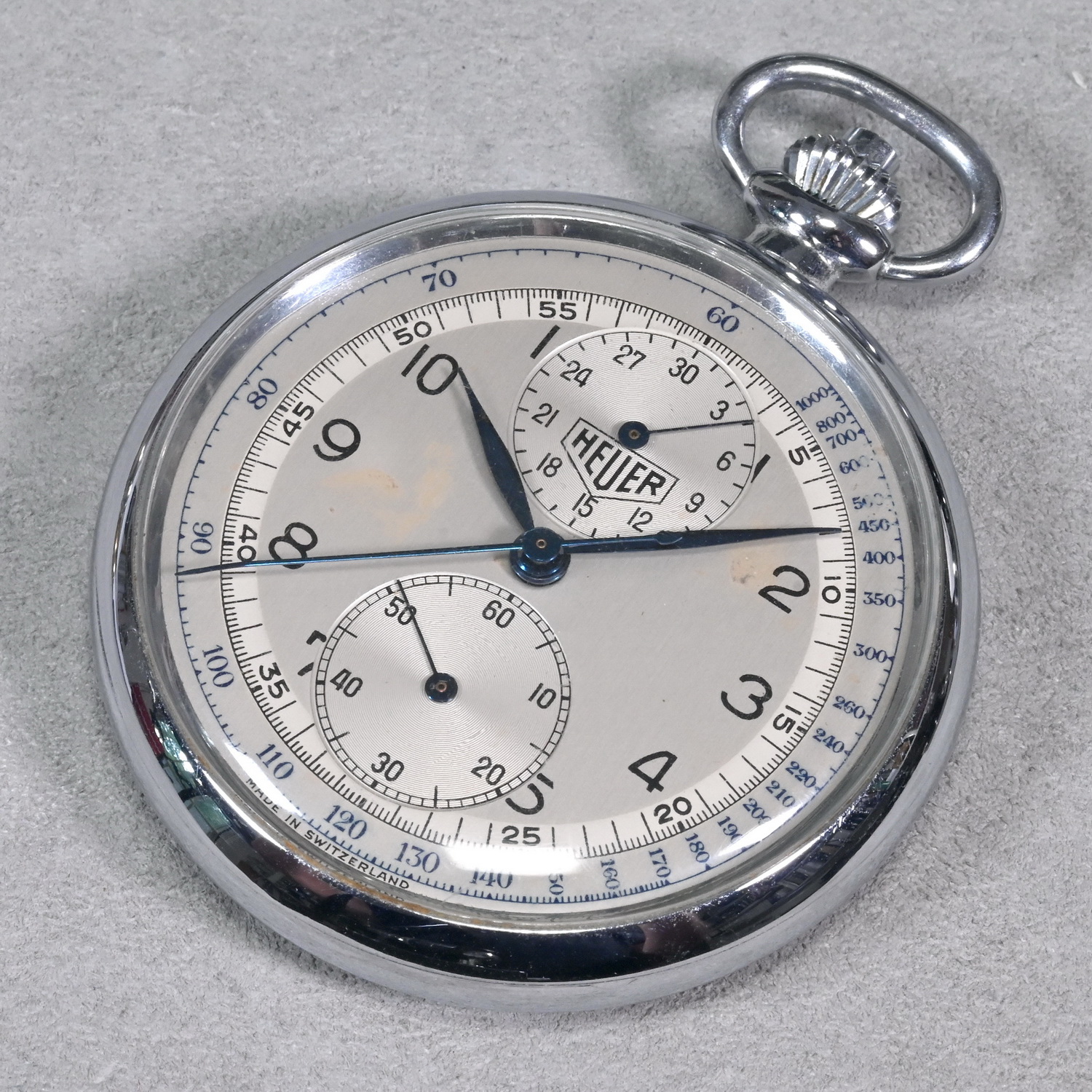
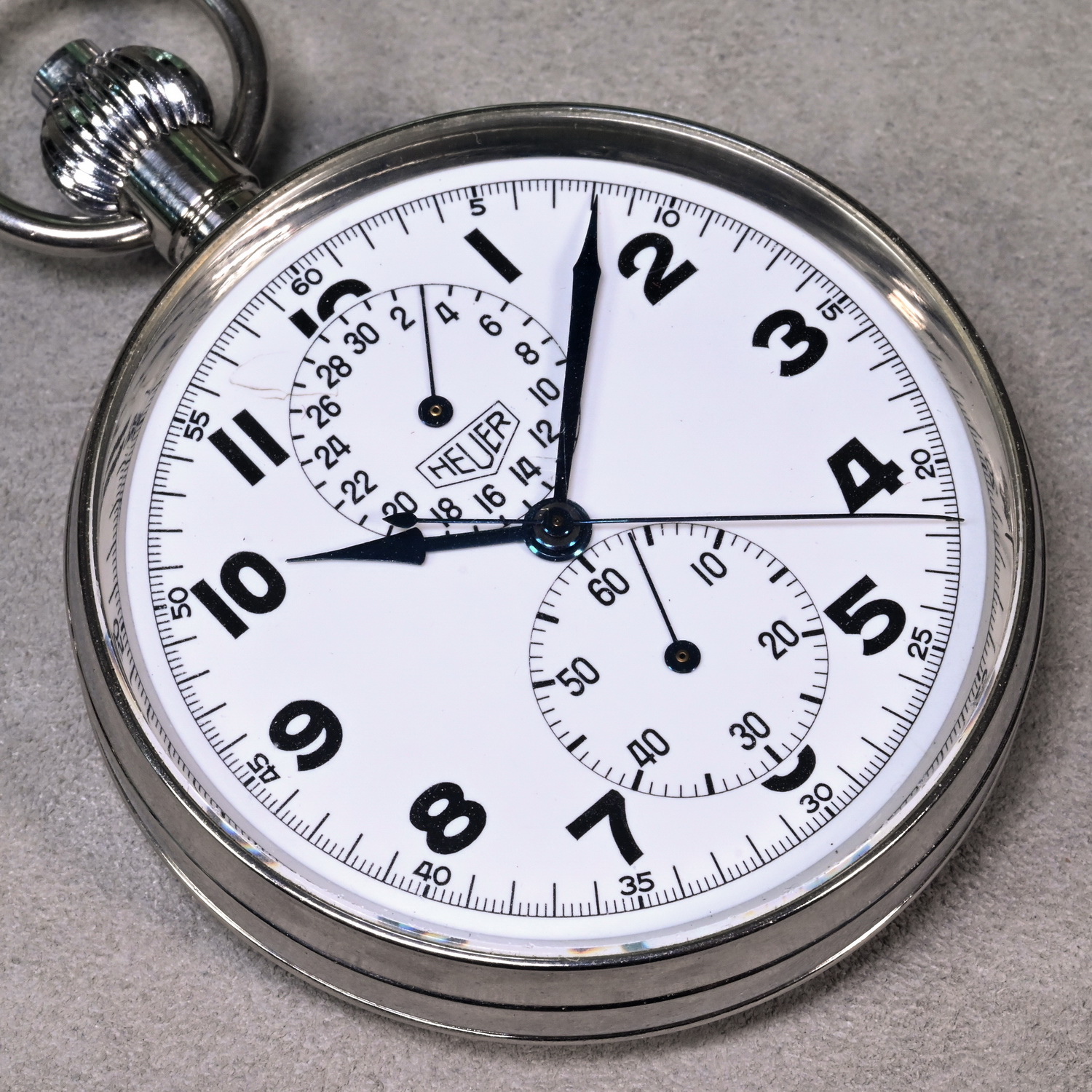
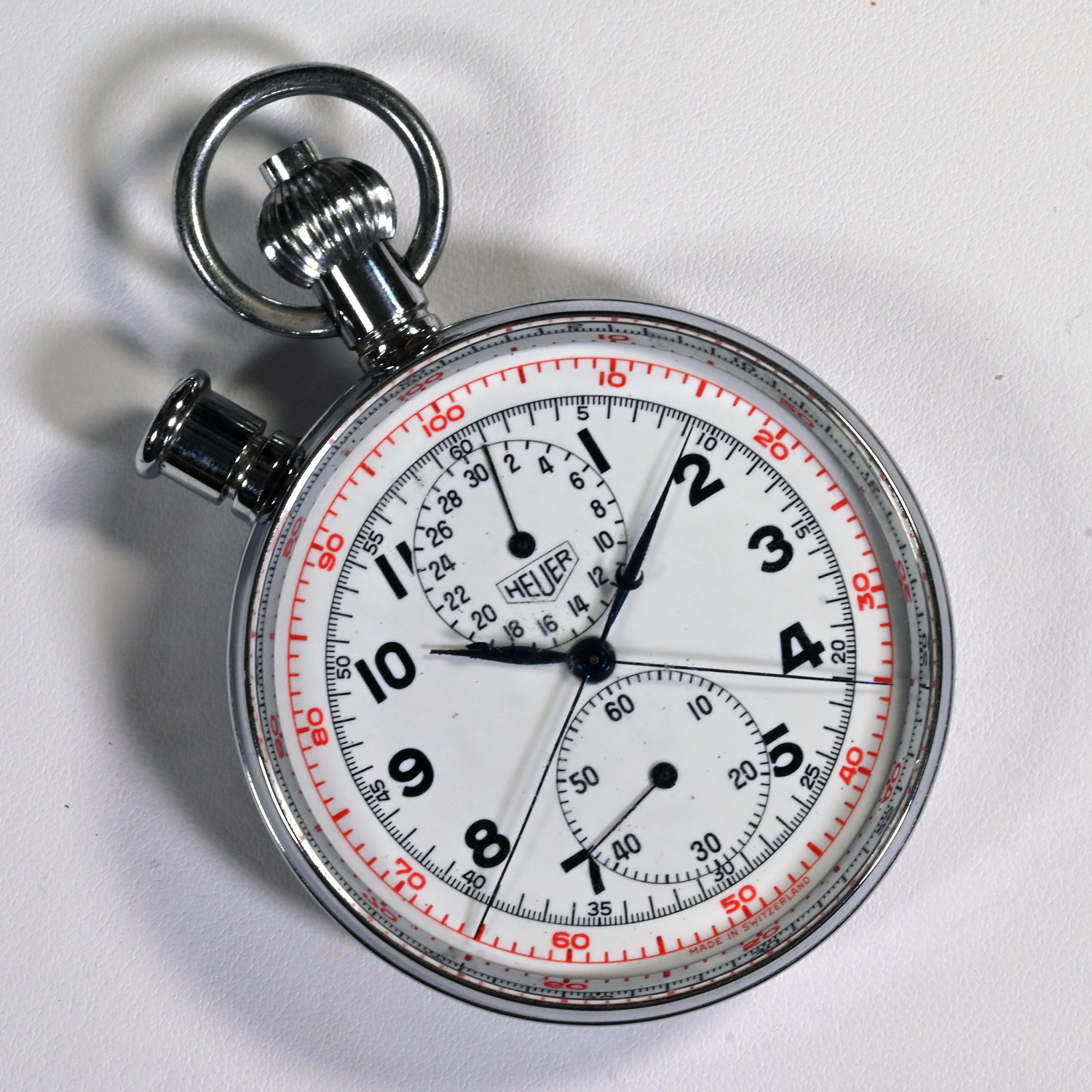

Many of today’s watch brands claim to own specific sectors of the watch market — diving, military, flying, space exploration, etc. TAG Heuer can claim absolute ownership of the racetrack, whether in the cars, the pits or in the timing and scoring room. From the first auto races circa 1910 through the advent of electronic timing, this timing was done with pocket (handheld) timepieces.
Vintage Heuer Chronographs — Two Grails; Three Gilt
I have been collecting vintage Heuer chronographs for 25 years, and my current “Wanted List” of these chronographs is relatively short. I would divide this list into two main categories – the watches that the community of collectors regard as “grails” and the types of watches that have become my personal favorites. Yes, the “grails” are forever, and the consensus on these watches is slow to change, but the list of my personal grails can shift like the wind, and this is one of the things that keeps this hobby interesting over the years.
In May 2020, I published a posting identifying the “grails” of the vintage Heuer world — Vintage Heuer — Chasing the Grails. We started with a definition of “what is a grail?” and proceeded to develop a list of 16 vintage Heuer grails.

- Three Register, Black Chronograph, Waterproof — Ref 2447 N (1940s / 50s)
- Triple Calendar Chronograph, Waterproof – Ref 2547 (1940s / 50s)
- The “Big Subs” Autavias — Ref 2446 and 3646 (1962)
- Abercrombie & Fitch Seafarer, in Carrera Case — Ref 2447 (1965)
- “Yachting” Carrera — Ref 2447 (1964)
- Black Tachymeter Carrera – Ref 2447 NT (1965)
- The Chronographs with Racing Logos — Shelby, Ferrari, AutoWeek, etc.
- The “Skipperrera” — Ref 7754 (1968)
- Autavia Ref 2446 GMT – Screw-back Model (1967)
- Camaro 18 Karat Gold – Ref 7228 (1968)
- Carrera, Three Register Panda – Ref 2447 SN (1968)
- The Chronomatics — Autavia, Carrera and Monaco (1969)
- Carrera, 18 Karat Gold Automatic — Ref 1158 (1969 to 1985)
- “Exotic” Autavia — Ref 1563 (1972)
- Yachting Carrera — Ref 1153 BN (1974)
- Monaco in Black-Coated Case (the “Dark Lord”) — Ref 74033N (1975)
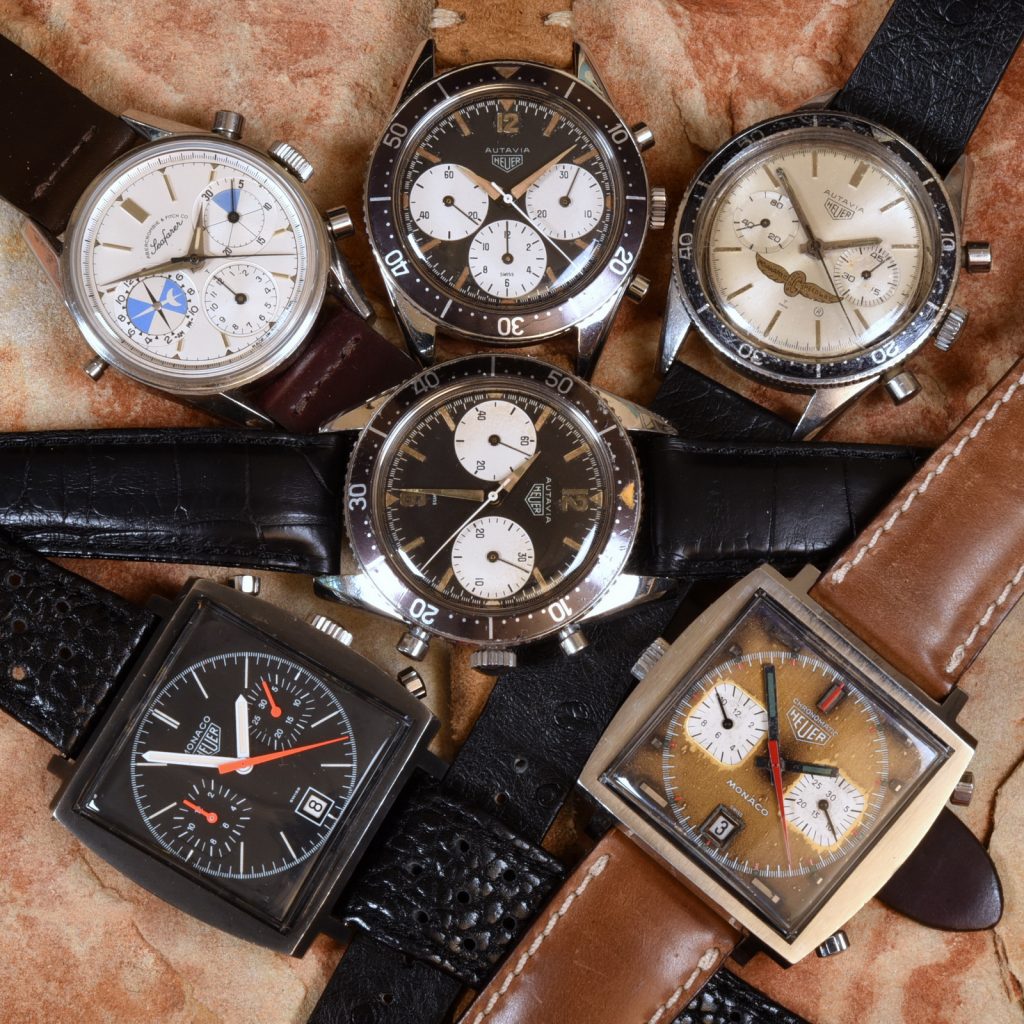
Five and one-half years later, this list of the 16 grails still feels about right, although there may be a couple that are currently less popular, while we can also make the case for a couple of additions to the list.
Two Grails — Autavia Ref 2446 GMT (Screw-Back Case) and 18 Karat Gold Carrera (Ref 1158S)
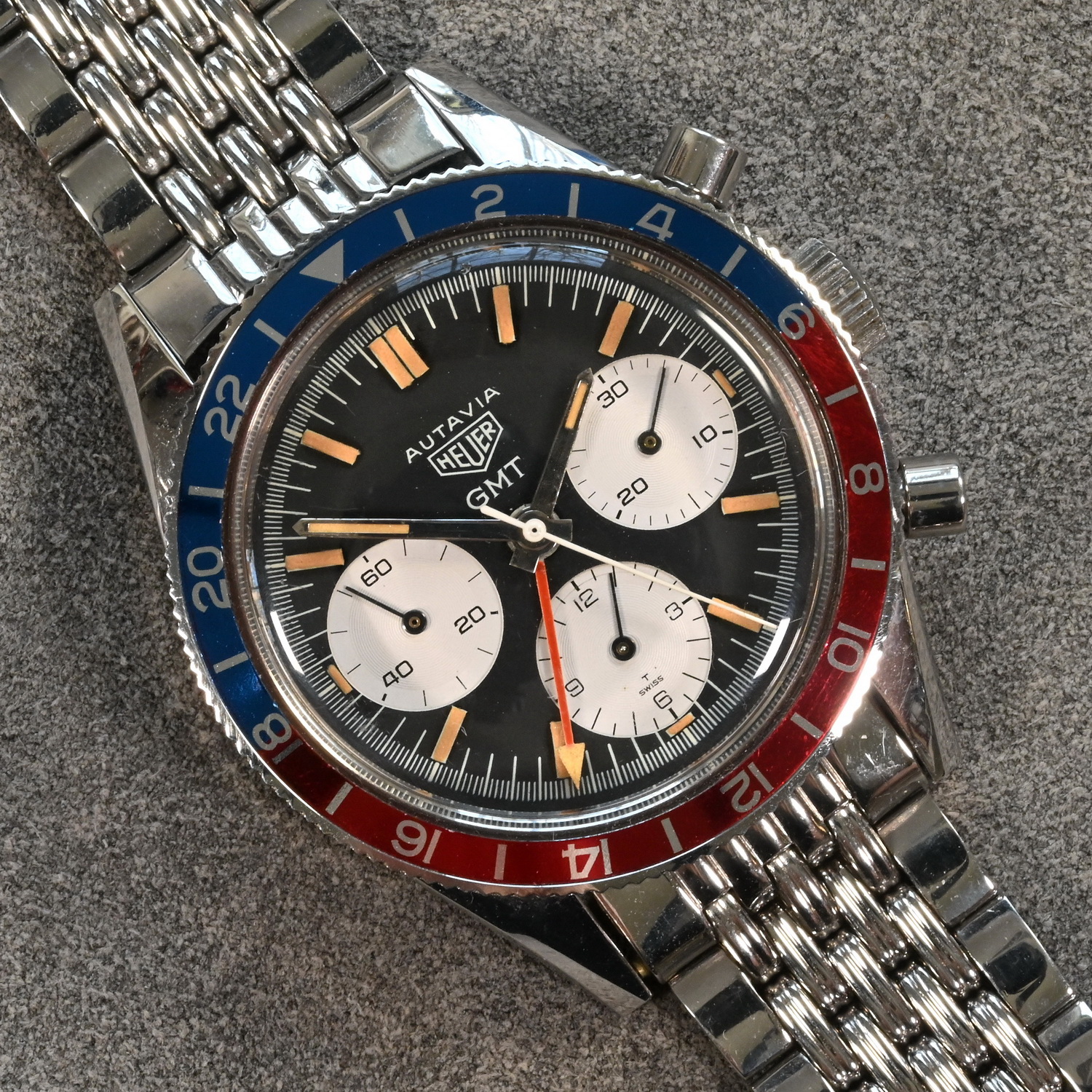
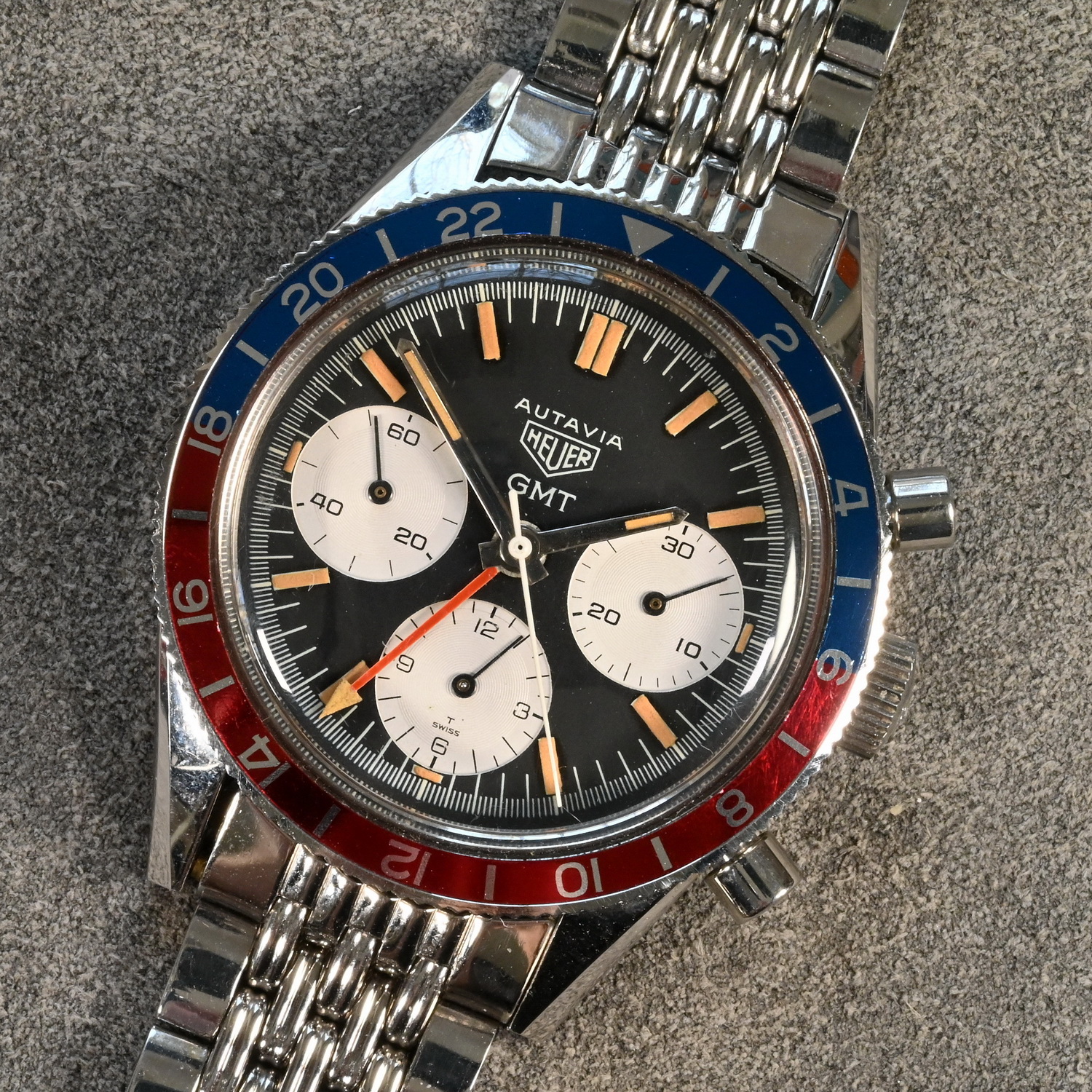
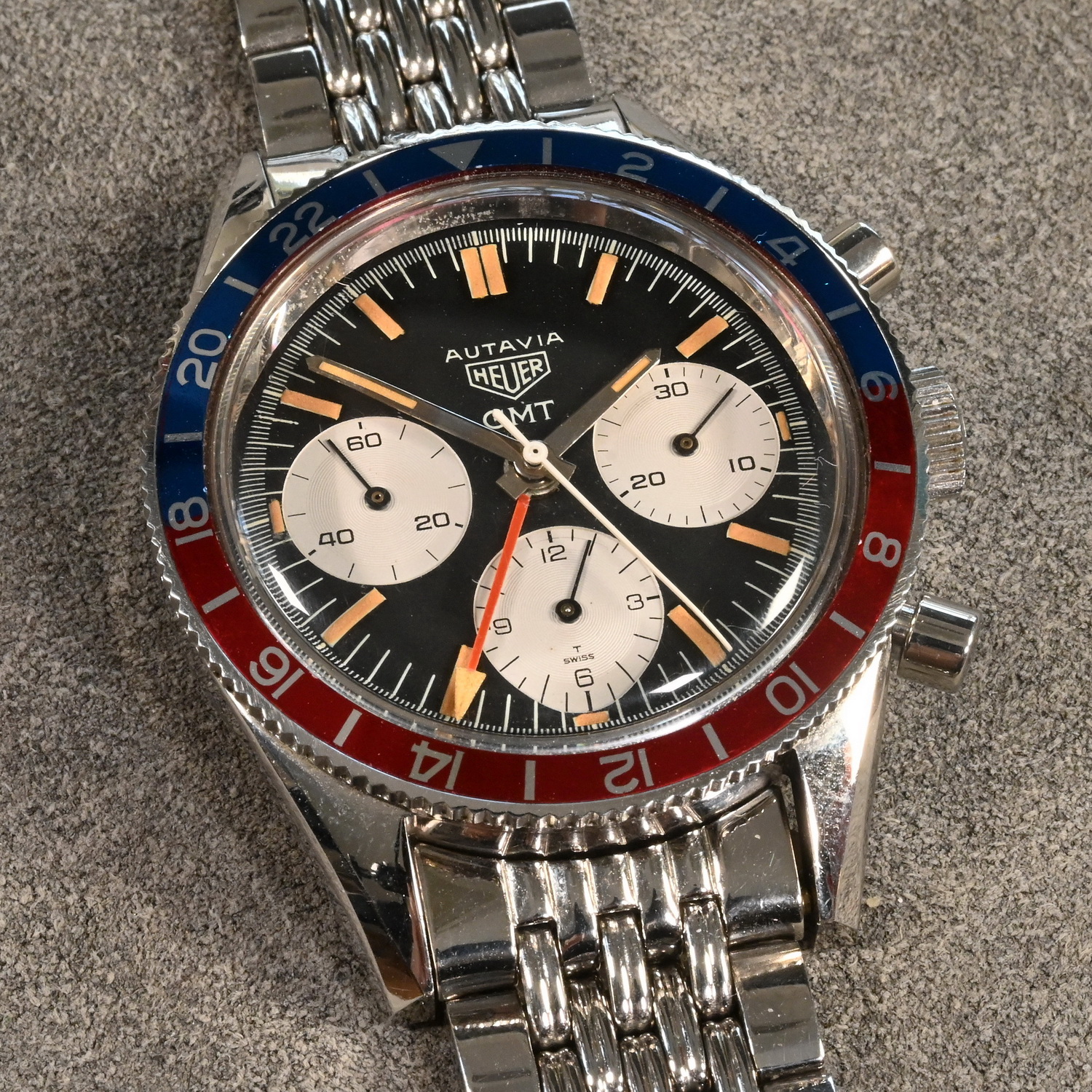
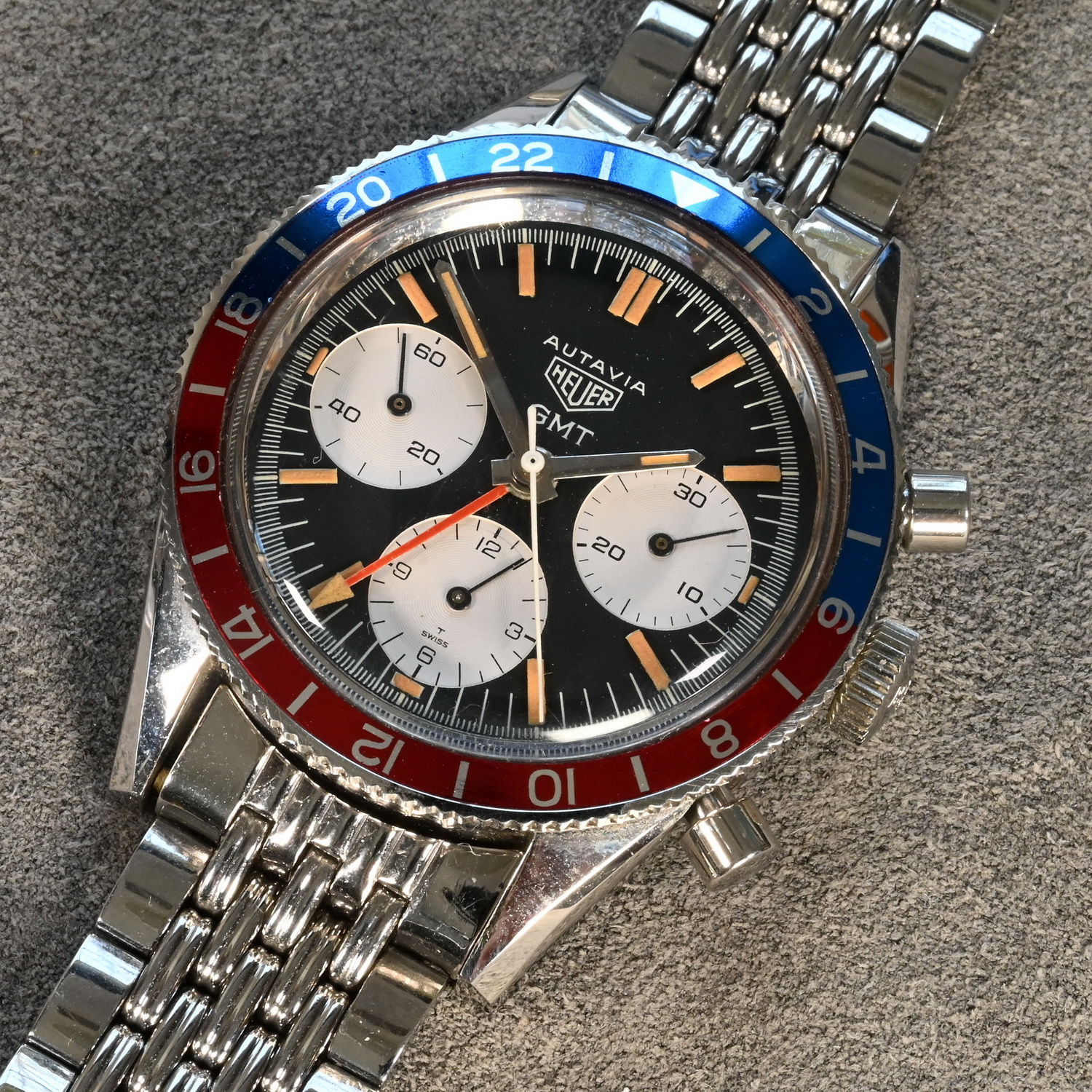
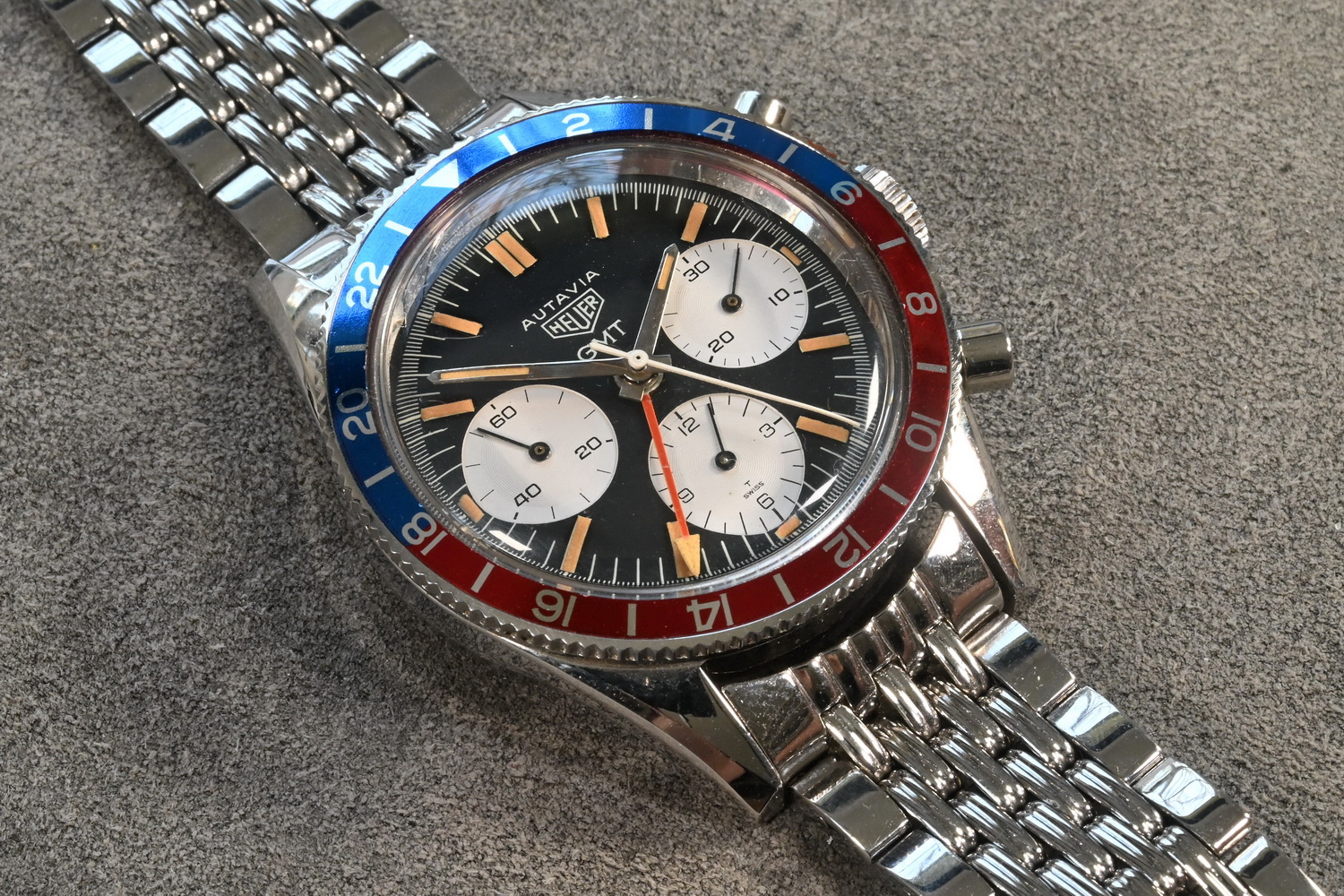
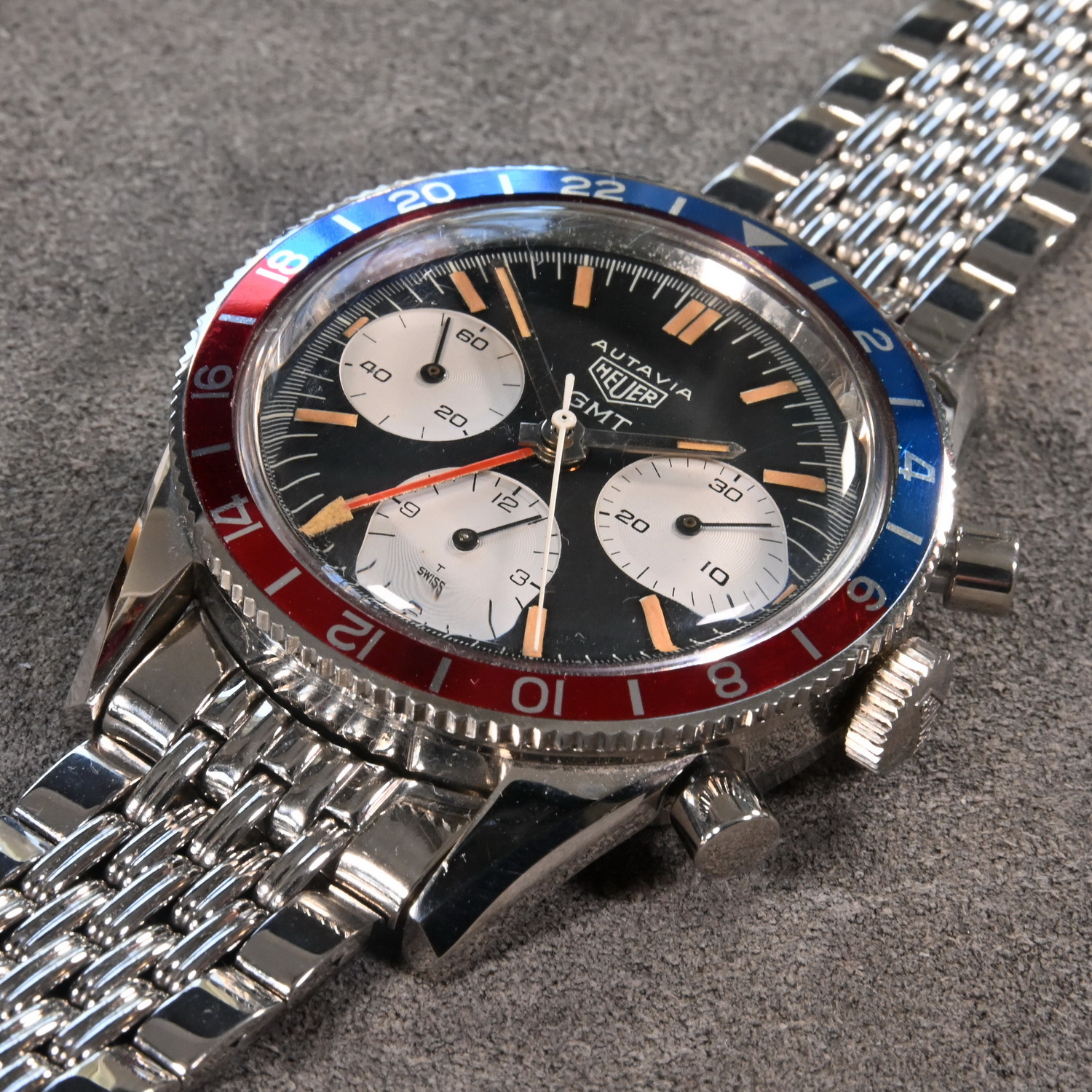
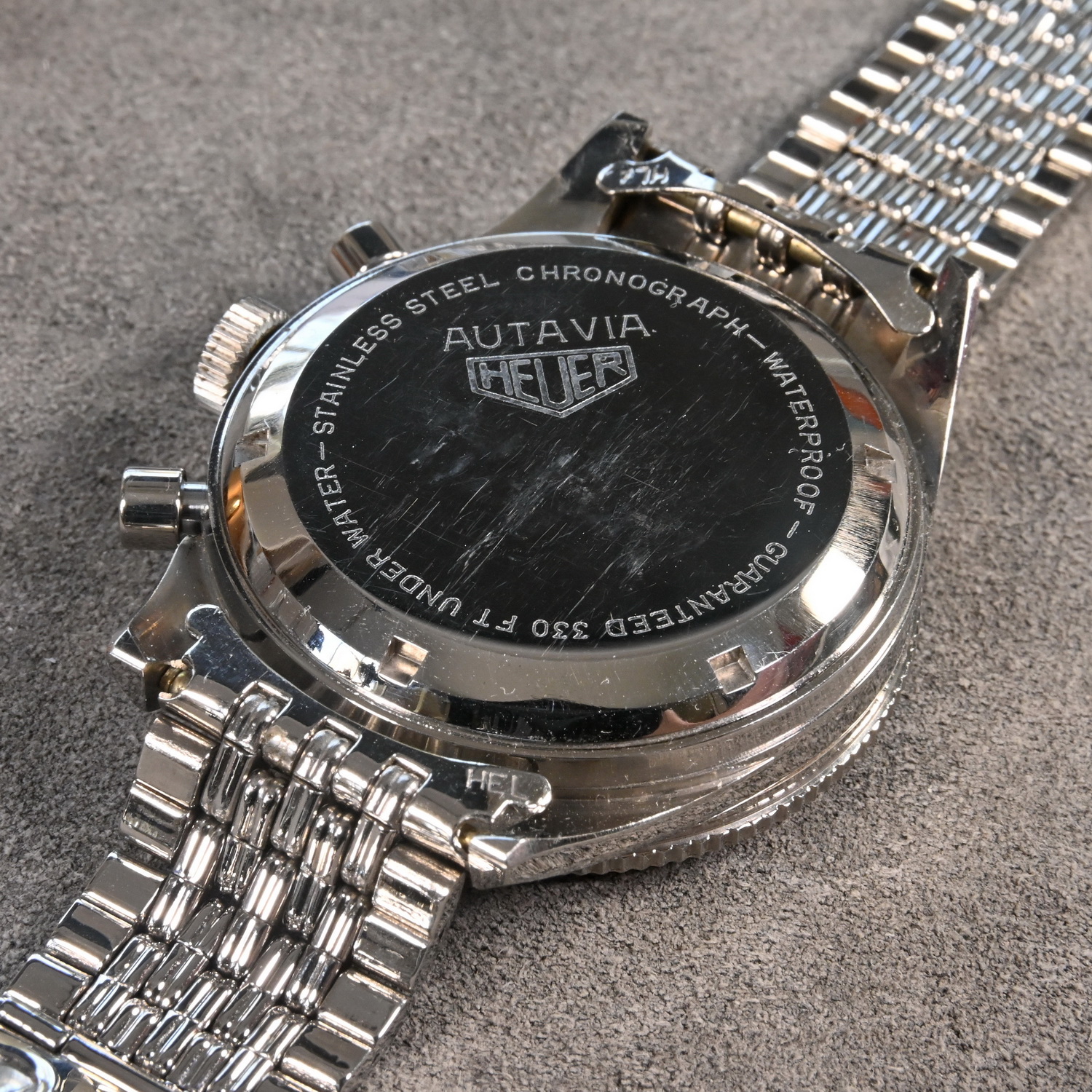
I am thrilled to have acquired two of these vintage Heuer grails during 2025, the Autavia Reference 2446 GMT (first execution, with a screw-back case) and the 18 karat gold Carrera (Reference 1158S).
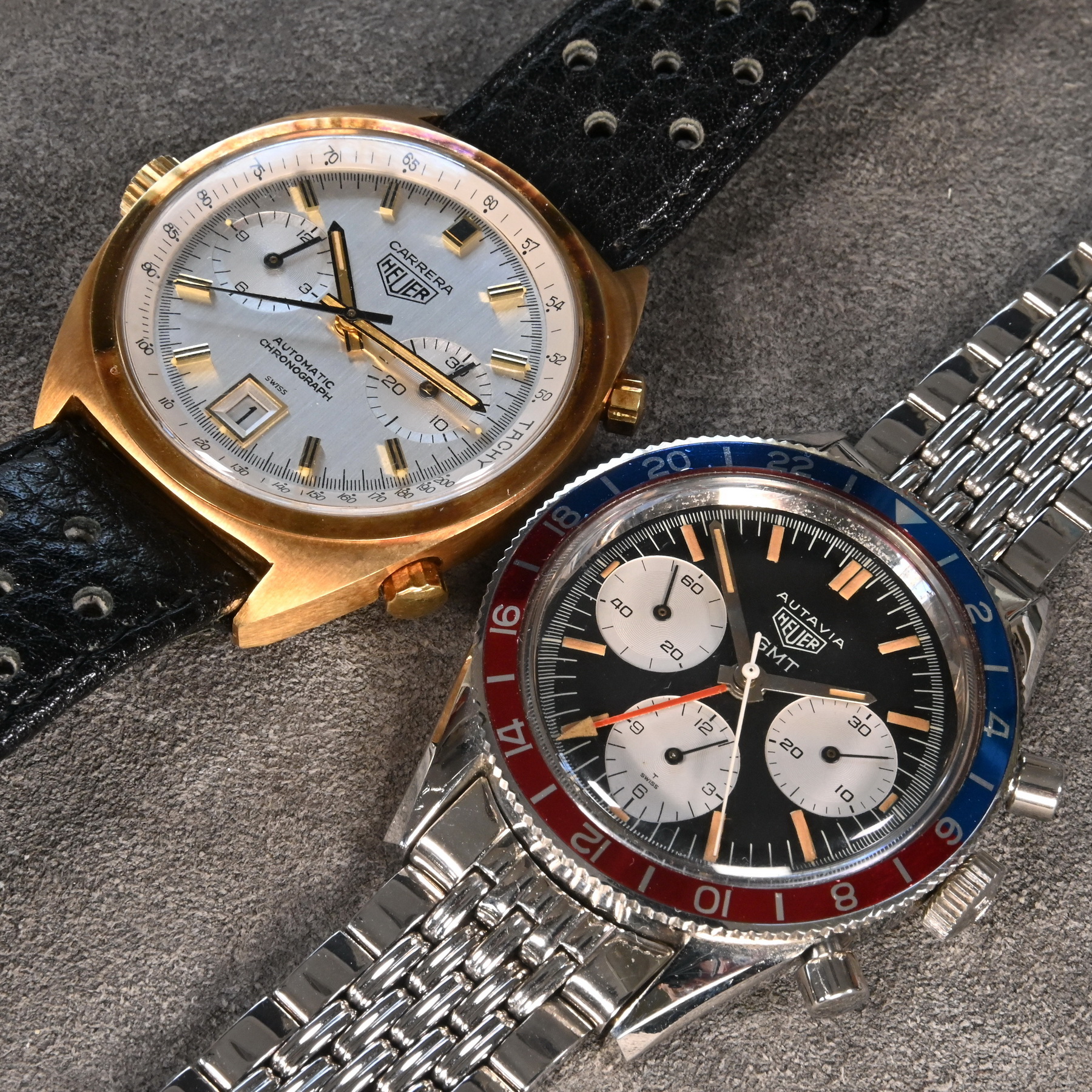
Heuer produced approximately 12 versions of the Autavia GMT chronograph over the years 1967 through 1984, and over the years I have owned all of them, except for one – the first execution from 1967. It wasn’t from my lack of trying, but this is a super rare model and the ones that I pursued always seemed to slip away.
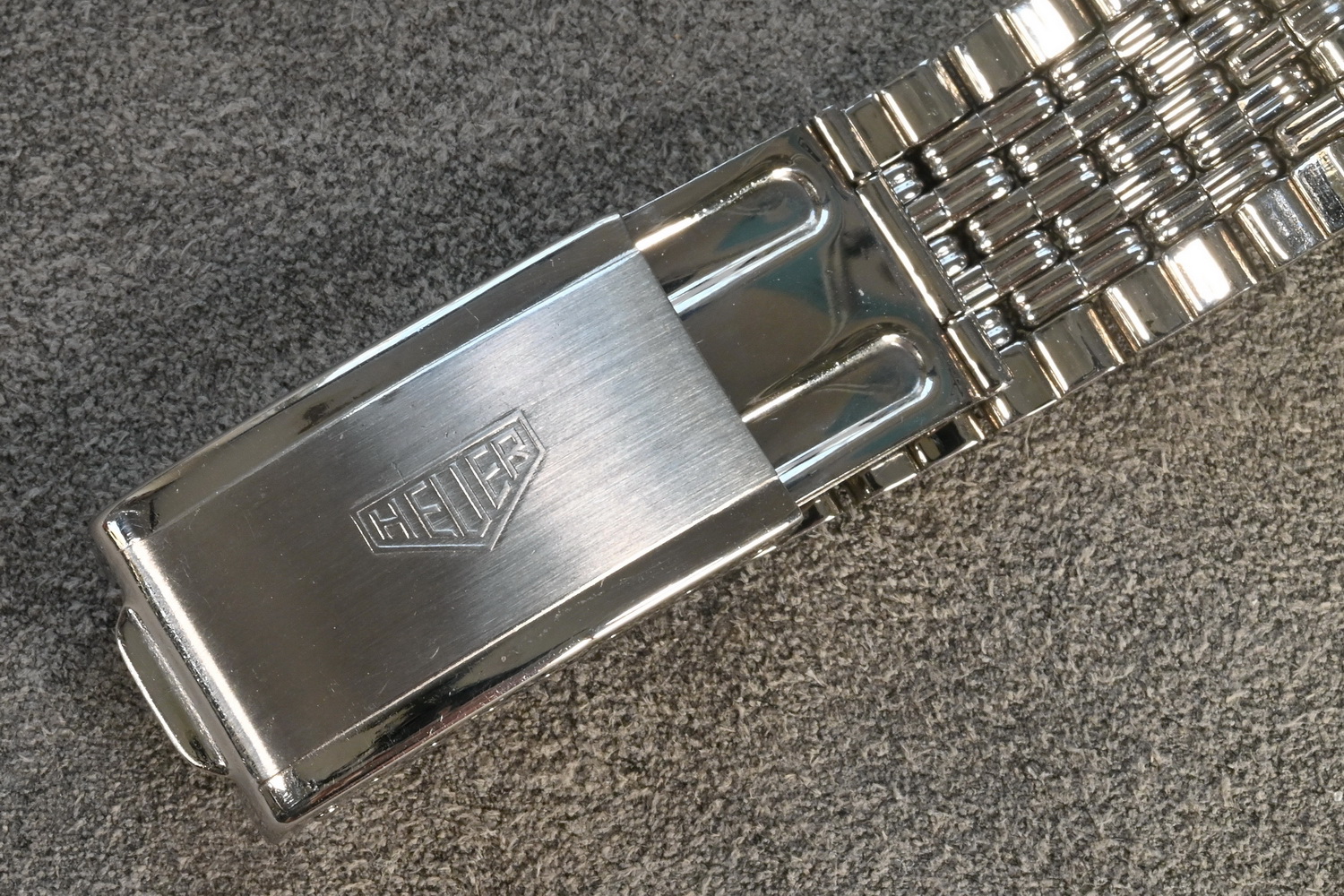
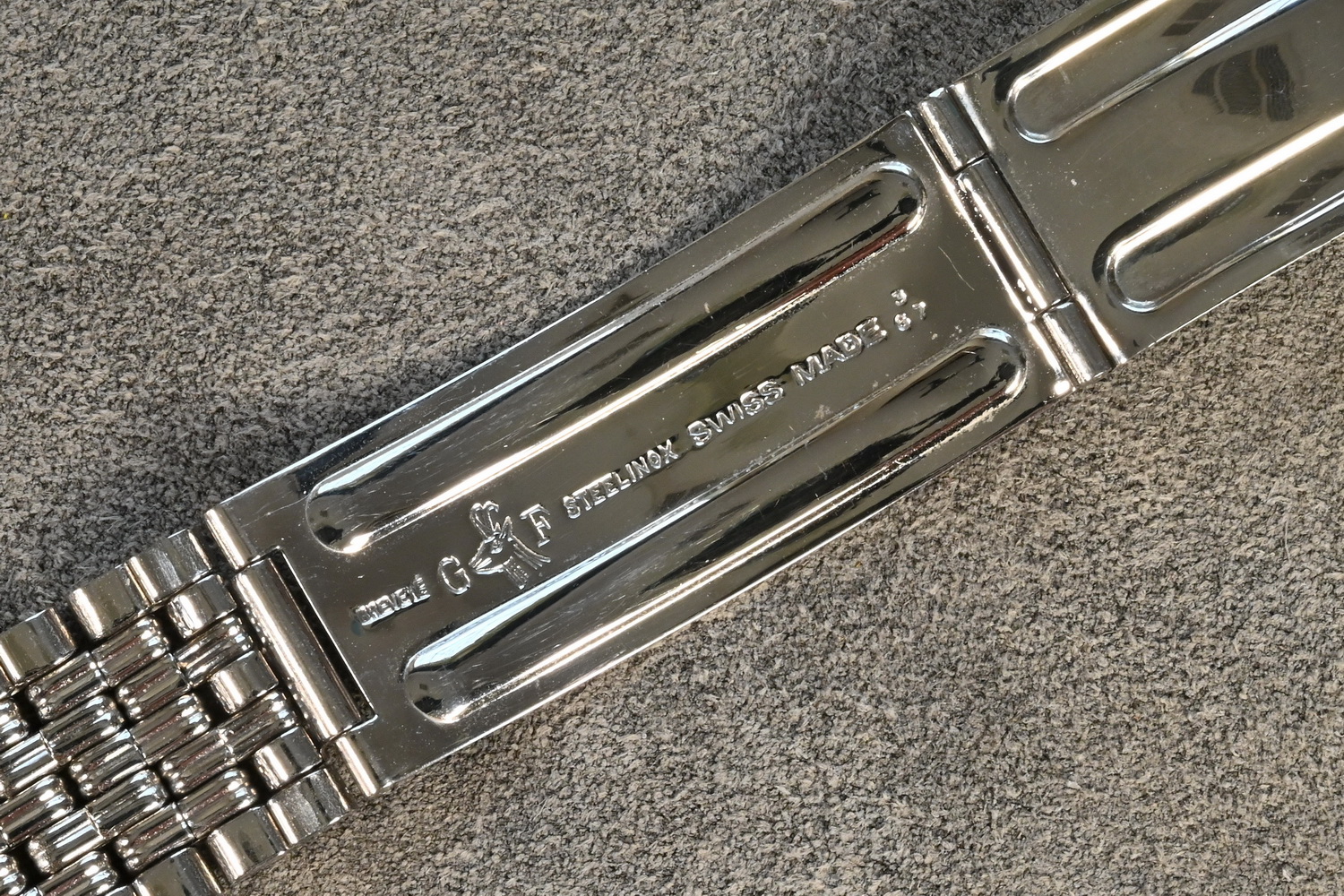
Having finally acquired one of these watches in 2025, I can say that it was worth the wait. This one is in near mint condition and on the original bracelet; has brilliant colors on the bezel and dial; and even came with the original store receipt (from December 1967). The screw-back Autavias from the 1960s have always been my favorite Heuer chronographs, and the GMT complication makes this one extra special.
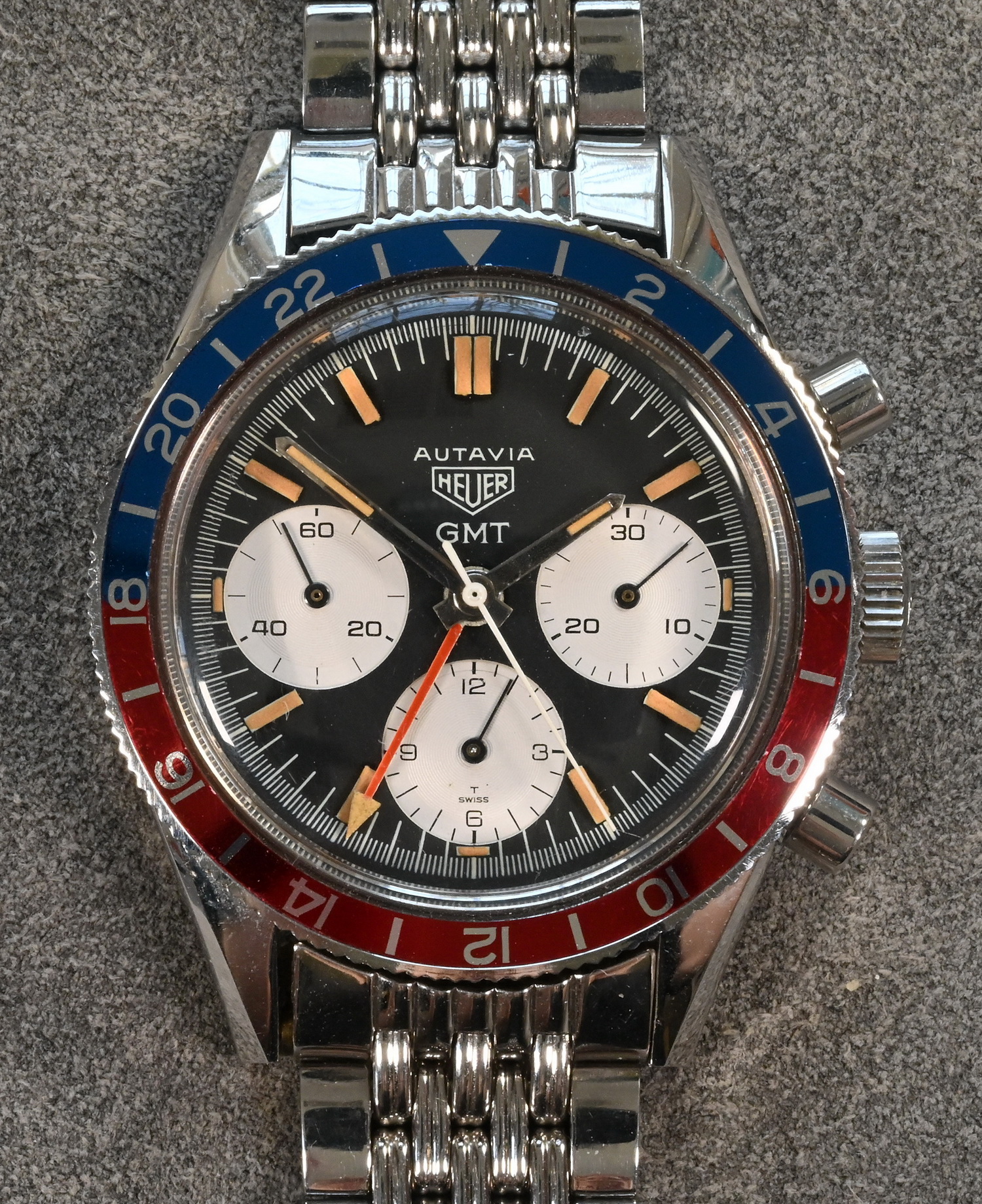


The Carrera reference 1158 (18 karat gold automatic model) feels like something of a “club watch” in the community of Heuer collectors — those who own a reference 1158 chronograph are in the club and those who don’t own one have to watch from a distance. I acquired my first reference 1158 Carrera in 2010, made the silly mistake of selling it in 2017, and quietly began looking for another one almost immediately.


The reference 1158 Carrera that I acquired in 2025 is an “S” model (meaning that it has a silver / white dial), and it seems to have remained in its original box, in a safe, from 1973 until a few months ago. The condition is definitely “near mint”, with tarnish giving the case a rich, warm tone. I published a detailed posting describing how I managed to acquire this watch, about this watch. Ten months later, I’ll report that the watch has been a pleasure to wear.
My Own Grails — Black Gilt Chronographs, 1935 to 1945
Beyond the watches which the community generally regards as the “grails”, I have recently become particularly interested in a category of vintage Heuer chronographs that relatively few collectors are chasing . . . and, yes, I am hoping that it will stay that way!! This category is comprised of the watches that Heuer produced in the decade from 1935 to 1945.
Over these 10 years, Heuer significantly developed its catalog of chronographs, adding many types of models. From a very limited line-up of chronographs in 1935 — featuring the Valjoux 22 and the Landeron 13 movements, in snap-back cases – Heuer would add the three-register movements (Valjoux 71 and 72), the triple calendar chronograph (Valjoux 72C) and an array of waterproof chronographs (references 346, 2406, 2447 and 5406). The line-up developed by 1945 would, in large part, carry the Heuer brand into the 1960s, when the new Autavia, Carrera, Camaro and Monaco models would arrive.
Of all the chronographs that Heuer produced during this decade, I have developed a particular passion for the ones with the black galvanic (gilt) dials. The glossy black paint with the bright polished brass shining through offers a dramatic look. The dials age relatively well, with the galvanic painting process producing a durable black finish.
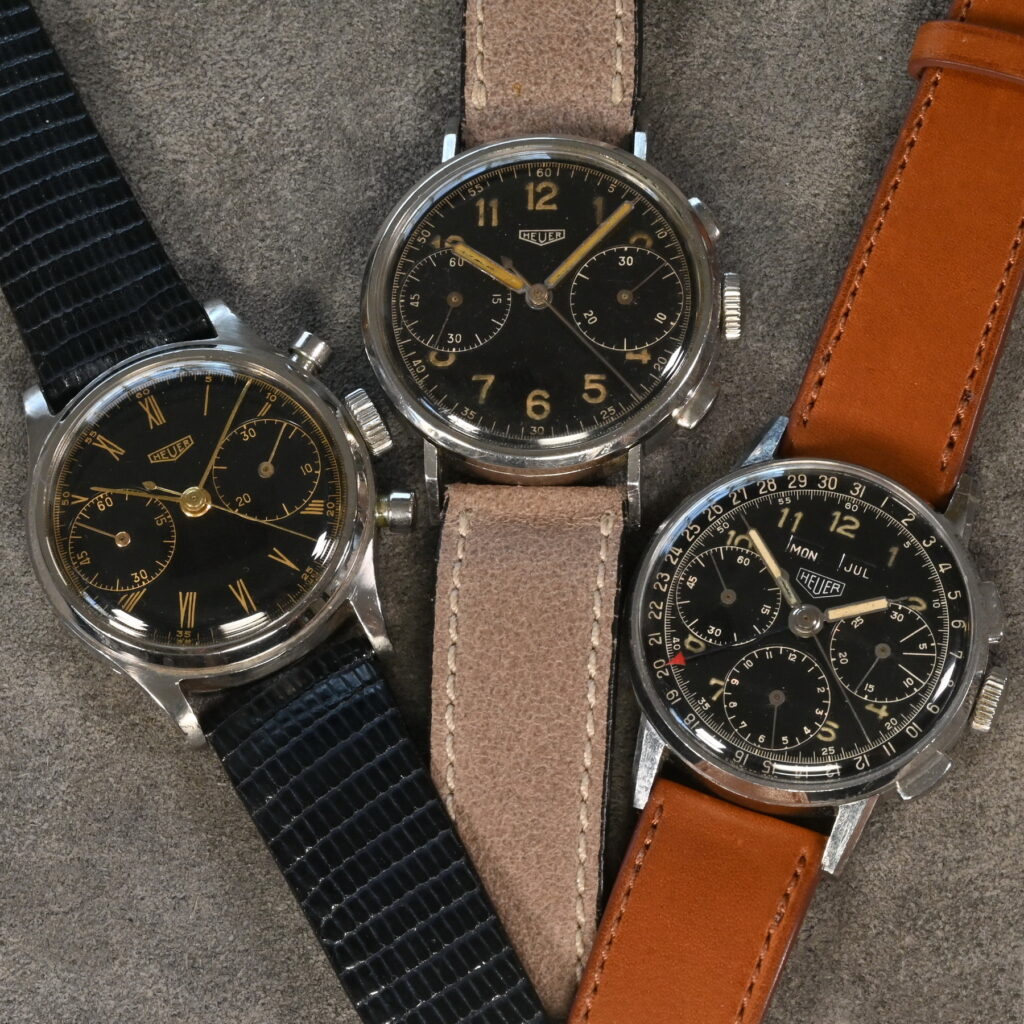
During 2025, I was happy to add three of these chronographs with black gilt dials to my collection — Reference 343 N (Valjoux 22 in a cylinder-shaped case), Reference 2543 N (triple calendar chronograph in a snap-back case); and Reference 2406 N (Roman numerals on the dial, in a waterproof case).
Formula 1 Season
TAG Heuer celebrated its becoming the Official Timekeeper of Formula 1 by introducing the Formula 1 Solargraph, a solar-powered re-edition of the original Formula 1 from 1986. In connection with the introduction of the newest Formula 1, I was thrilled to interview Eddy Burgener, the man who designed the original Formula 1 models in 1985. Eddy corrected previous versions of the origin story, by explaining that the Formula 1 watch was designed to offer California surfers and divers a colorful dive watch, and not as TAG Heuer’s response to the colorful Swatch watches. Heuer had been selling dive watches since the late 1970s, and the Formula 1 watch was a true dive watch, rather than a fashion accessory.
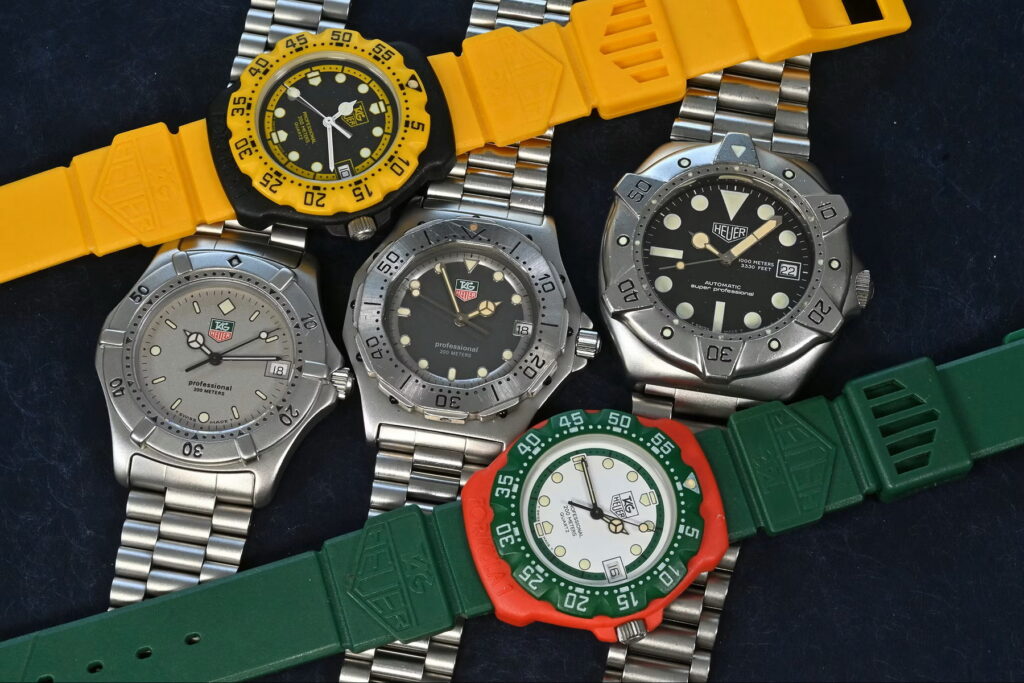
As I was having conversations with Eddy and researching the origins of TAG Heuer’s Formula 1 watch, it was only natural for me to add a handful of the early watches to my collection. I added a couple of the early Formula 1 chronographs and a Kith model from 2024 was the cherry on top. TAG Heuer produced millions of the Formula 1 watches in the 1980s and they have survived relatively well, making them relatively affordable in today’s market.
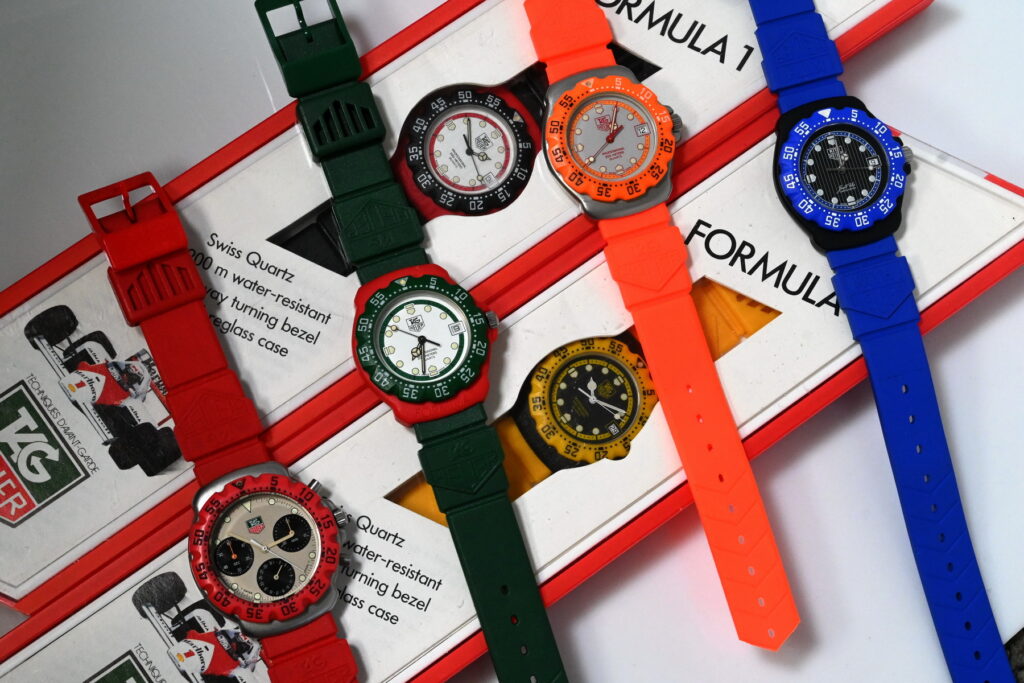
A real highlight of the collecting year was finding a couple of Formula 1 watches in the original plastic boxes that TAG Heuer used for a short period after the watches were introduced.
Senna’s Watches
He died in 1994, but three-time Formula 1 World Champion Ayrton Senna remains the most important Formula 1 racer associated with TAG Heuer.

The most popular OnTheDash posting of the year 2025 was a guest contribution by Michael Young that covered the watches worn by Senna – The Definitive Guide to Ayrton Senna’s Watches. Senna wore an interesting variety of TAG Heuer watches, from a complicated quartz chronograph with an analog / digital display (enabling 1/100 second timing) to an elegant automatic chronometer, and he even worked with TAG Heuer to design a limited edition watch with the Senna “S” on the dial.
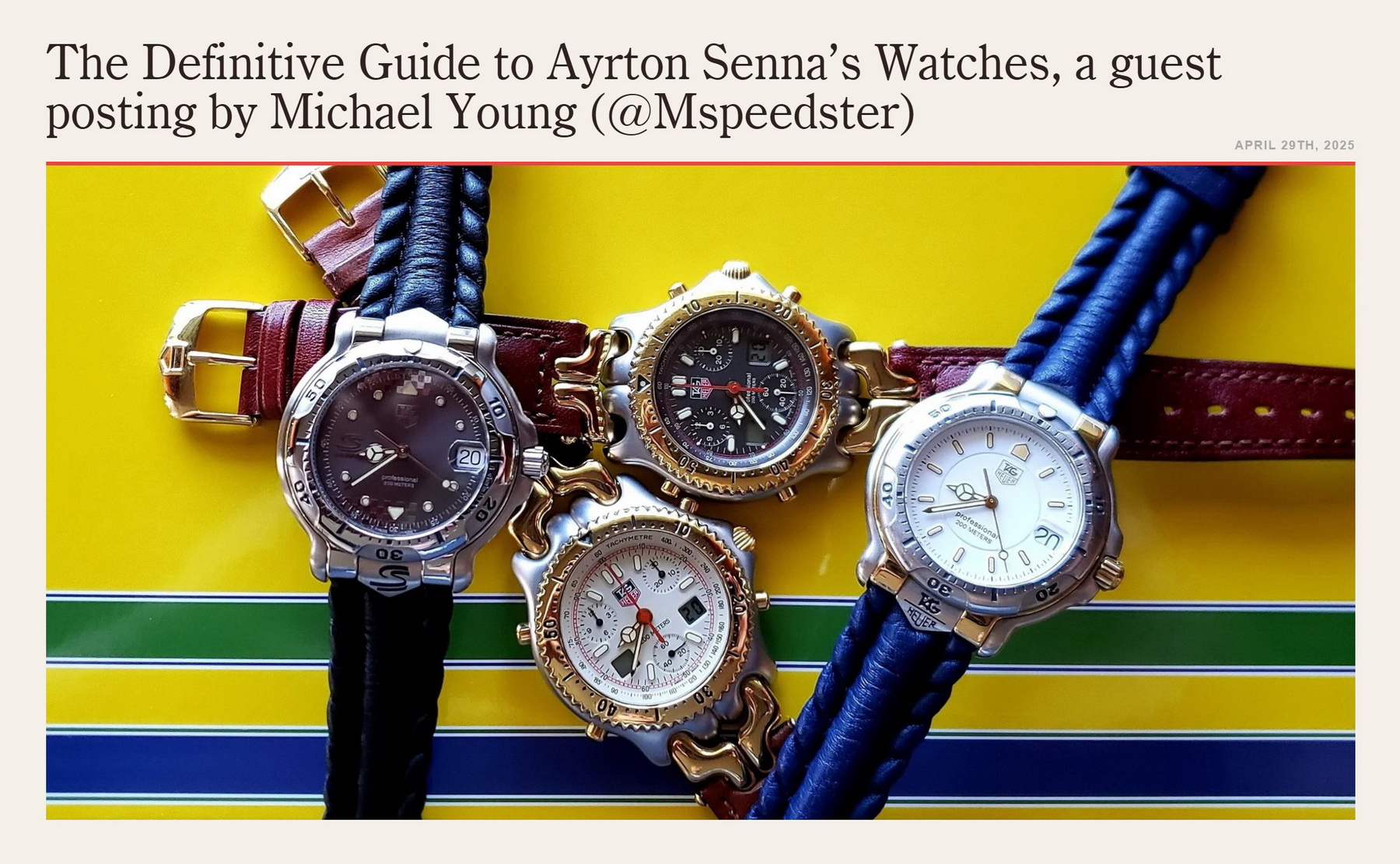
My immersion into the watches worn by Senna yielded some interesting additions to my collection, with these watches also serving as a nice bridge from the world of vintage Heuers to the world of vintage TAG Heuer watches. These neo-vintage models also remind us that there are interesting racing-related watches to be had, at reasonable prices.

Following are the “worn by Senna” watches that I enjoyed during 2025:
TAG Heuer Super 2000, Reference 165.806 – a fun automatic chronograph that Senna wore in 1989; these watches are plentiful, and you can expect to find them in good condition for under $1,000.

TAG Heuer S/EL analog / digital chronographs – Crazy watches that incorporate a bi-metallic case; analog and digital timekeeping, and even a leather strap that wants to be a bracelet; choose the cream dial (Reference S25.706C) or the anthracite dial (Reference S25.206M). These are the timepieces most closely associated with Senna.
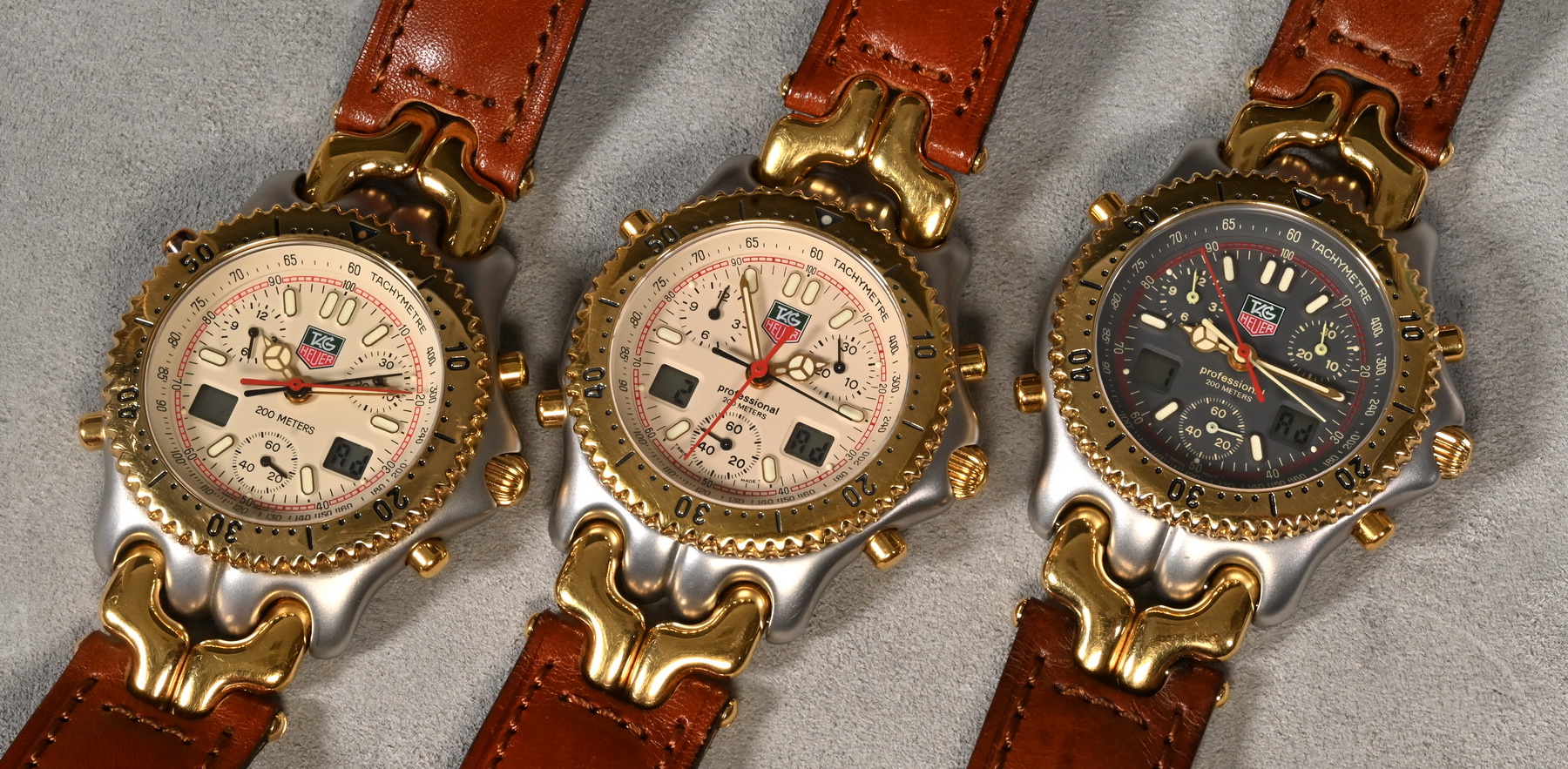
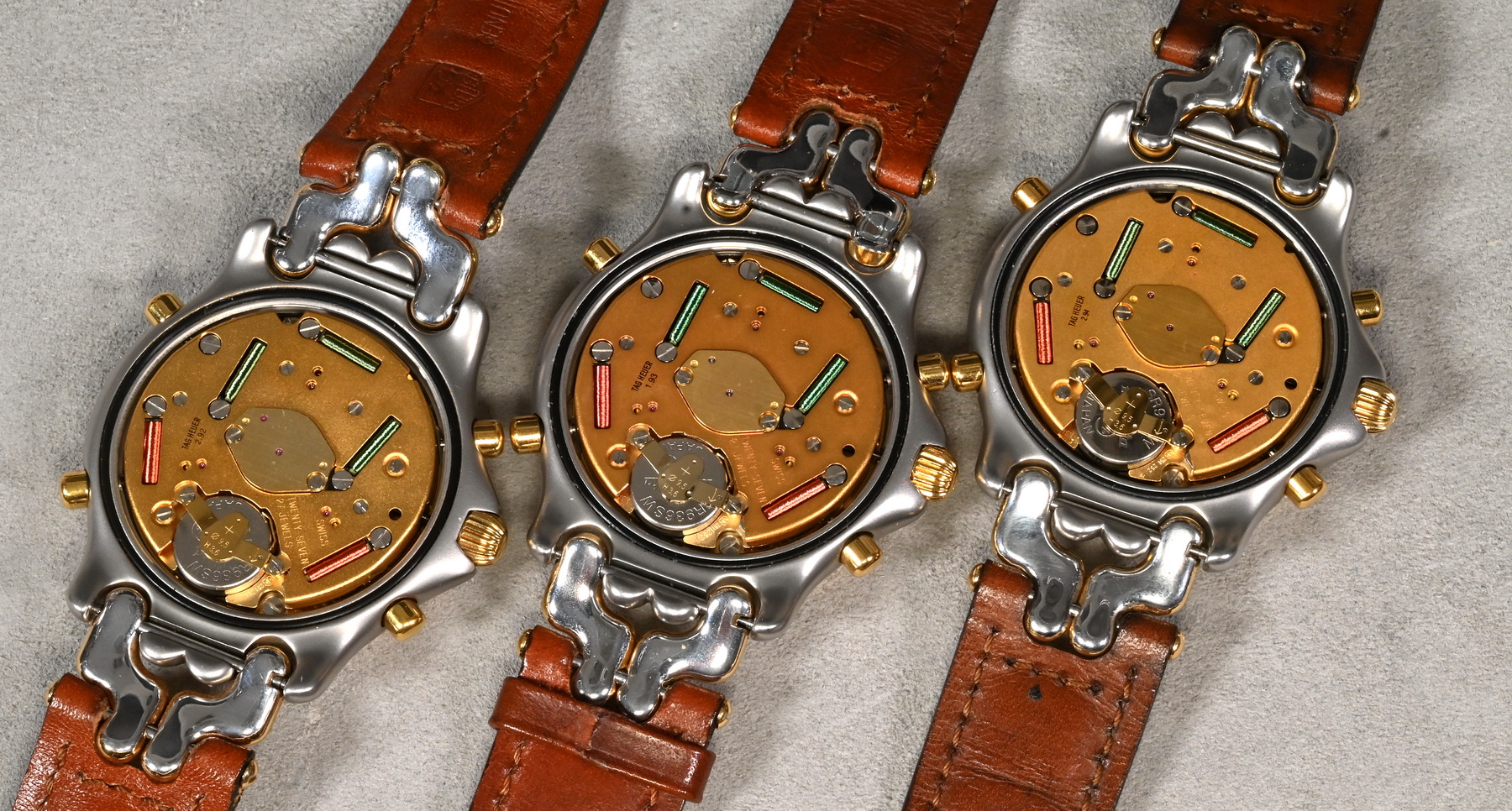
TAG Heuer Formula 1 Chronograph, Reference 472.513 – a red chronograph not worn frequently by Senna, but it was on his wrist during the 1991 Japanese Grand Prix when he won his third World Championship. These chronographs use separate batteries for the time of day function and the chronograph function, and relatively few of them have survived in working condition.

TAG Heuer S/EL, Reference S89.206 (below, left) – an automatic chronometer with an anthracite dial, and the bracelet has the iconic “S” links; legible and super comfortable on the wrist, making it easy to wear.
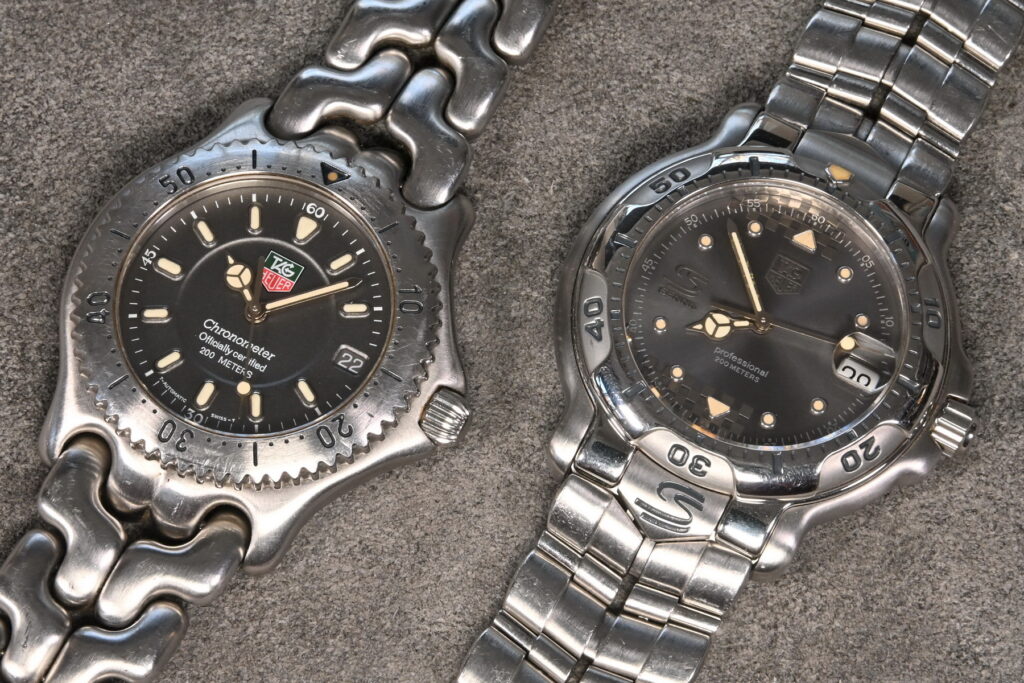
TAG Heuer Series 6000, Reference WH1114 (above, right) – Senna worked with TAG Heuer to design this limited edition watch, and he wore a prototype in Spring 1994. The watch was introduced later in the year, after his death in May 1984.
Some Advice for 2026
No More eBay and Chrono24 — Looking back at the list of my watch arrivals for 2024 and 2025, I was surprised to see that I purchased a total of only two timepieces from eBay and Chrono24 (oddly enough, both of them being split-second pocket chronographs). That begs a couple of questions — why are the great watches no longer listed on eBay and Chrono24 and where are such watches being offered?
My answer to the first question is simple — it has become increasingly difficult for individuals to list watches for sale on eBay and Chrono24. The listing process is complicated, the fees are high, and the requirement for eBay and Chrono24 to collect sales tax increases the cost to the buyer. We continue to see many dealers and professionals list their inventories on these platforms, but the individual who found his father’s watch in the sock drawer is no longer listing the watch on eBay. It’s just too difficult and expensive.
Happy Hunting in Facebook Groups and Discussion Forums — So where does the guy who found his father’s watch in the sock drawer list it for sale? While I don’t have the data to prove it, it appears to me that Facebook groups and watch discussion forums have become increasingly important platforms for purchases and sales of interesting vintage watches. Compared to the difficulty of creating an eBay or Chrono24 listing, it is easy for the novice seller to make a quick posting in a Facebook group or on a discussion forum. There are no fees and few rules; it’s easy to post; there are no protections for buyers . . . this Wild West is wide open for prospective sellers.
Shown below are two postings that I spotted on November 1, 2024 and November 2, 2024 [that’s right, one day apart], the gold Carrera in a Facebook group and the Autavia GMT on a discussion forum.
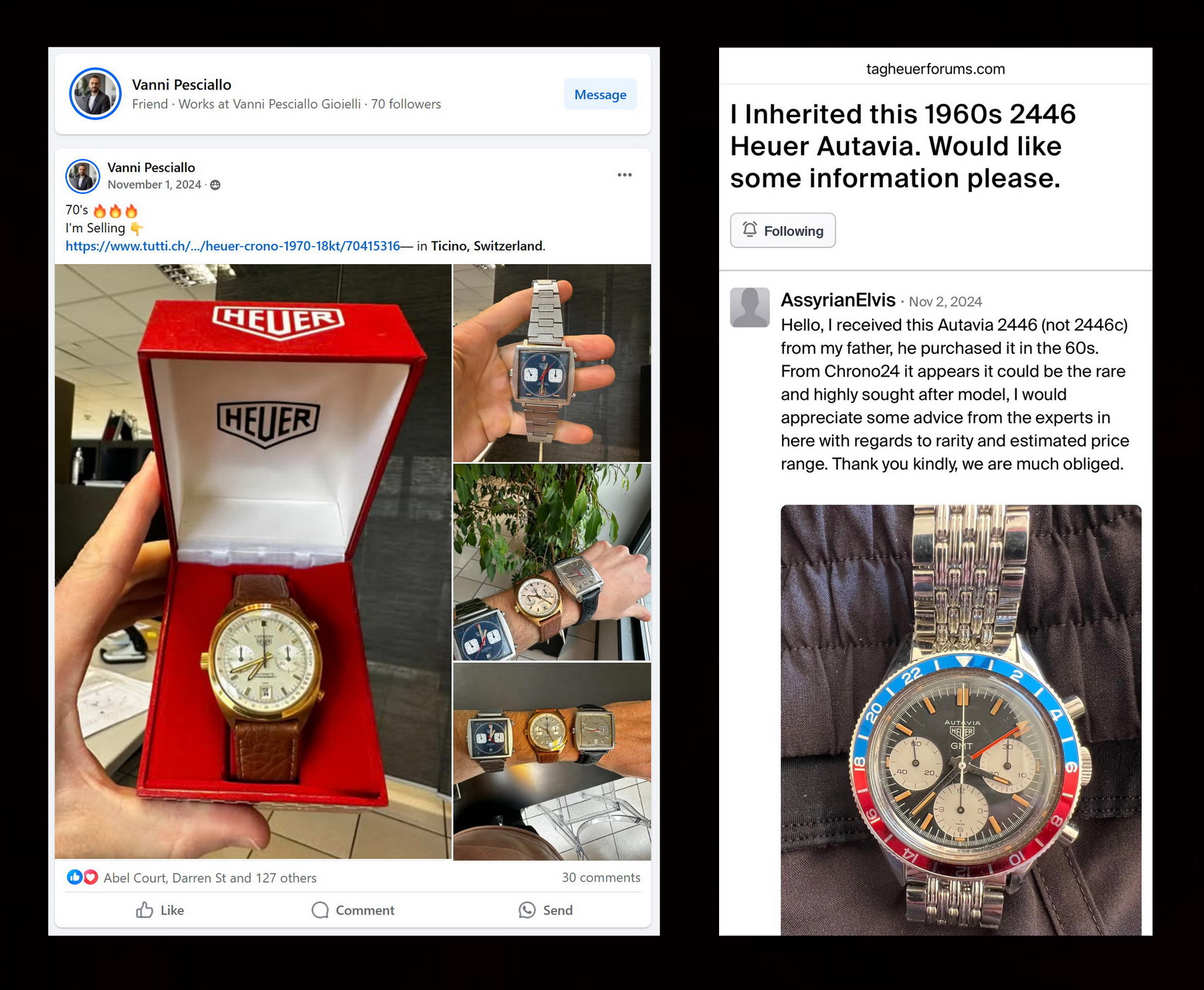
The absence of protections can make Facebook and discussion forum transactions difficult for buyers. My two 2025 transactions required a lot of back-and-forth with the sellers and some complicated logistical work. Without the protections of eBay and credit cards, they can be risky, and it takes some work for a buyer to mitigate the risks. These transactions can take a lot of time — I received the two watches shown in the early November 2024 postings on January 25, 2025 and February 25, 2025.
While not a frequent source for watches, I believe that it can be worthwhile for collectors to pay attention to the right Facebook groups and discussion forums. As we might say in baseball, you don’t go there to hit the singles, but there are the occasional home runs!!
Social Connections — Tell Your Friends That You Love Them (and Their Watches) — As we collect watches and participate in social media, we develop important connections with like-minded collectors. Over time, collectors will learn about the watches that are of interest to other members of the community, and most collectors will be happy to share their “finds”, as they search for watches.
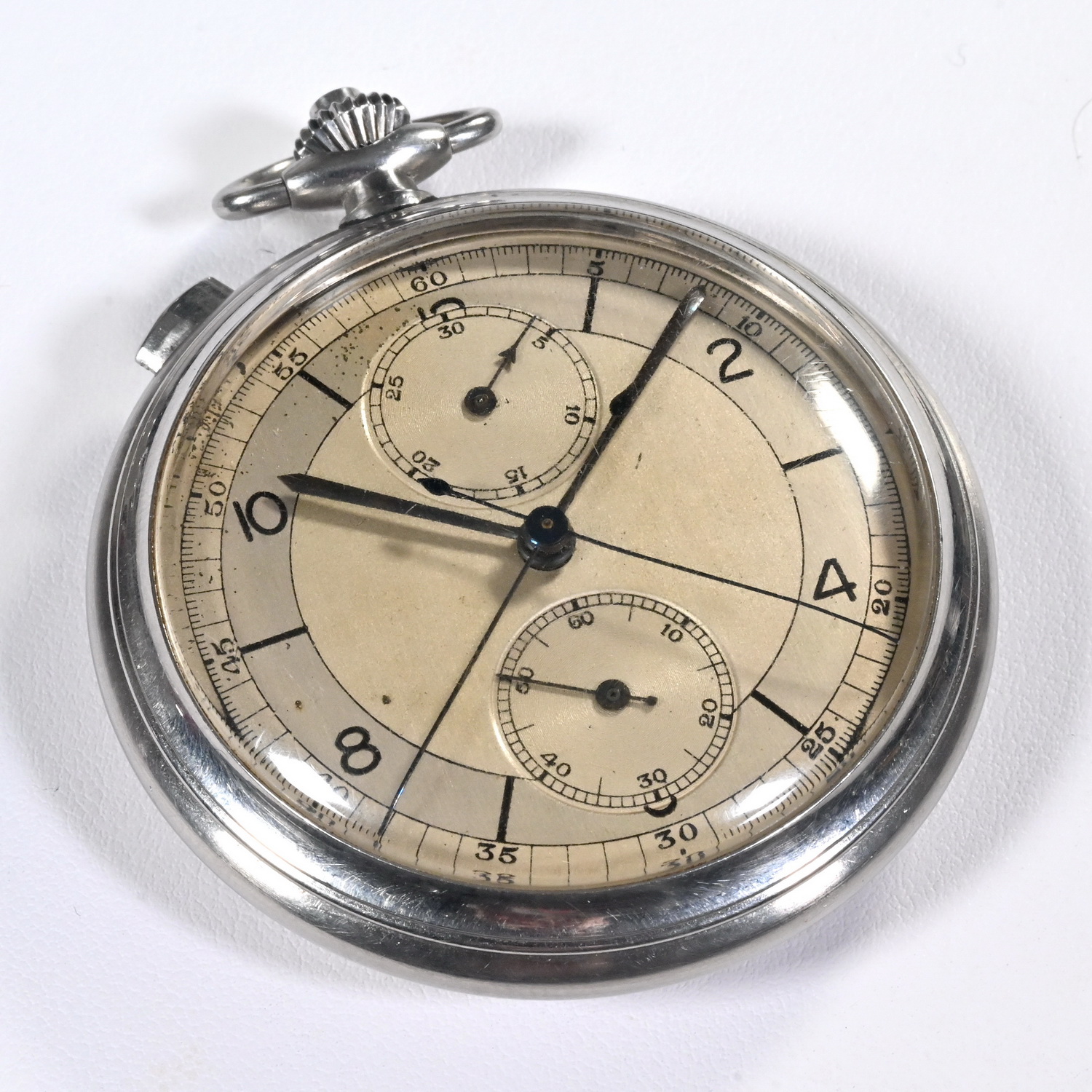
In June 2025, my friend John Cote spots a circa 1935 Heuer split-second pocket chronograph at the NAWCC market, and asks me for advice about the value of the watch. I suggest a range of $2,500 to $3,000, and he buys the watch at $2,500. I am very explicit with John — “If you ever get tired of that watch, I would love to buy it from you.” Six months later, I buy the watch from John, at the price that he paid for it.
A few days ago, I posted on Instagram about the Autavia Reference 2446 GMT that I had acquired. A watch collecting buddy called “dibs” in it, minutes after I post the images. Three direct messages sent through Instagram were not bashful in asking whether the watch might be for sale.

In the year 2025, “tell your friends that you love them” has become a popular catchphrase. Telling your watch collecting friends that you love their watches is a nice thing to do and can be beneficial for both you and your friends.
Social Media Connections — Tell Strangers That You Love Their Watches — It’s easy enough telling a friend that, when the time comes, you would like to buy their watch, but that can be a bit awkward (or obnoxious) when you hardly know the person posting the watch on social media. Still, when I see a social media feed that is loaded with interesting watches or even one watch that is especially interesting, I often send a message to the collector — “please let me know if you hear of any of these that may be for sale” or just a simple, “spectacular watch!”

The Breitling Duograph shown above came my way in 2024, as a result of such a message to a “stranger” who became a friend. .
Huge Thanks — To the Finders and the Fixers, the Mules and the Bagmen
The community of watch collectors is an amazing place. The text message from Eric Wind is short and sweet — “I think you need this watch.”
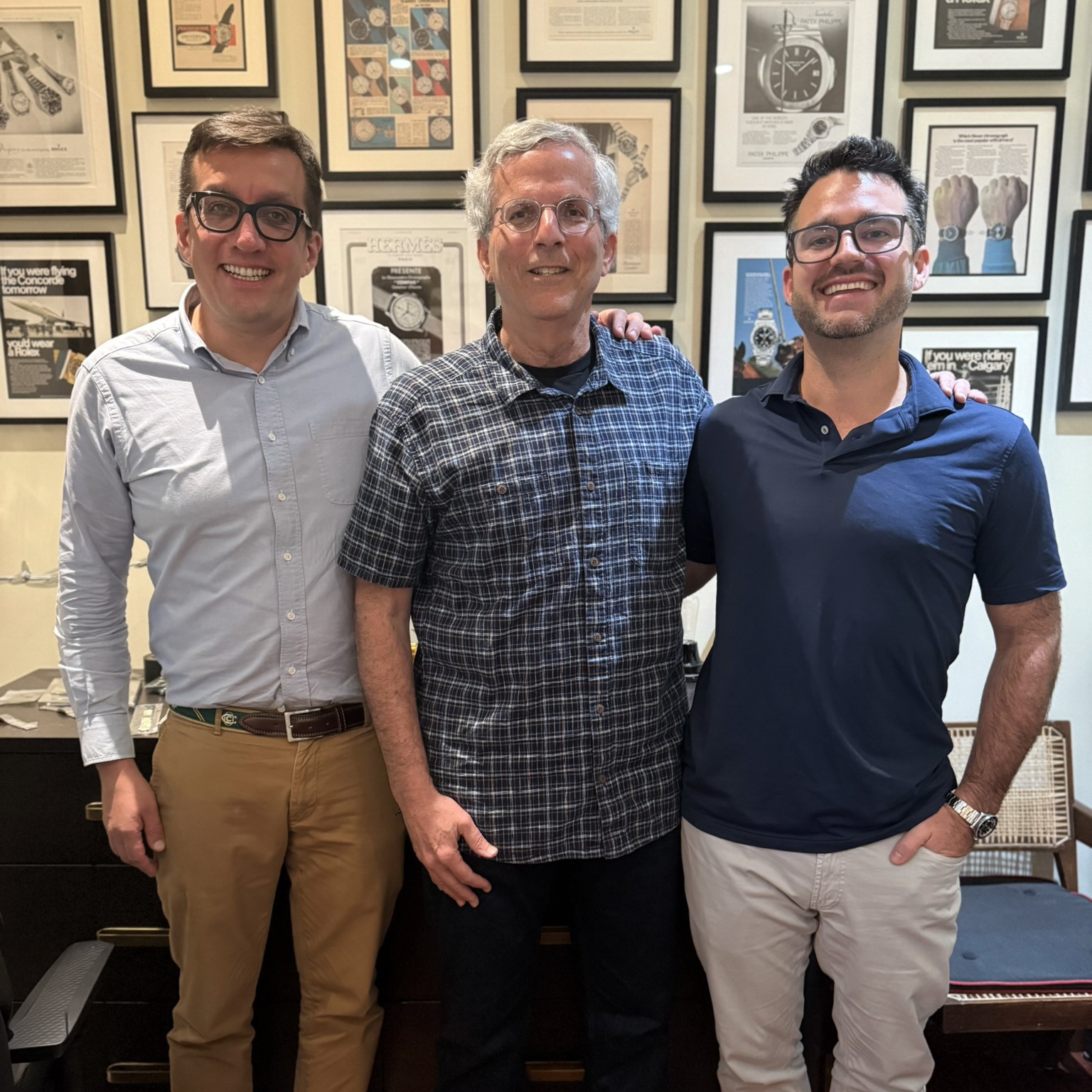
I spot an old Breitling chronograph in a small-town jewelry store, and send Fred Mandelbaum a message asking for his assessment. His response is simple, “That watch needs to be bought.” Roy Davidoff, in Geneva, receives an 18 karat gold Carrera chronograph from a seller in Tocino, Switzerland, confirms that the watch is right, and I am comfortable sending the second half of the payment to the seller. An estate seller in Arizona requires cash in a face-to-face transaction, and a watch buddy meets him in a bank to complete the transaction.
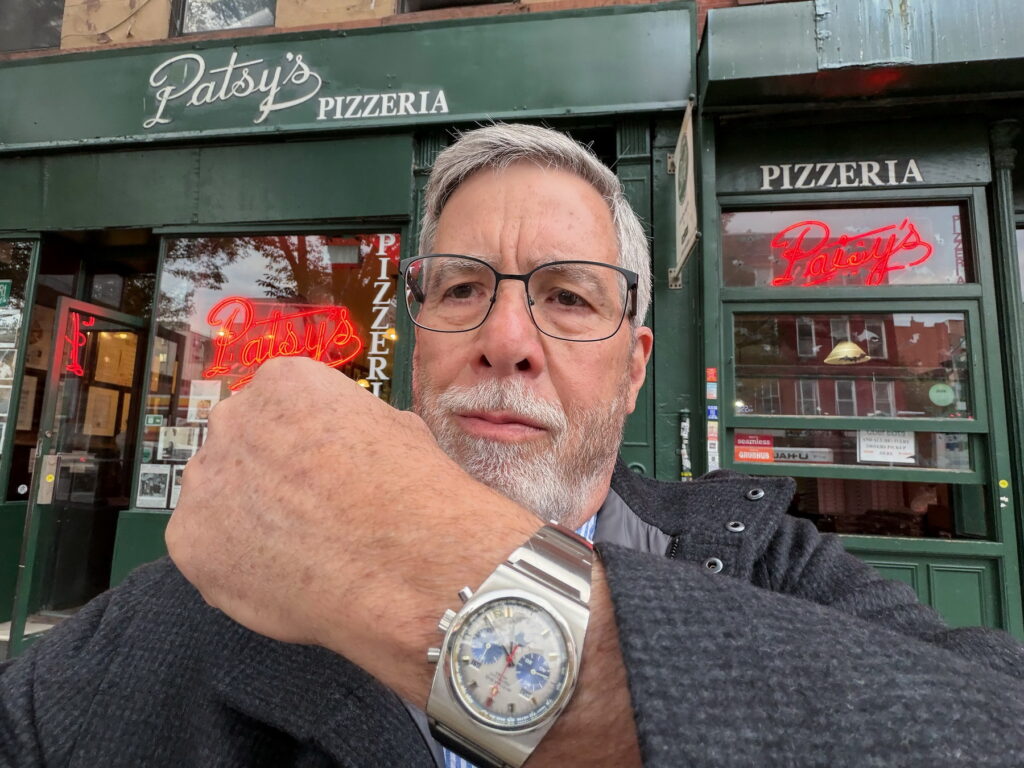
Friendships in the watch community are characterized by absolute trust and most members of the community are happy to assist with information or “boots on the ground” when assistance is needed.
Vintage car collectors live and die with the good (or bad) work of their mechanics, and the happiness of those of us who collect vintage watches is similarly dependent on the skill and availability of our watchmakers. Having a willing and able watchmaker is critical to our happiness – we can buy the “projects”; the problem watches can be corrected; and on a good day, all the watches in our collections are running well.
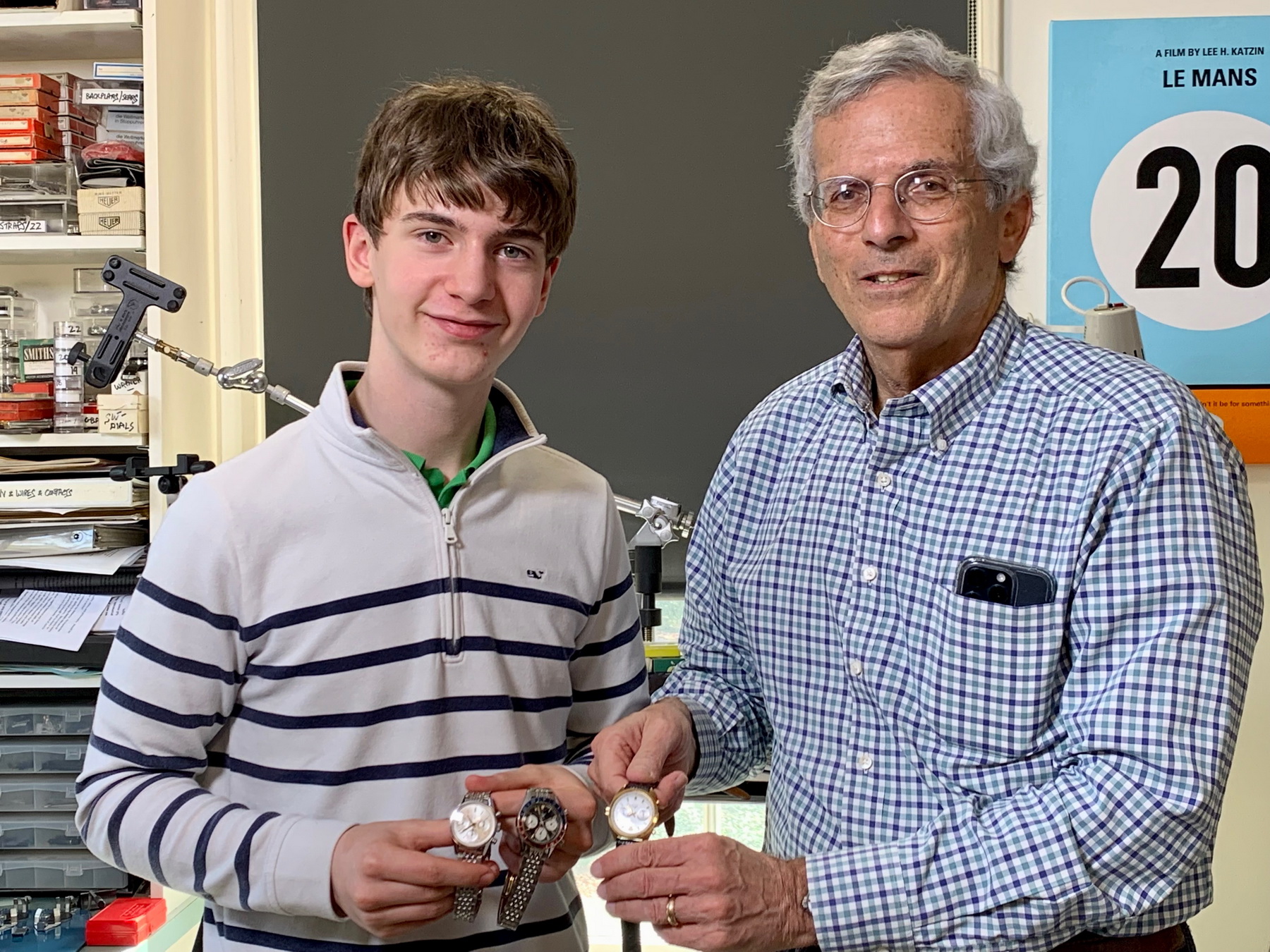
A highlight of my 2025 collecting year was meeting Owen Berger, the young watchmaker who has become a darling of the media. Yes, he is only 16 years old; yes, he is self-taught; and yes, he can repair and restore repeating chronographs. Read this interview with Owen on the Bersenti website and follow Owen on his Instagram account, WhiteWhaleWatches.
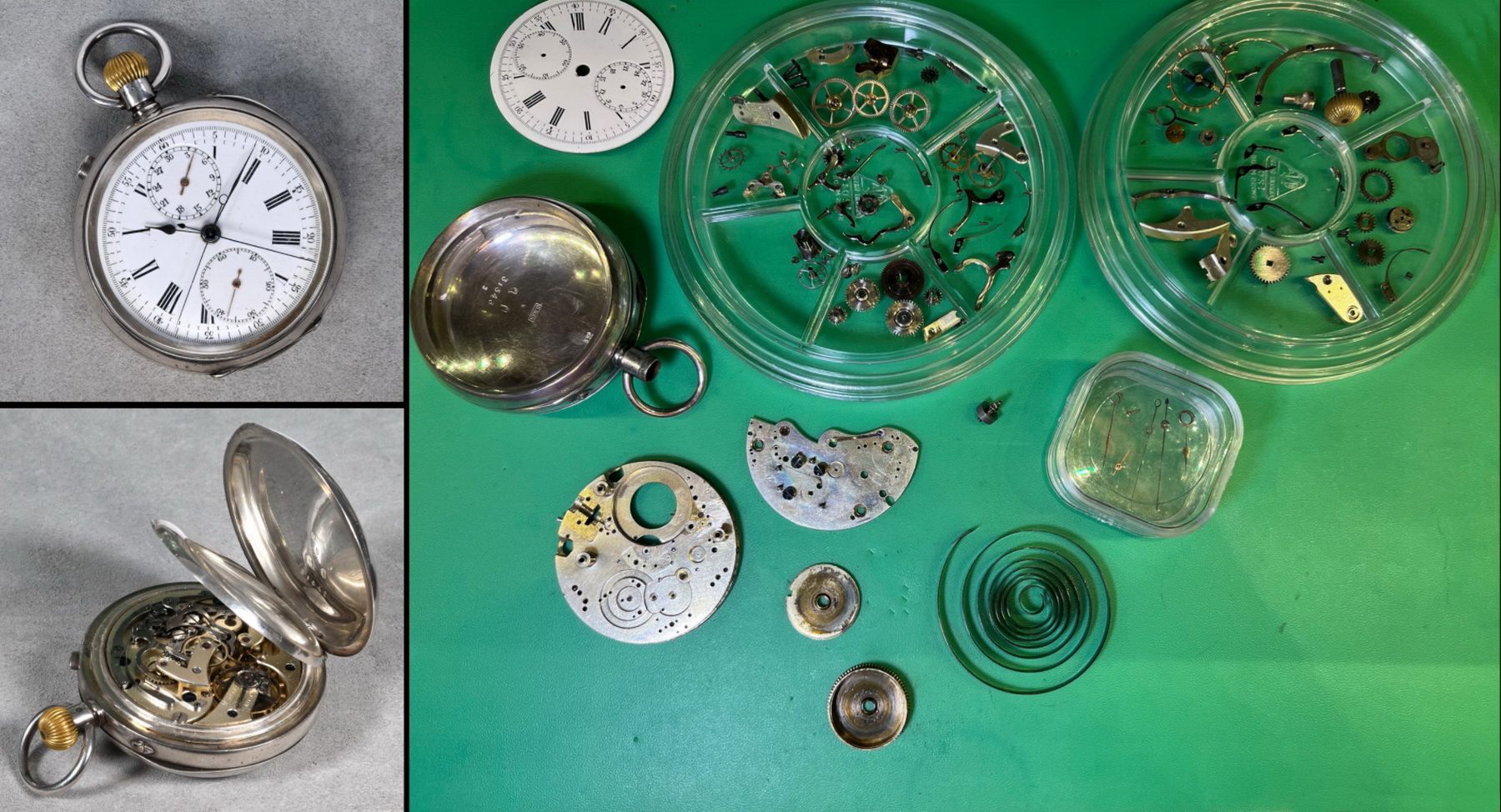
Owen’s enthusiasm for interesting projects and his skill as a watchmaker contributed greatly to my enjoyment of this watch collecting hobby in 2025. Owen gave the 1973 Carrera Reference 1158 its first servicing, straightened out a couple of split second chronographs from the early 1900s, and got the daily-favorite Sinn EZM-1 running well. We also enjoyed time together at OnTheDash headquarters, where we made our way through some interesting old watches. Thanks to Owen for his amazing work during 2025; so many of us are excited to see where 2026 will take you.
Jeff Stein
January 20, 2026