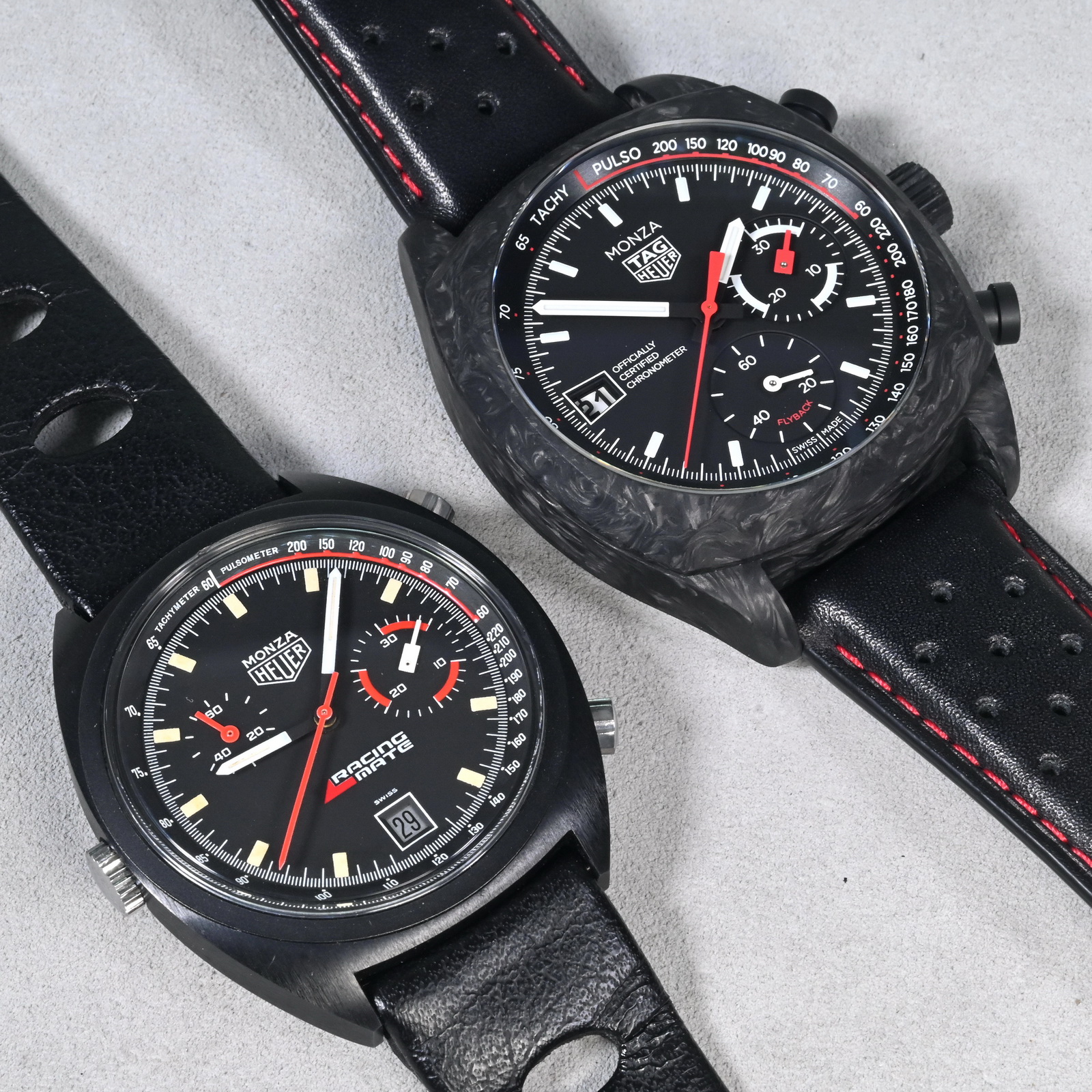
I was chatting with the writer about the usual topics – Why do I collect? What do I collect? How do I collect? – and then he asked me a different type of question. I had mentioned that approximately 90 percent of my watches are vintage chronographs, with half of them Heuers, and that the remaining 10 percent are “neo-vintage” or modern watches. His next question was a new one for me – “So what does it take for a brand new TAG Heuer chronograph to make it into your collection?”
Visions of my Non-Disclosure Agreement with TAG Heuer flashed through my head, as I thought about the TAG Heuer chronograph that had arrived earlier in the day, the new Monza Flyback Chronograph. I had opened the box and liked what I saw, but rather than telling him about the watch, I played it safe, with a generic answer – “For a new TAG Heuer chronograph to make the cut, it has to capture the spirit of a vintage chronograph that I love and incorporate a modern movement and / or materials to “improve” the performance or look of the watch. A new watch will earn bonus points if it captures an important moment or chapter in Heuer’s history.”
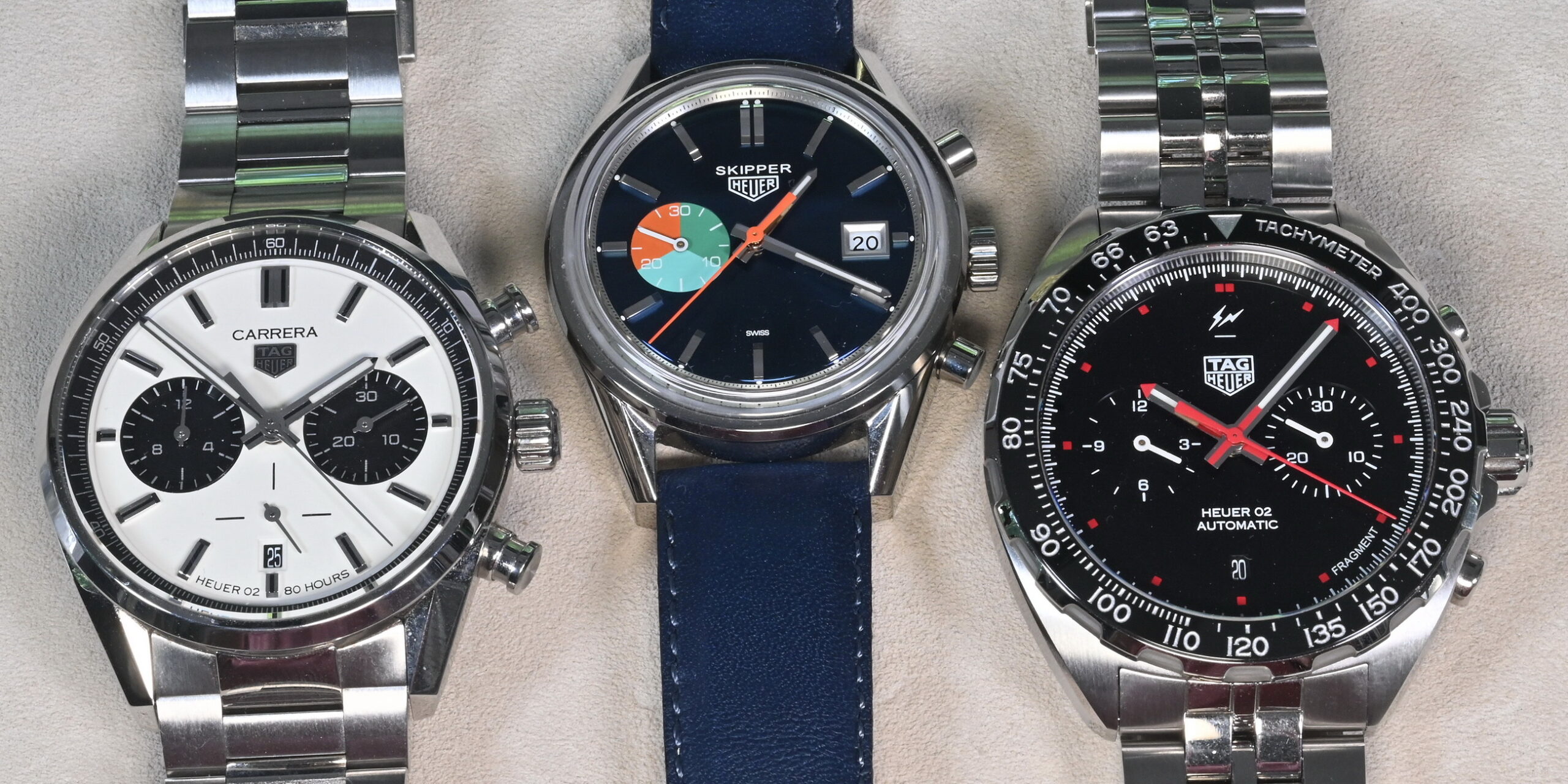
I gave him the examples of the Hodinkee Skipperrera Limited Edition (2017), the Fragment Formula 1 (2020), and the Watches of Switzerland Carrera (2022), but said nothing about the new Monza. Then we moved on to the next topic.
Now that TAG Heuer has lifted the embargo on the new Monza Flyback Chronograph, we can examine the watch and consider whether it will make the cut – is this a modern TAG Heuer chronograph that a died-in-the-wool vintage collector might enjoy? As we often do, let’s start with some history, of motor racing and Heuer’s role in the sport.
The Moment – Niki Lauda and the Ferraris at Monza, September 1975
The 1975 Italian Grand Prix was held on September 7, 1975 and was a special race for the Ferrari team , and its drivers Niki Lauda and Clay Regazzoni. Racing before Ferrari’s home crowd at Monza, often called “The Temple of Speed,” Scuderia Ferrari was on the verge of capturing the Constructors’ and Drivers’ Championships that had eluded the team for more than a decade.
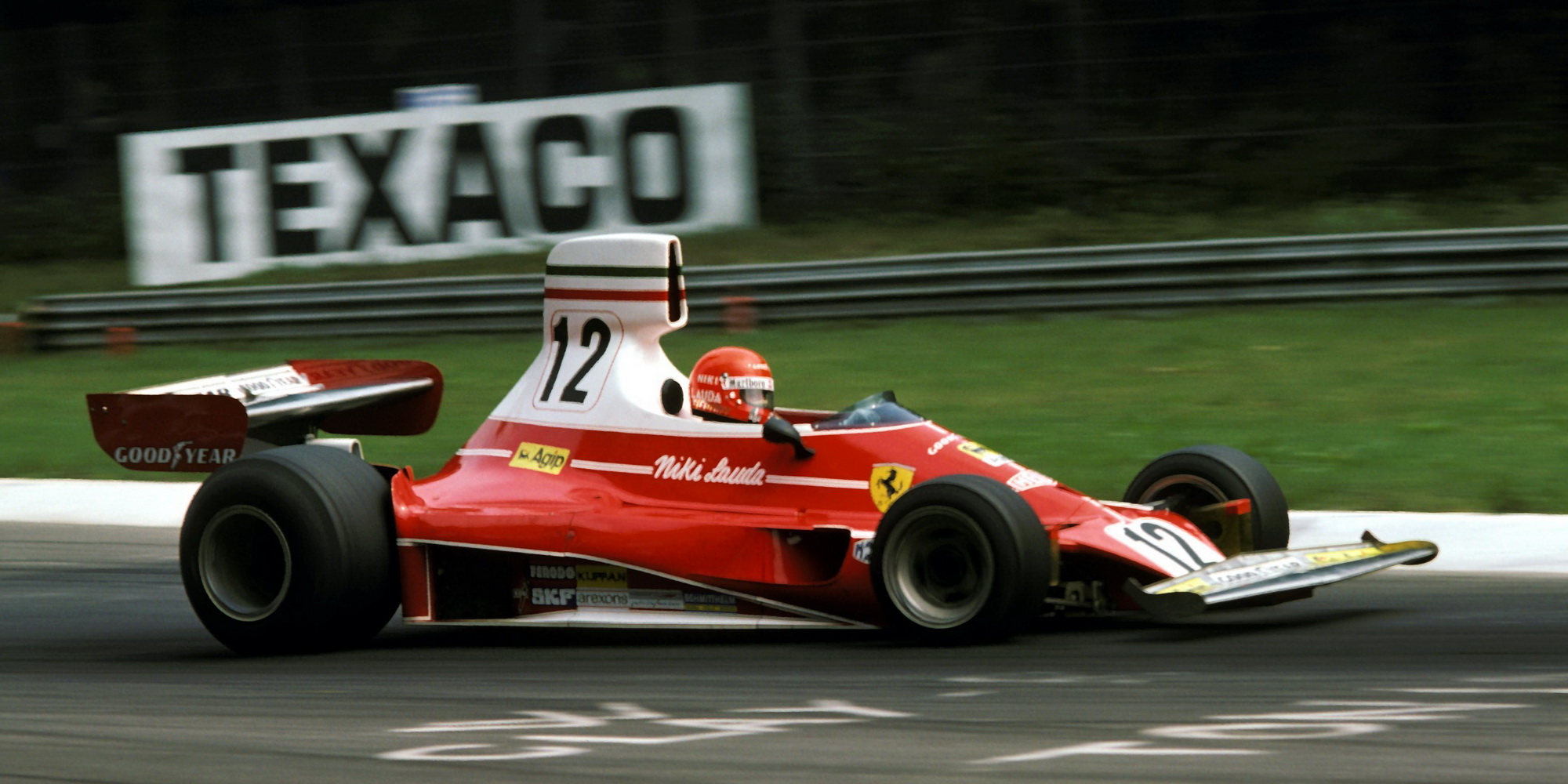
Lauda had dominated the season in the new 312T and would clinch the Drivers’ Championship with a finish of fifth place or better either at Monza or at the next race, the United States Grand Prix, in Watkins Glen. Carlos Reutemann was second in the Drivers’ standings, but he could win the Championship only with wins at Monza and Watkins Glen, and only if Lauda finished out of the points in both races.
If was a cool, overcast day at Monza, but the prospects were bright for the two Ferraris that lined up on the front row of the grid, with Lauda on the pole and Regazzoni next to him. Lauda had failed to score points in only two of the season’s 12 races; surely, he wouldn’t get shut out at both Monza and Watkins Glen. Reutemann started seventh, 1.2 seconds off Lauda’s qualifying pace.
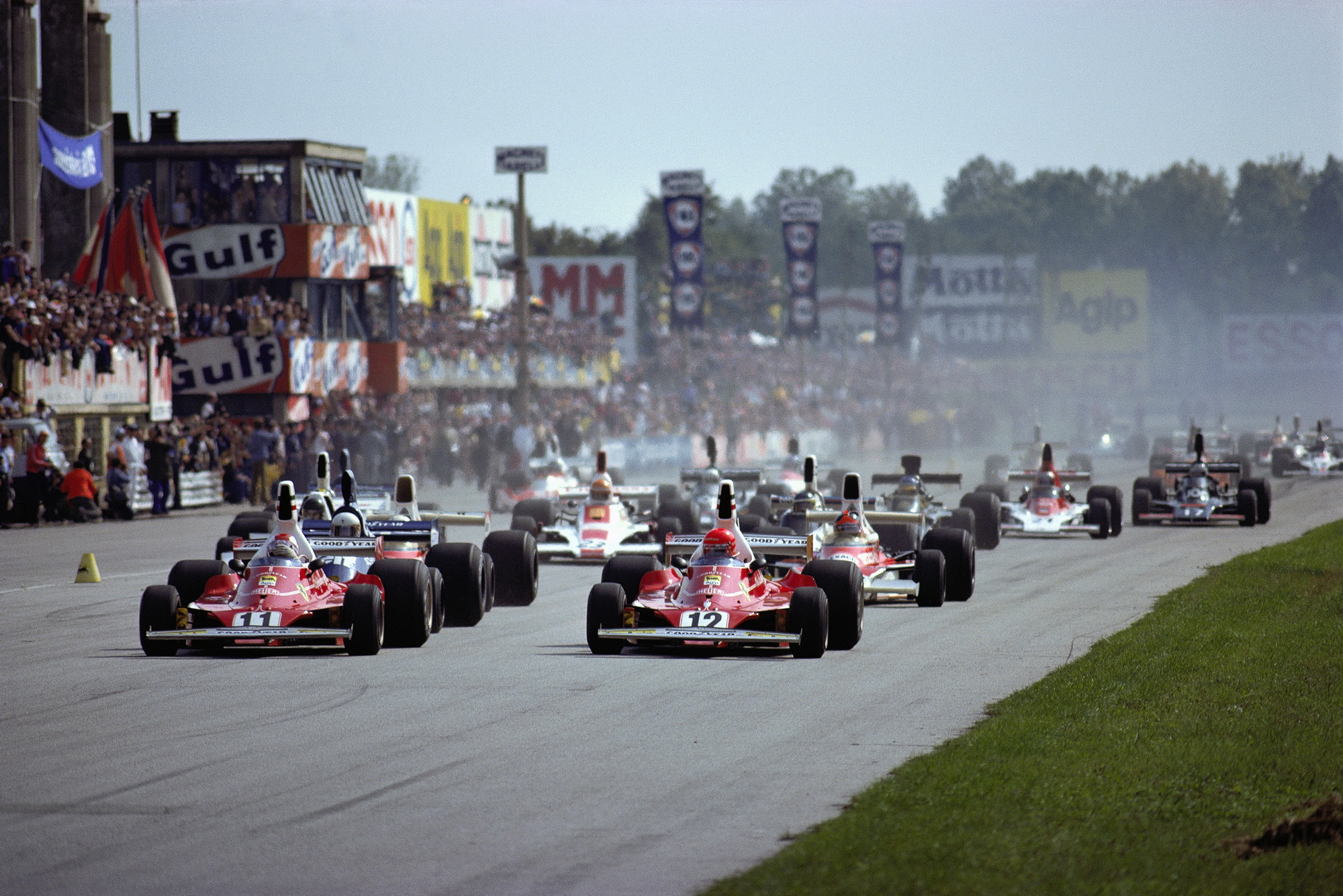
Regazzoni moved past Lauda at the start and led all 52 laps of the race, while Lauda finished third, 23 seconds behind Regazzoni but a comfortable 32 seconds ahead of Reutemann, who finished fourth.
With his win at Monza, Regazzoni claimed nine Constructors’ points for the Ferrari team, locking up the Championship, as Ferrari left Monza with a 9.5 point lead, with only nine points available to the Brabham team were they to win at Watkins Glen. Four weeks later, at Watkins Glen, newly-crowned champion Niki Lauda put an exclamation mark on the 1975 season, starting from the pole and leading all 59 laps.
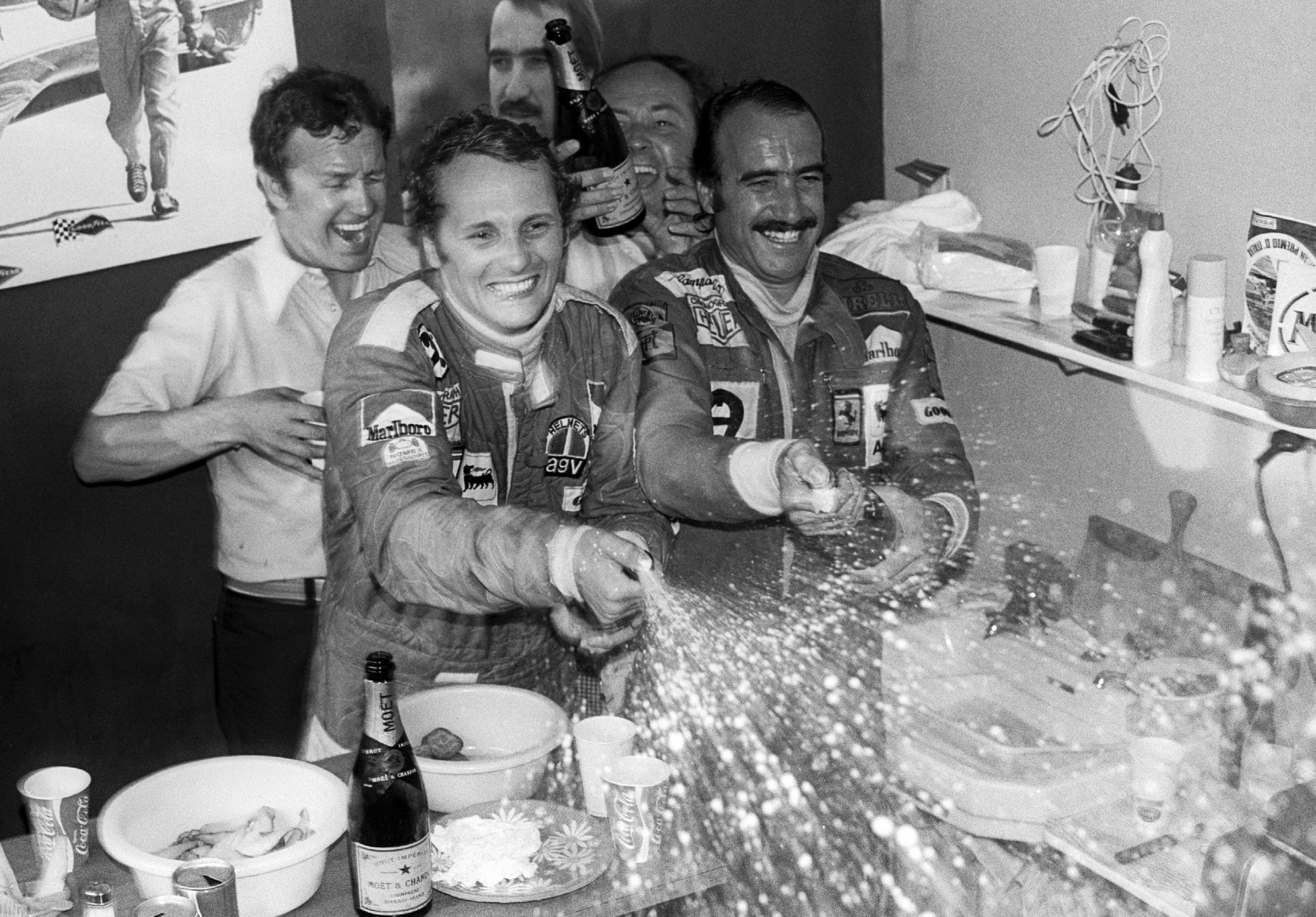
The Championships for Lauda and Ferrari were especially sweet, as Ferrari had not won either championship since 1964. The team would go on to win three of the next four constructor’s championships, and two more in 1982 and 1983. In his fifth season of Formula One, the Drivers’ Championship confirmed Lauda’s emergence as Formula One’s dominant driver; he would go on to win additional driver’s championships in 1977 (for Ferrari) and 1984 (for McLaren).
Championships for Ferrari and Heuer — A Long Time Coming
The Heuer logo was on Lauda’s racing suit and the Ferrari 312T in 1975, but winning the Drivers’ and Constructors’ Championships that year was far more than a victory for Heuer, as a team sponsor. In 1971, Heuer entered a strategic timing and technical partnership with Scuderia Ferrari, becoming the team’s “Official Timekeeper”, with Heuer developing advanced timing equipment that Ferrari used at its new test track at Fiorano and throughout its Formula One campaigns.
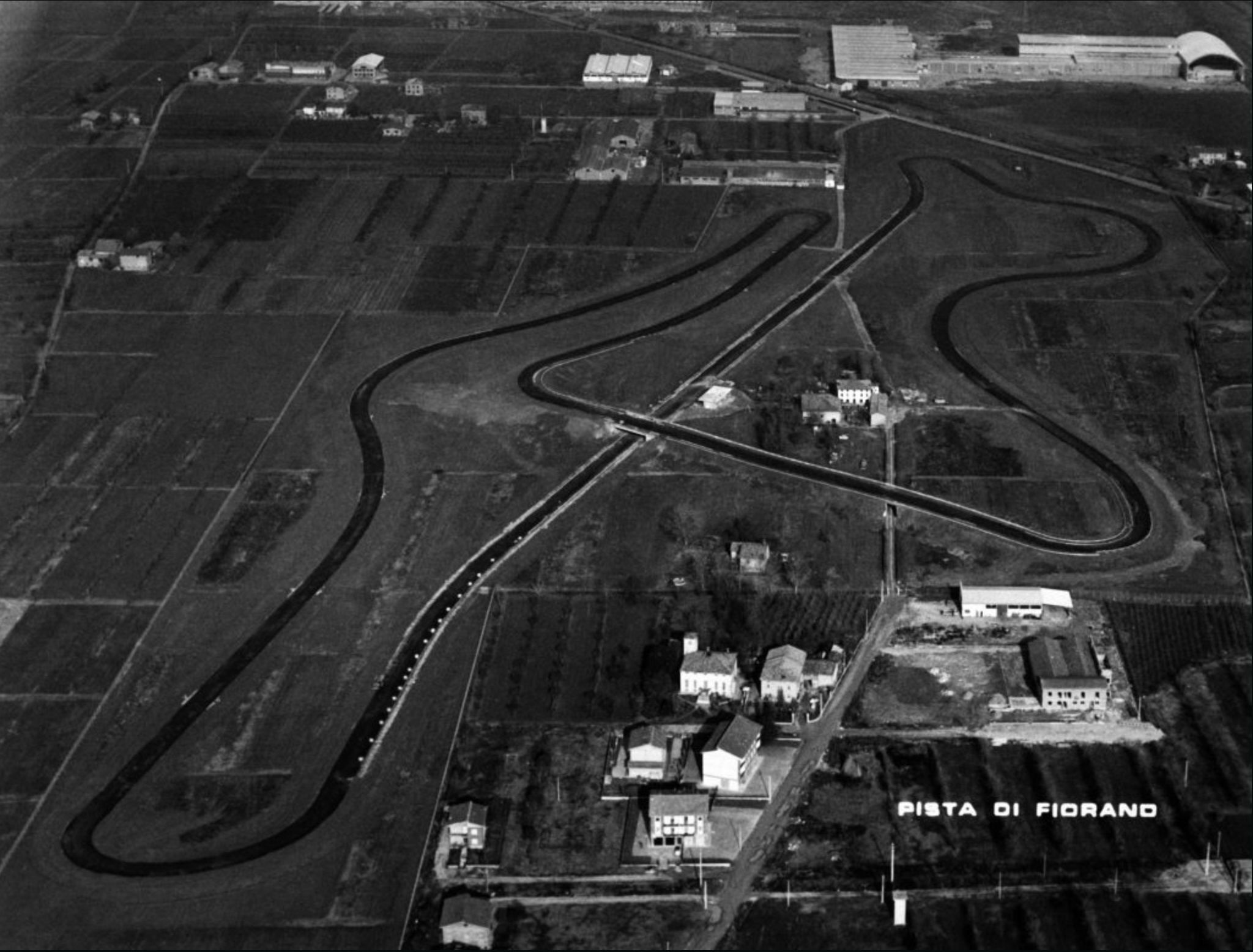
Heuer had contributed much more than logos and watches to the Ferrari team, and the timing equipment that Heuer developed for Ferrari was critical to the team’s enormous success on the track.
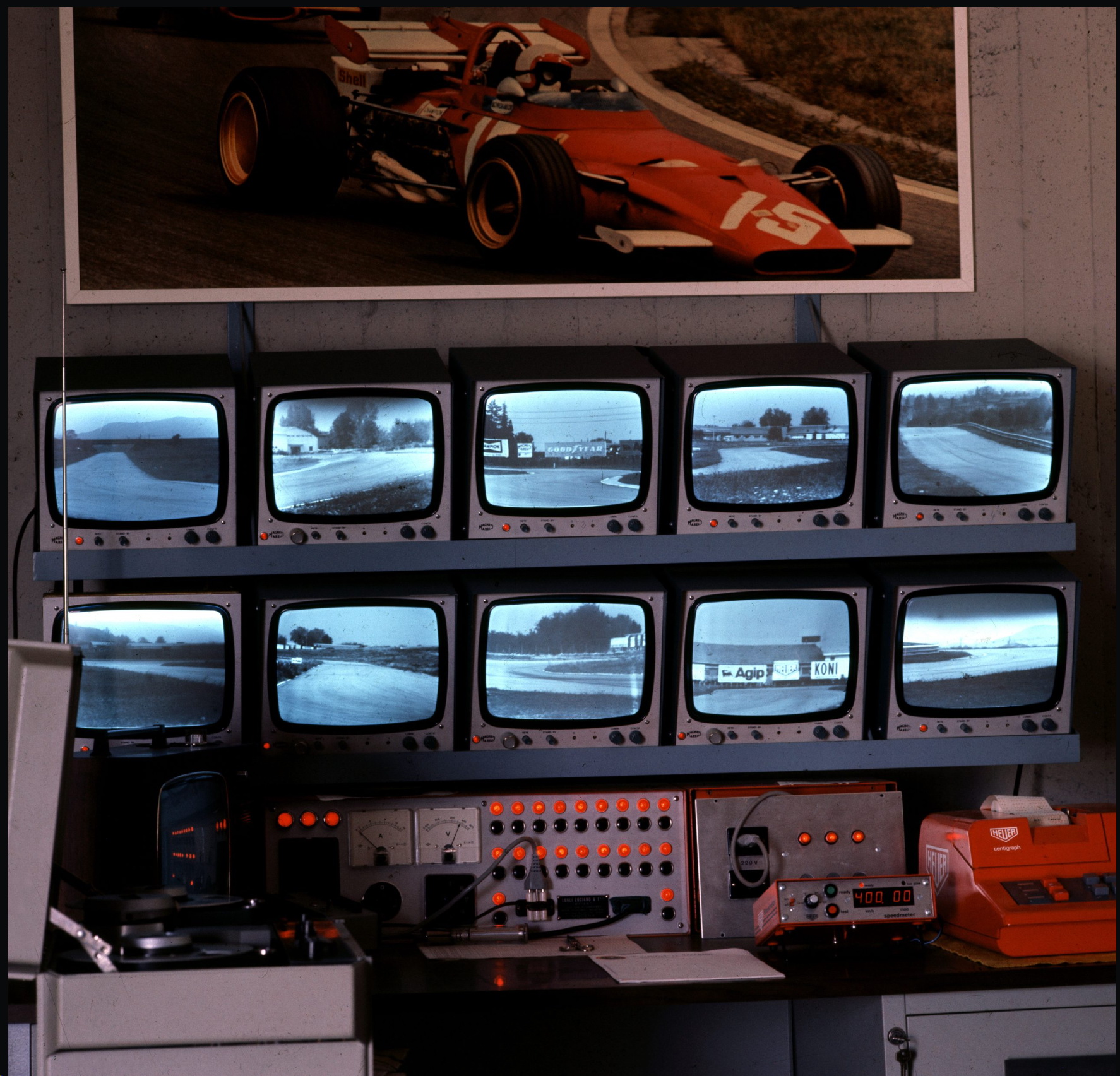
The 1975 championships didn’t come quickly for Ferrari and Heuer, with the team having fourth and sixth place finishes in 1972 and 1973, before Luca di Montezemolo took over as team manager in 1974, with newly-signed drivers Niki Lauda and Clay Regazzoni capturing a second place finish for the Ferrari team. This supremacy was fueled by the introduction of the revolutionary Ferrari 312T, which utilized a low center-of-gravity Flat-12 engine and a transverse gearbox to drastically outperform its Ford-Cosworth rivals.
The Celebration – The Monza Chronograph, 1976
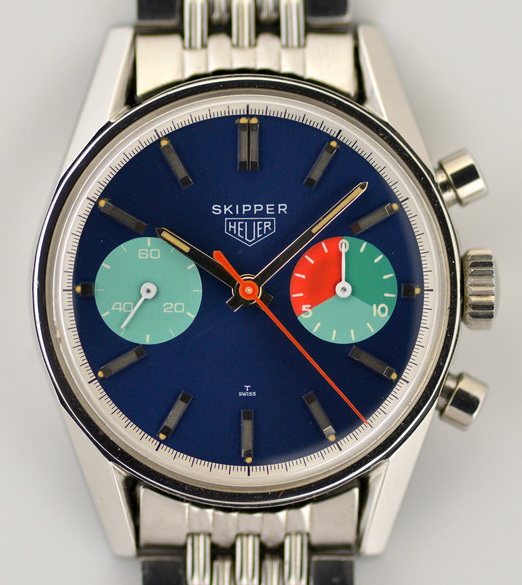
In 1967, Heuer supplied timing equipment to the yacht Intrepid when it was victorious in defending America’s Cup, and Heuer celebrated the victory by introducing an entirely new chronograph — the Skipper – designed specifically for yacht racing.
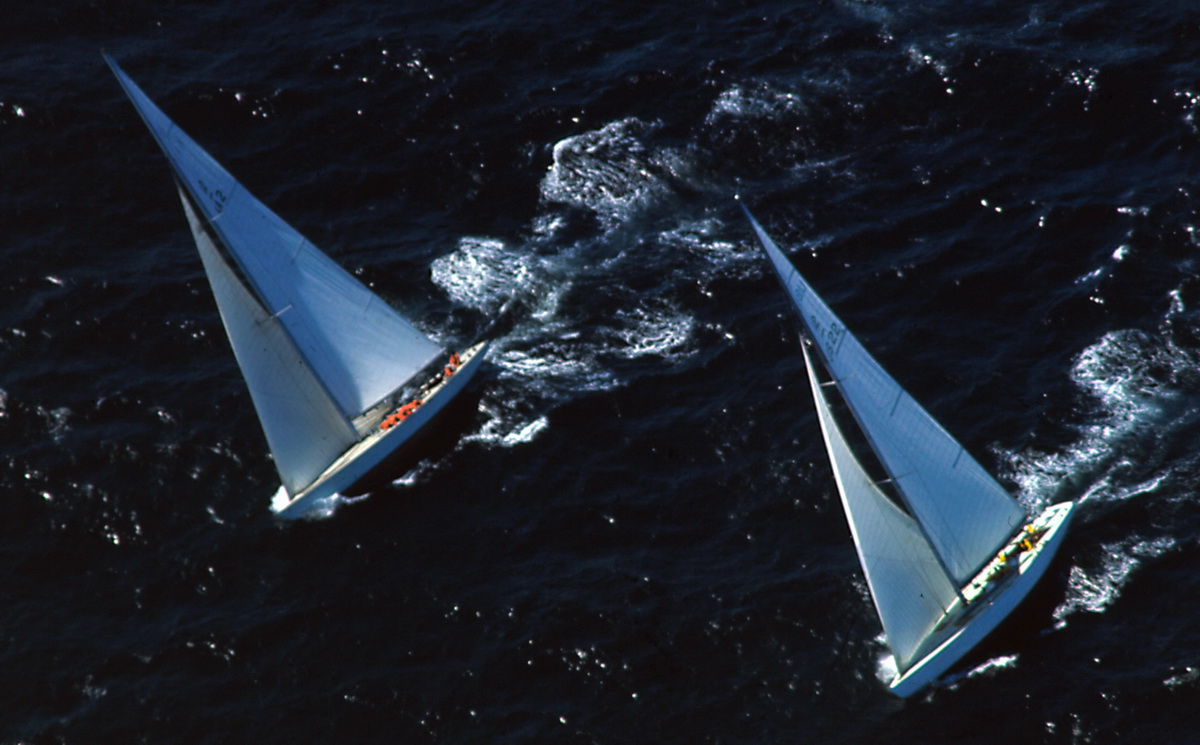
The Skipper incorporated a 15-minute countdown timer, essential for regattas, and its bright colors were inspired by the colors of Intrepid, also reflecting the bold style of the 1960s.
If Heuer celebrated its role in defending America’s Cup with a new chronograph for yachting, surely partnering with Ferrari and Lauda for the Formula One championships was worthy of a new chronograph that would set the world of motorsports on fire. A significant constraint, however, was that it was the mid-1970s, a very difficult time for Heuer and the entire Swiss watch industry. The Chronosplit electronic chronograph was the model most recently introduced by Heuer, but it was expensive and was hardly the type of watch to take the motorsports world by storm. Still, the success of Ferrari’s 1975 season was too attractive an opportunity for Heuer to pass up – Heuer was the leading brand in motorsports chronographs and timing, and this moment of glory had been years in the making.
To get the most bang for its buck in celebrating the Ferrari and Lauda championships, Heuer needed to introduce a chronograph that would capture the drama and excitement of Formula 1 racing, while being a model that could be manufactured economically and sold at a reasonable retail price. Porsche Design had introduced its black-coated “Chronograph 1” in 1972, and these and similar models that incorporated an “instrument” or military style proved to be popular in this period. Always one to “cut his coat according to his cloth”, Jack Heuer took a new approach in developing Heuer’s first black-coated chronograph, an approach that would capture the spirit and energy of motorsports, in a model that motorsports enthusiasts would be better able to afford.
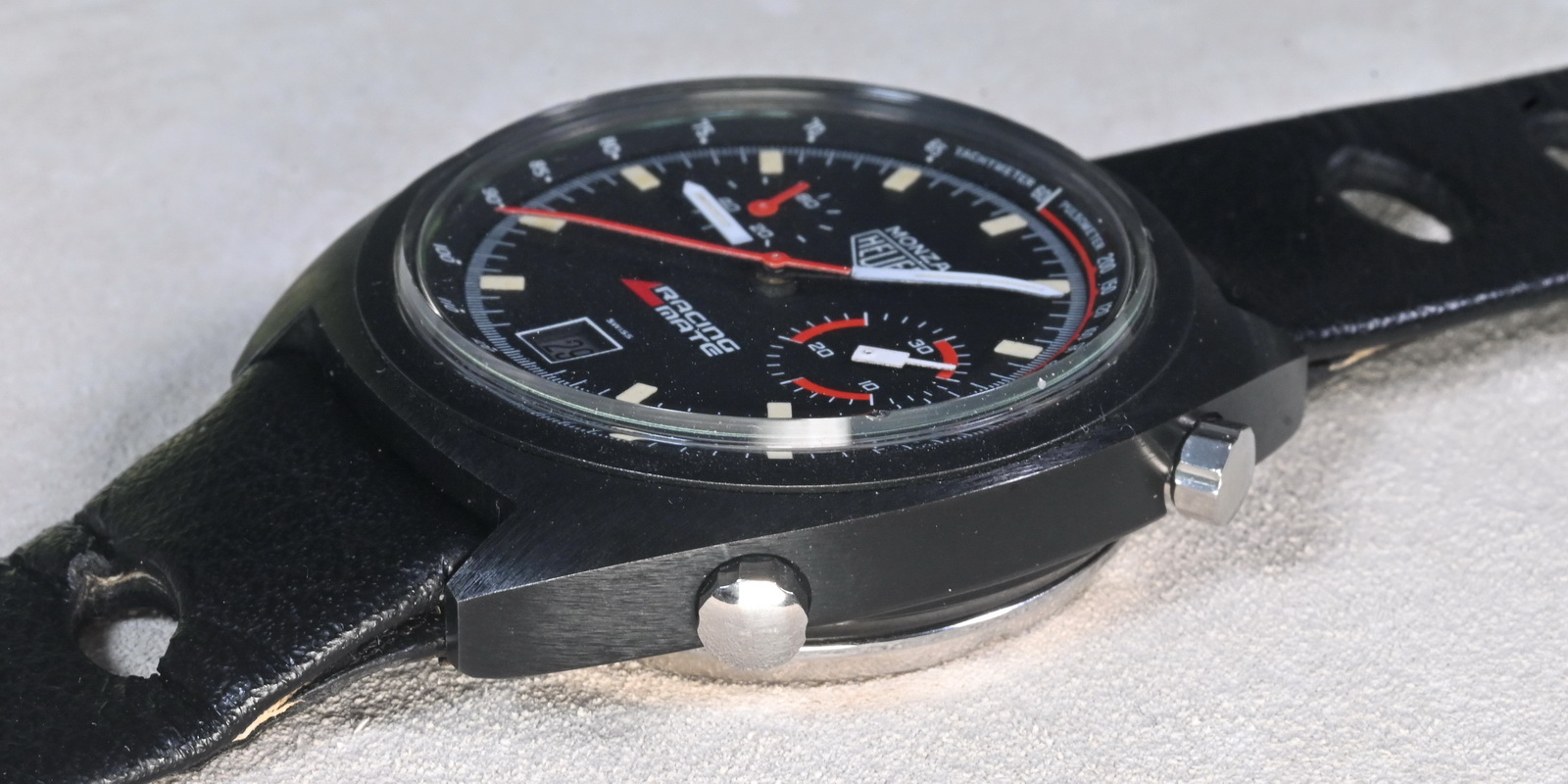
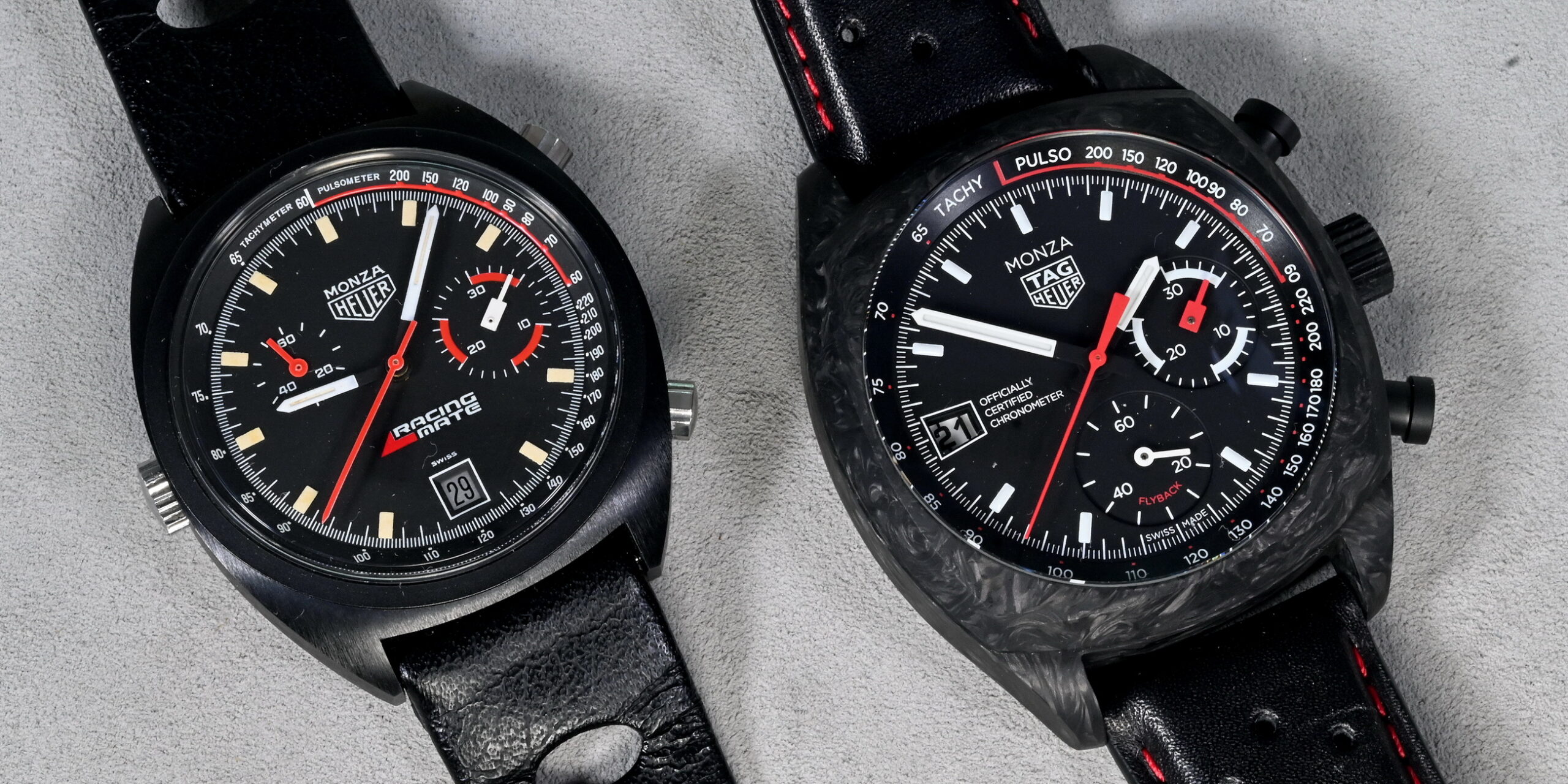
To create the Monza, Heuer took the C-shaped, stainless steel case of the Carrera, which it had been using since 1969, and produced a version using a black-coated brass case. The black-chromium coating was applied through a plasma deposition process, producing a deep black, grained finish.
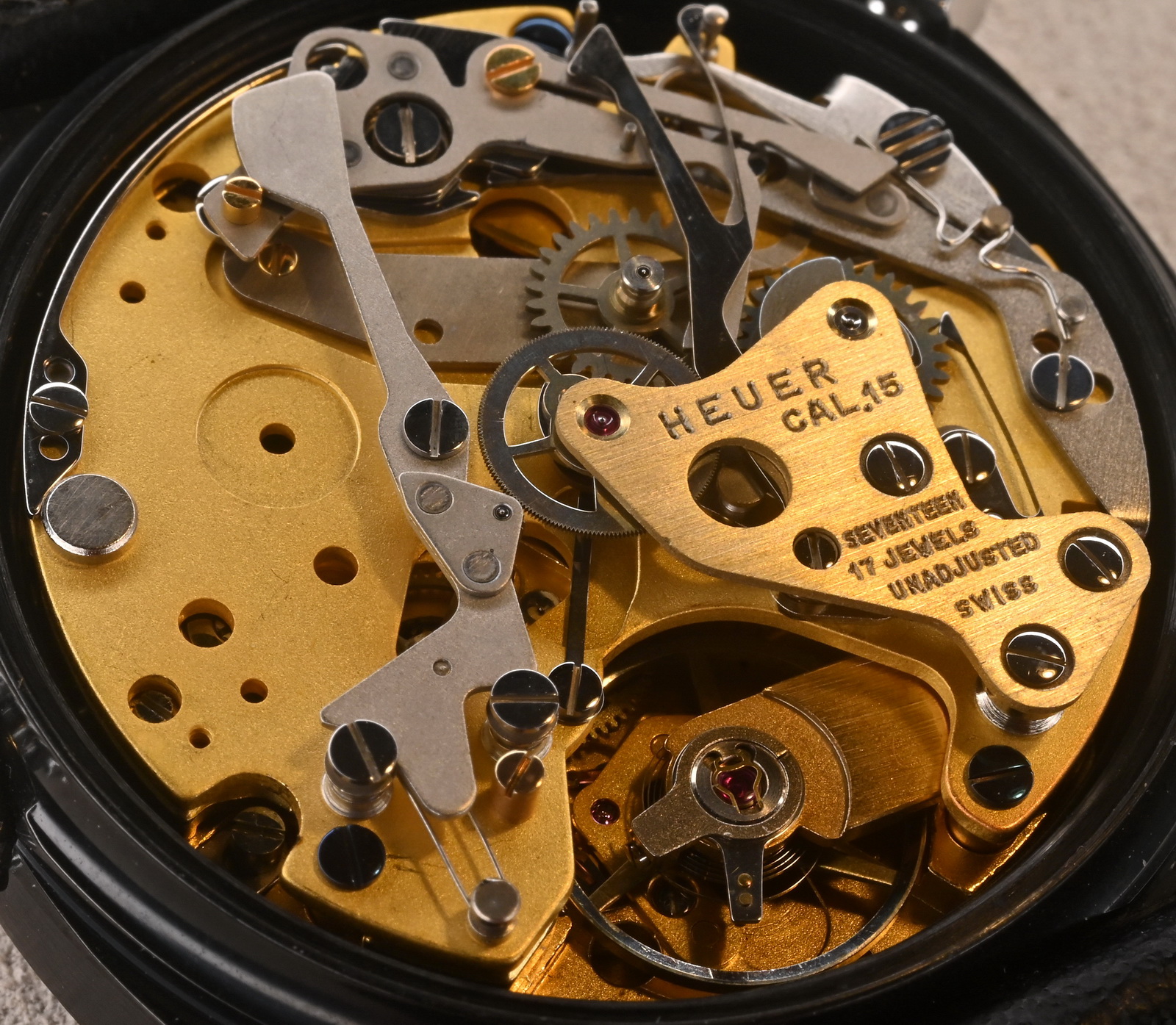
Heuer also saved on the production costs and retail price by using the Calibre 15 movement, which Heuer had introduced in 1972, as an economy version of its Calibre 12. The deletion of the hour recorder (so that the Calibre 15 has only a 30-minute chronograph recorder) and the use of a less expensive shock-proofing system allowed Heuer to offer less expensive chronographs. Heuer’s 1977 catalog lists the Calibre 15 Monza at $219, compared with the Calibre 12 models in stainless steel cases, priced in the $345 to $365 range.
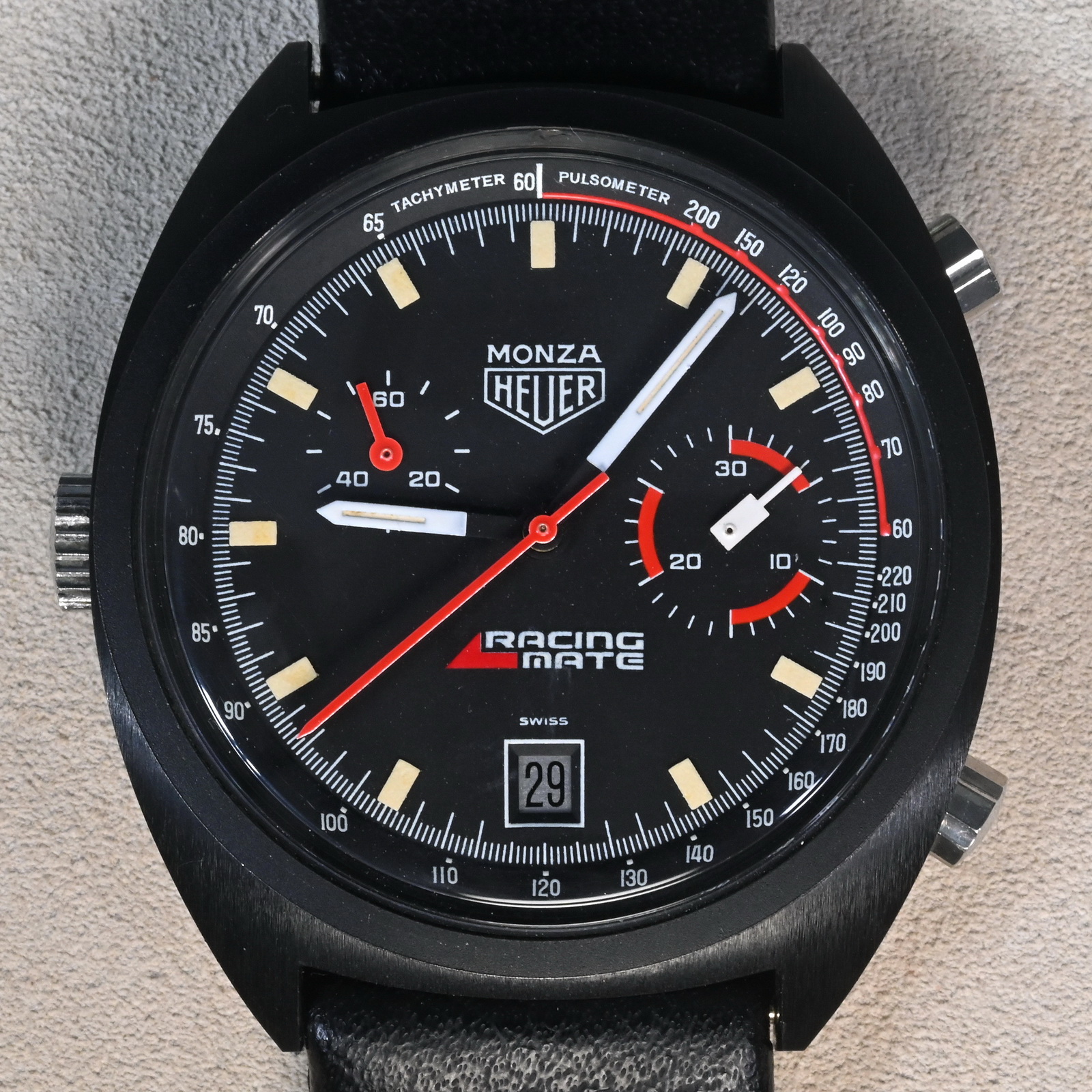
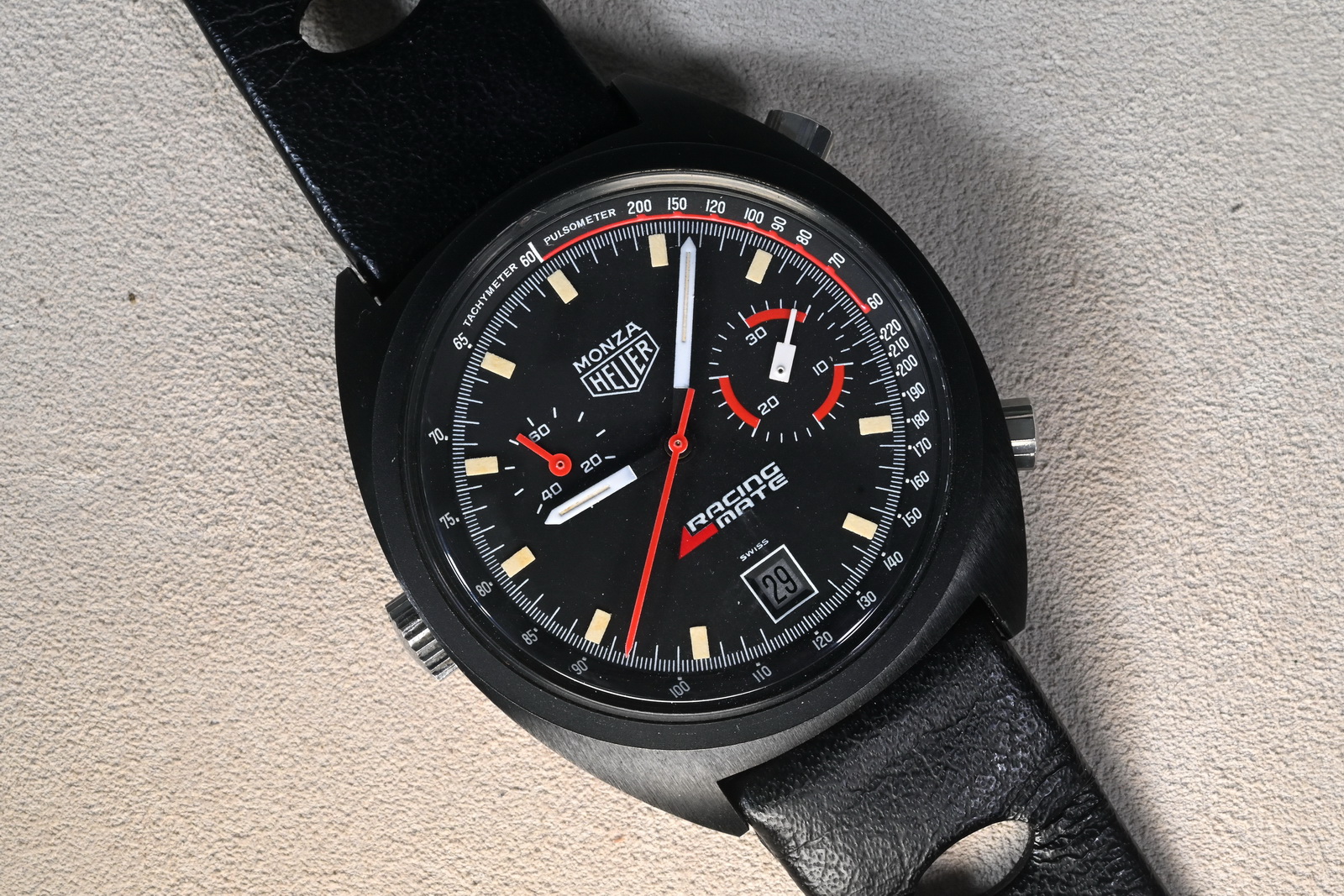
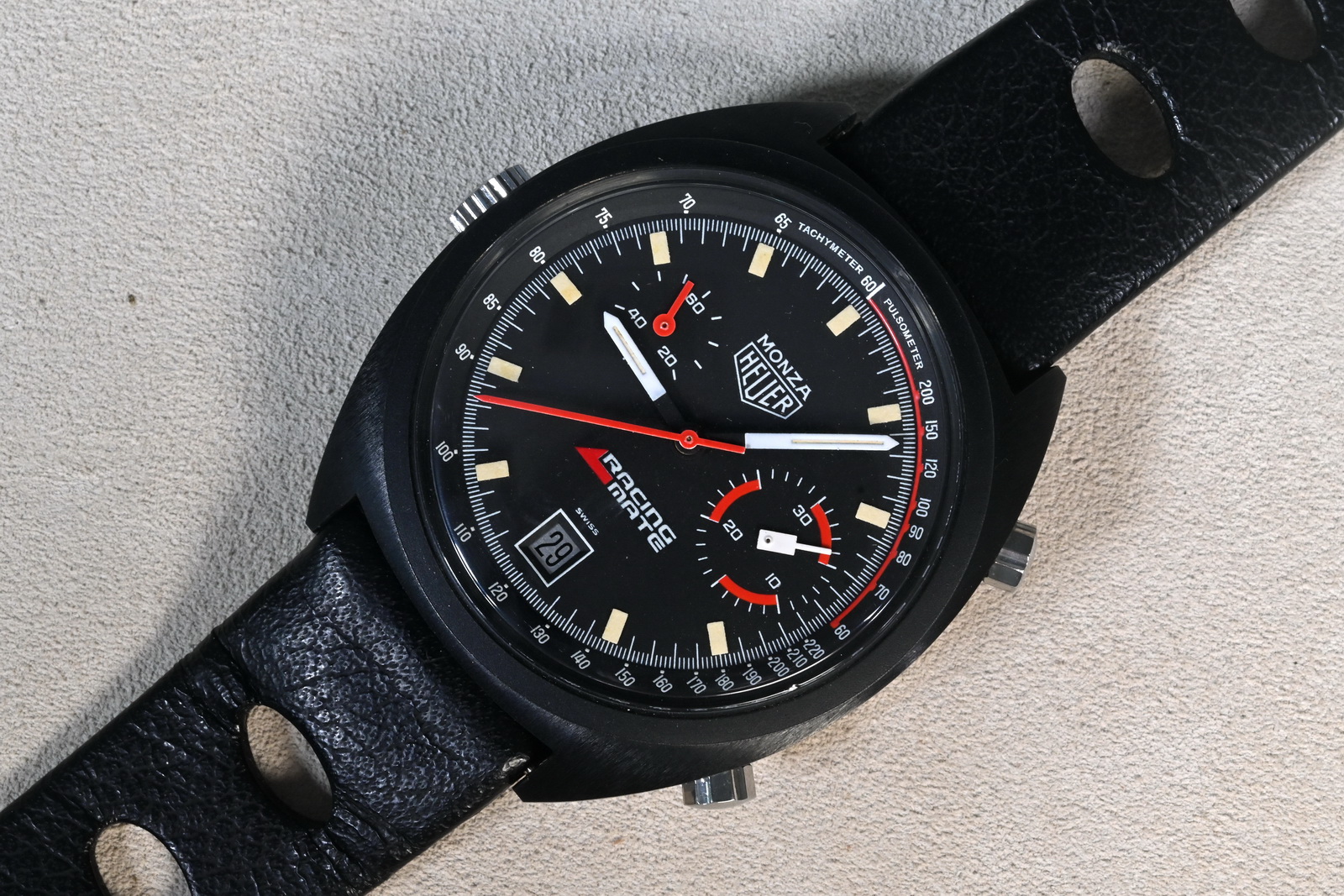
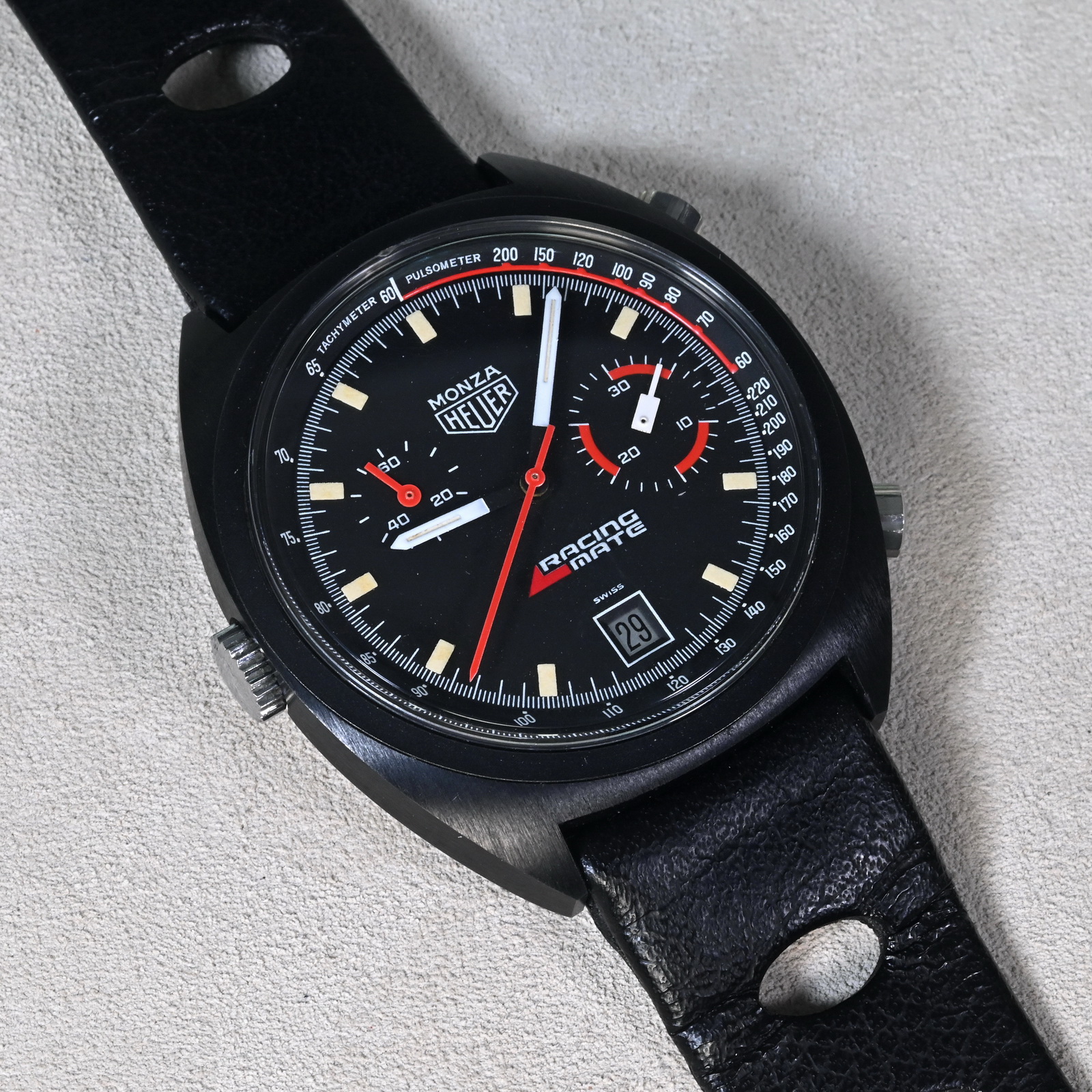
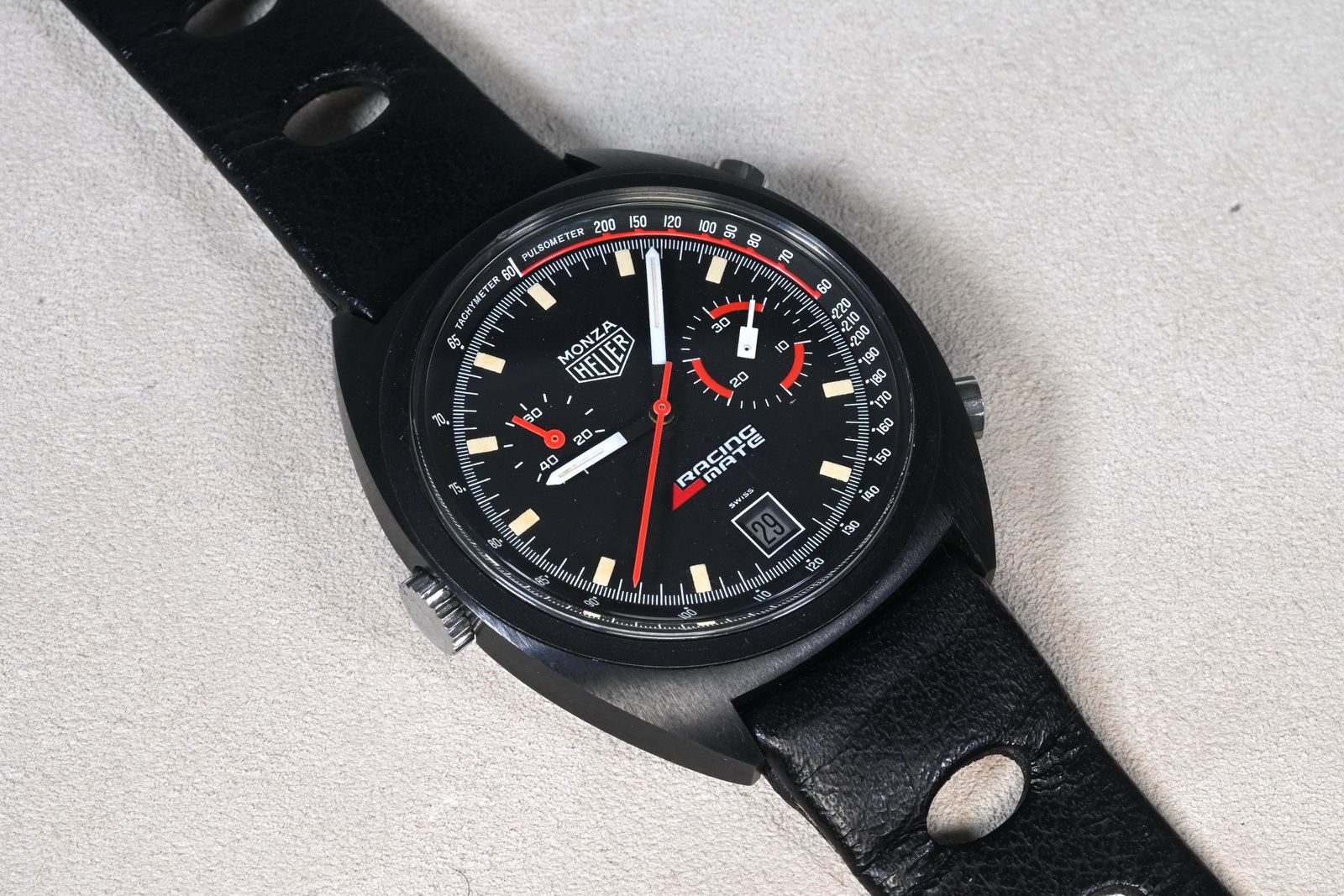
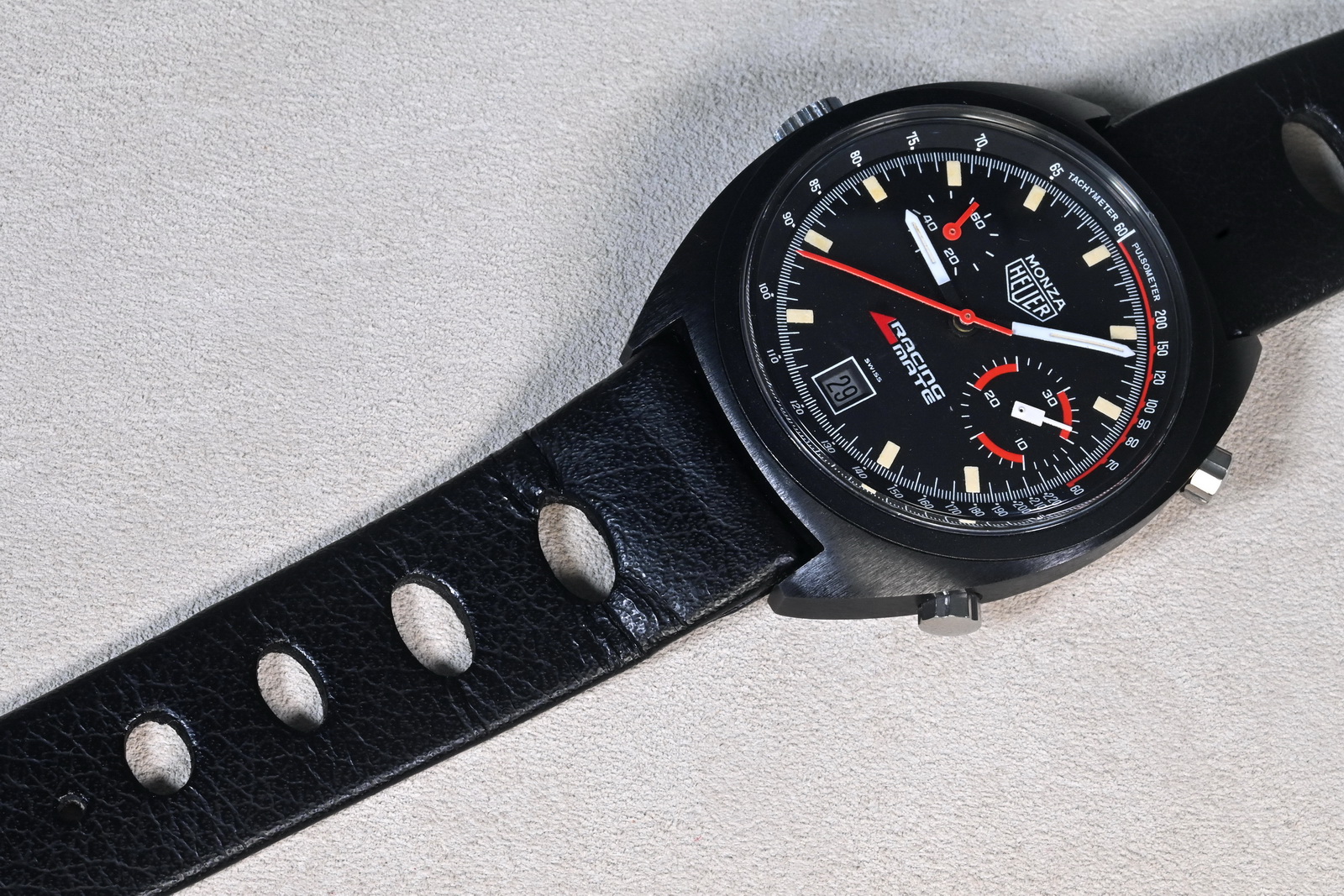
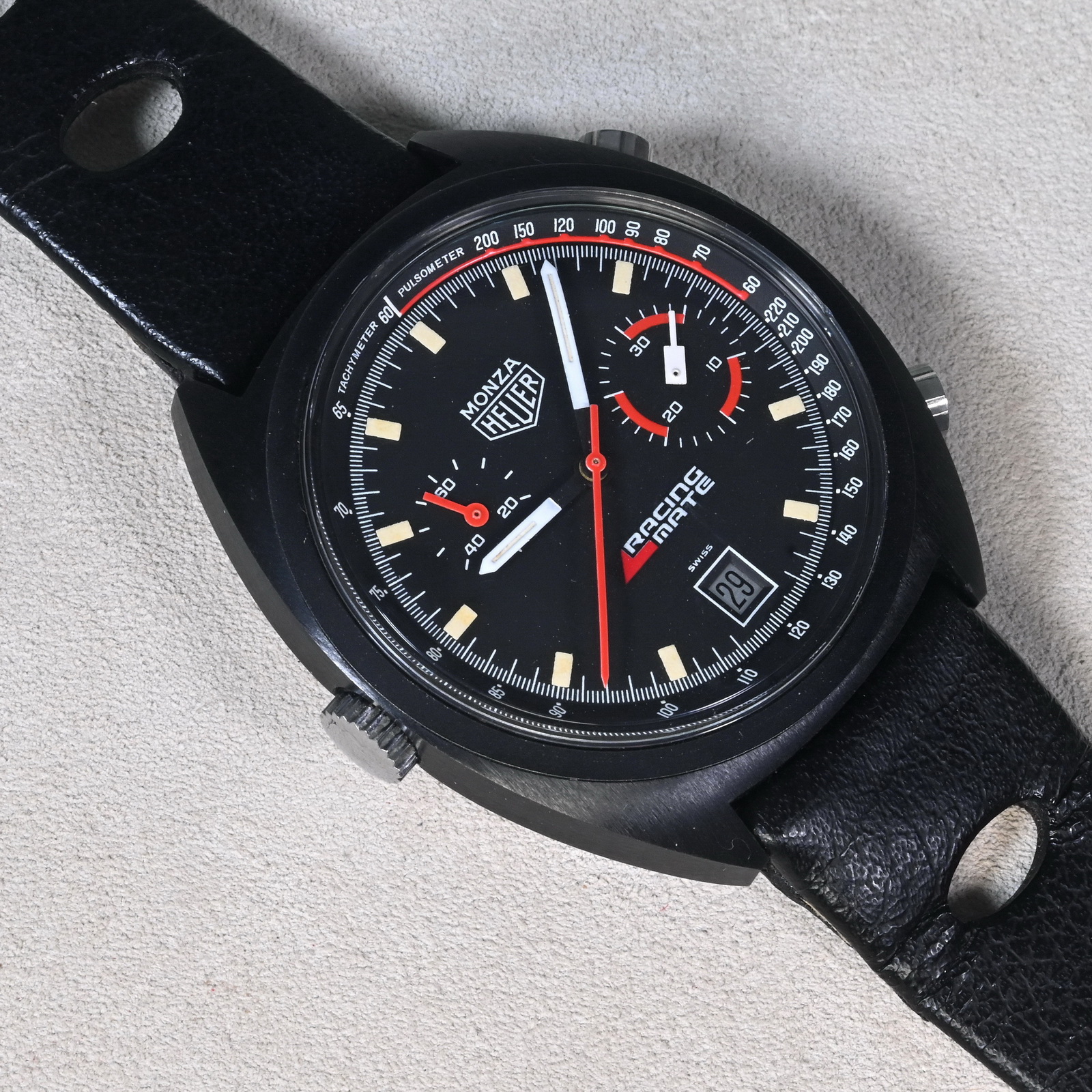
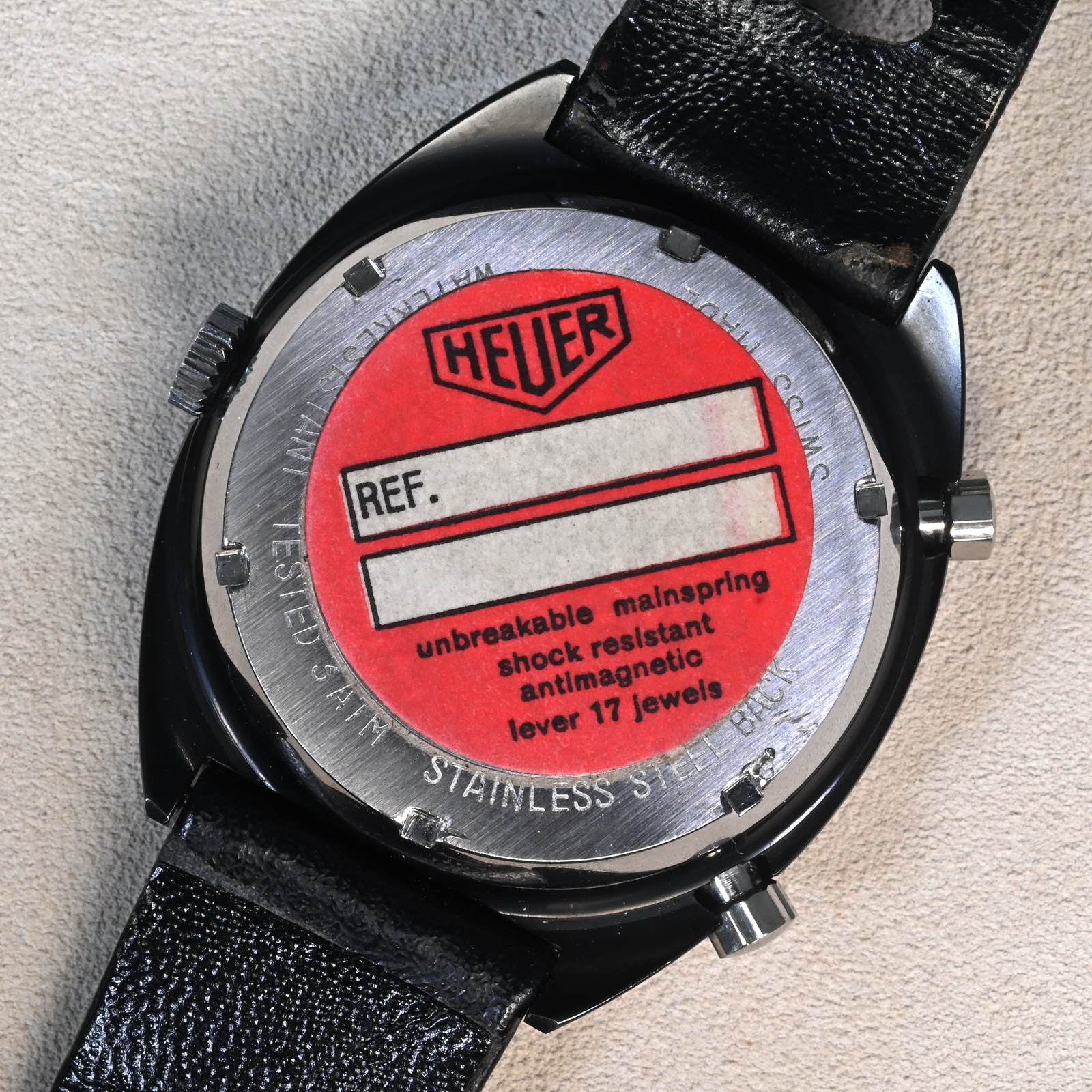
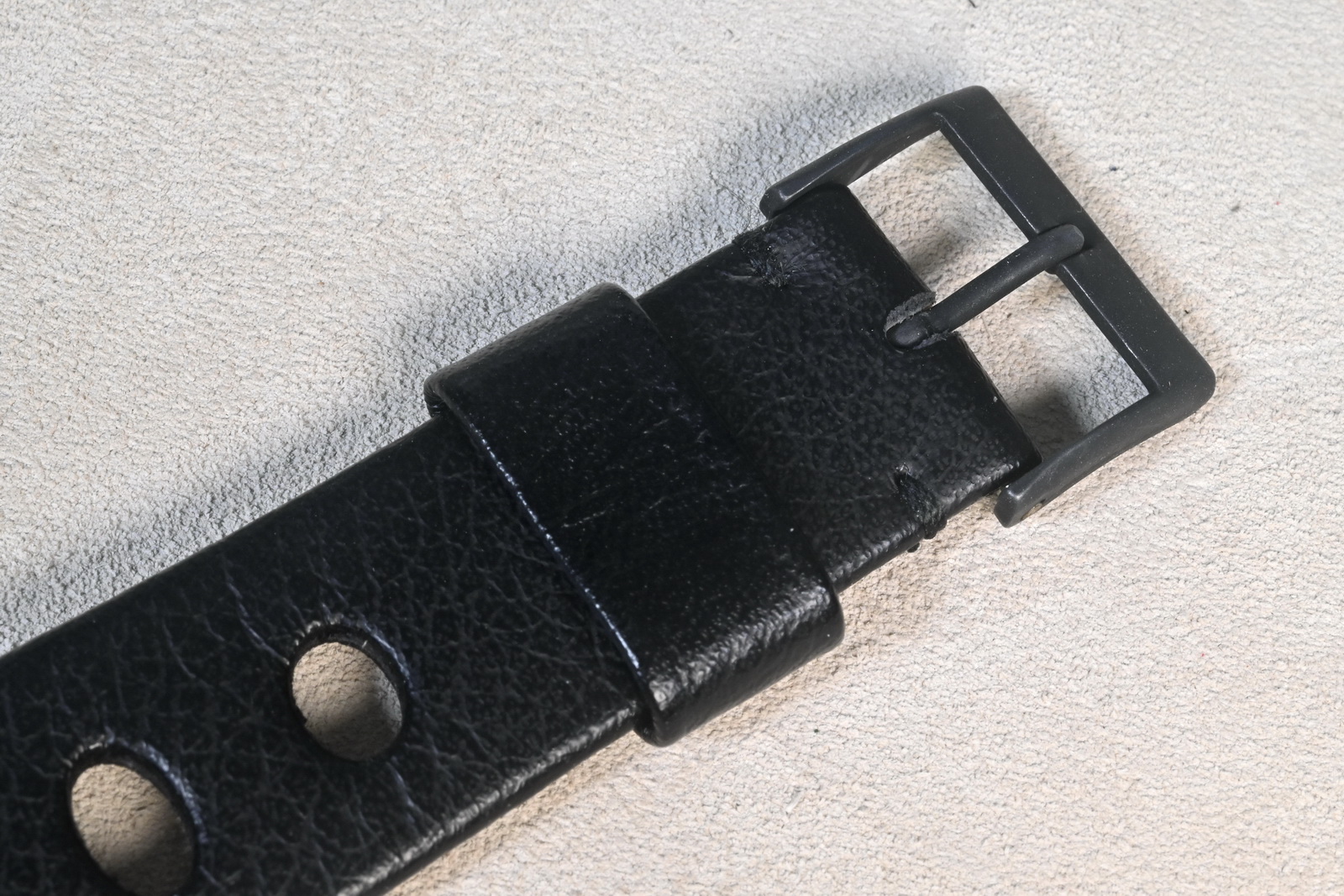
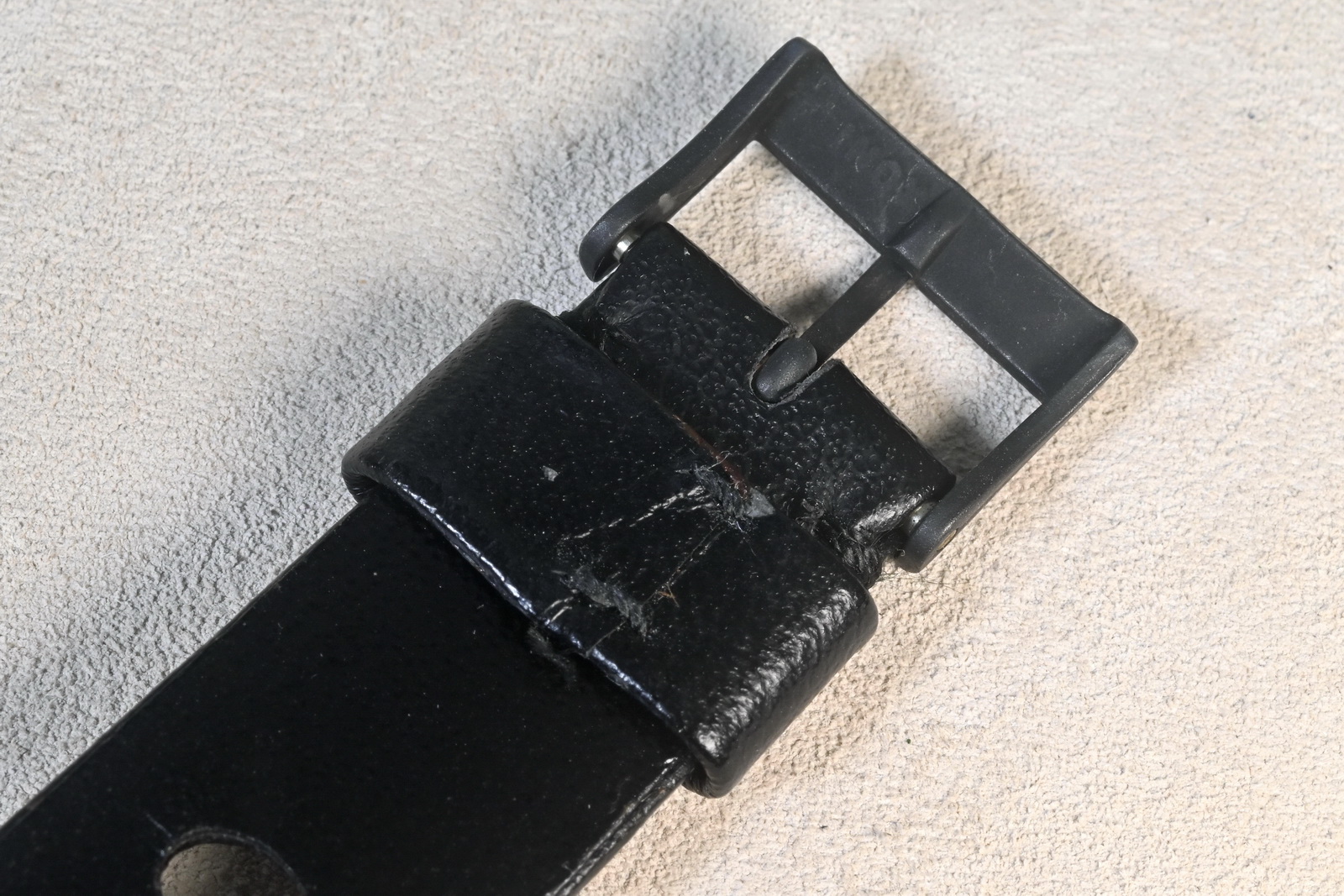
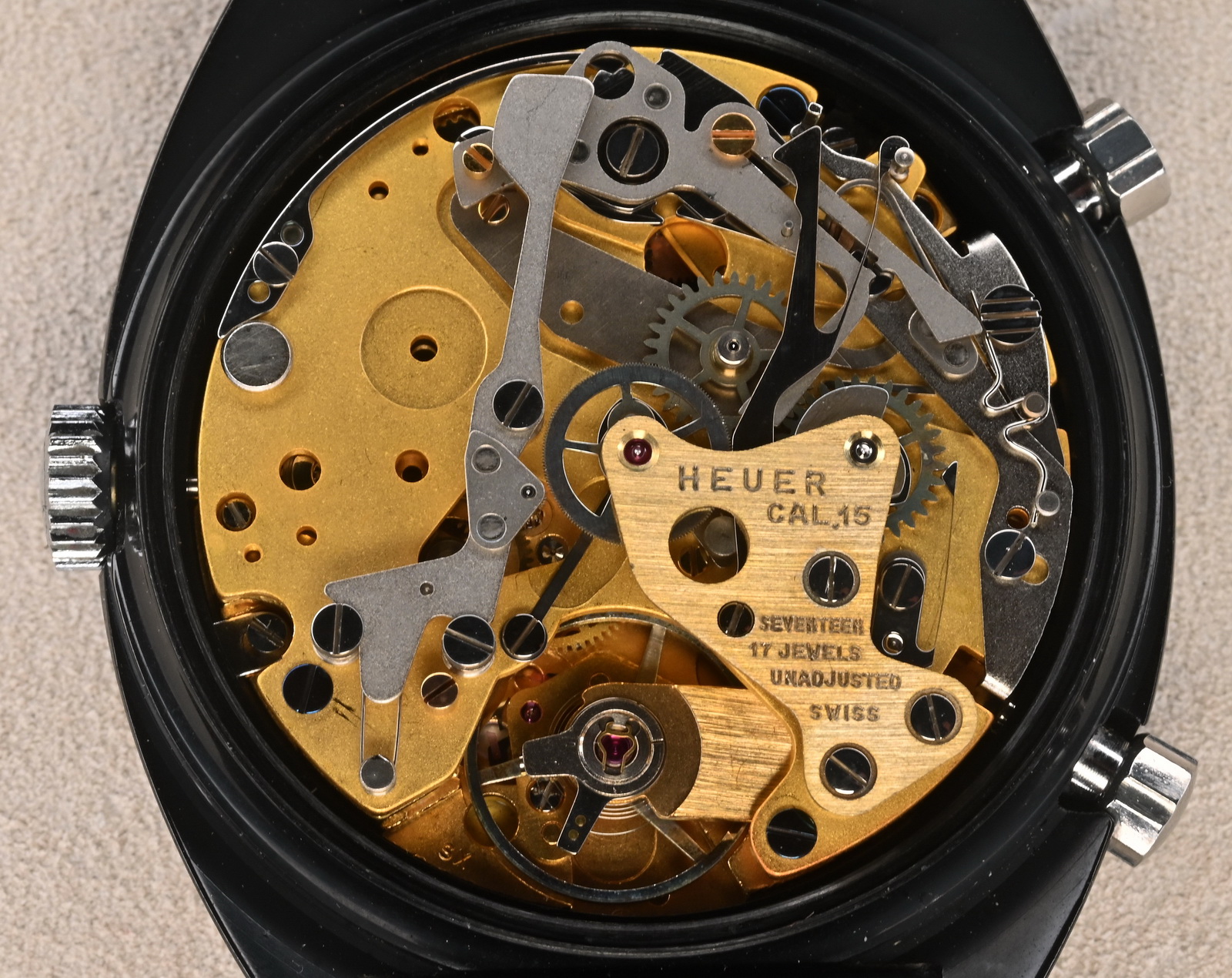
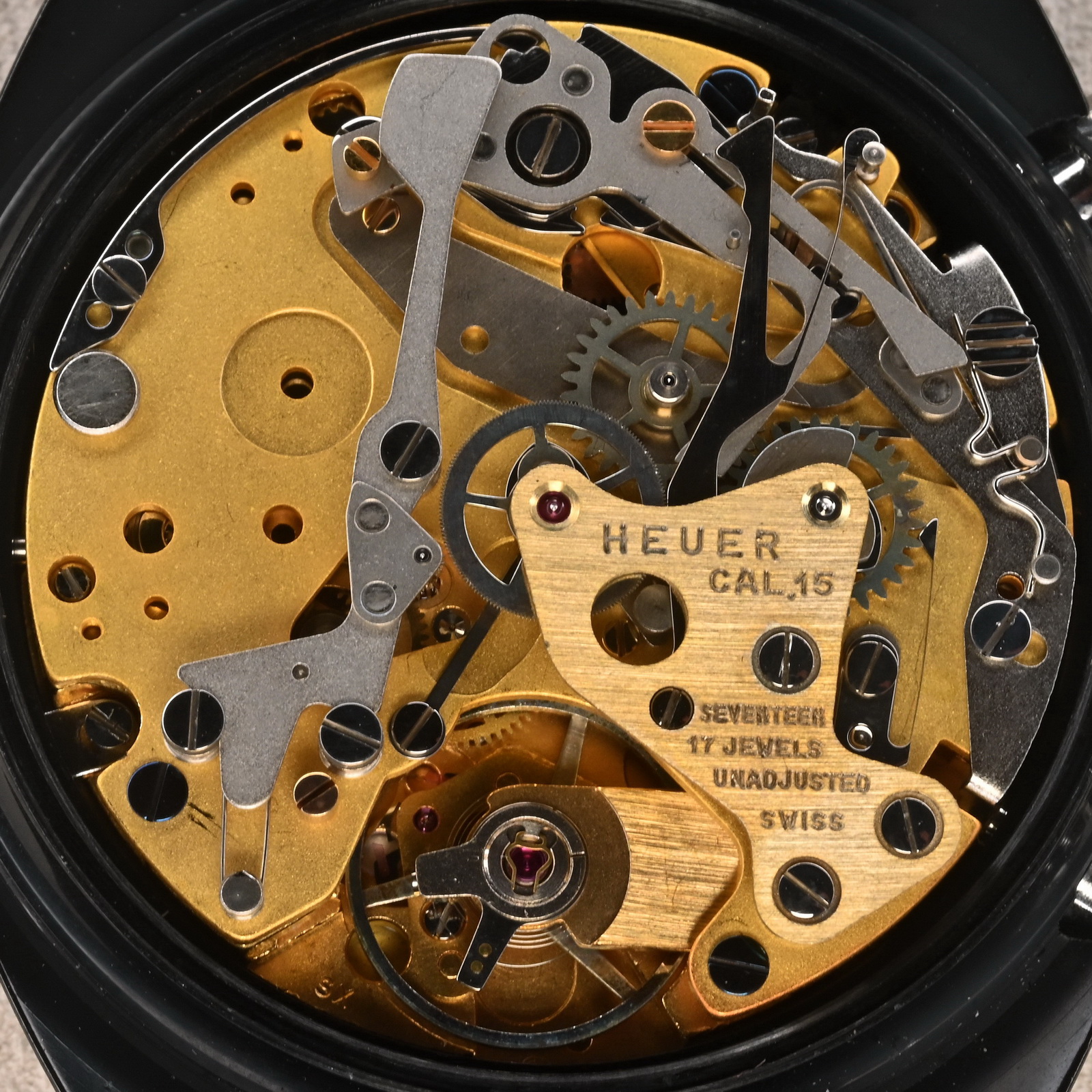
The Monza was Heuer’s first chronograph to use a black-coated case, and in 1977 Heuer would introduce black-coated versions of the Carrera, Montreal and Monaco, as well as some “economy” models (the Reference 12 and the Reference 13-1 models). While its black-coated case gets most of the attention, the new Monza offered a style of dial and hands not previously used by Heuer on any of its collections – a matte black dial, with matte black registers, and bright white hands for the time-of-day. The instrument style of chronograph was popular in the 1970s, and the dramatic black and white of the Monza captured the look of gauges on the dashboards of racecars, providing optimal legibility.
50 Years Later – TAG Heuer Monza Flyback
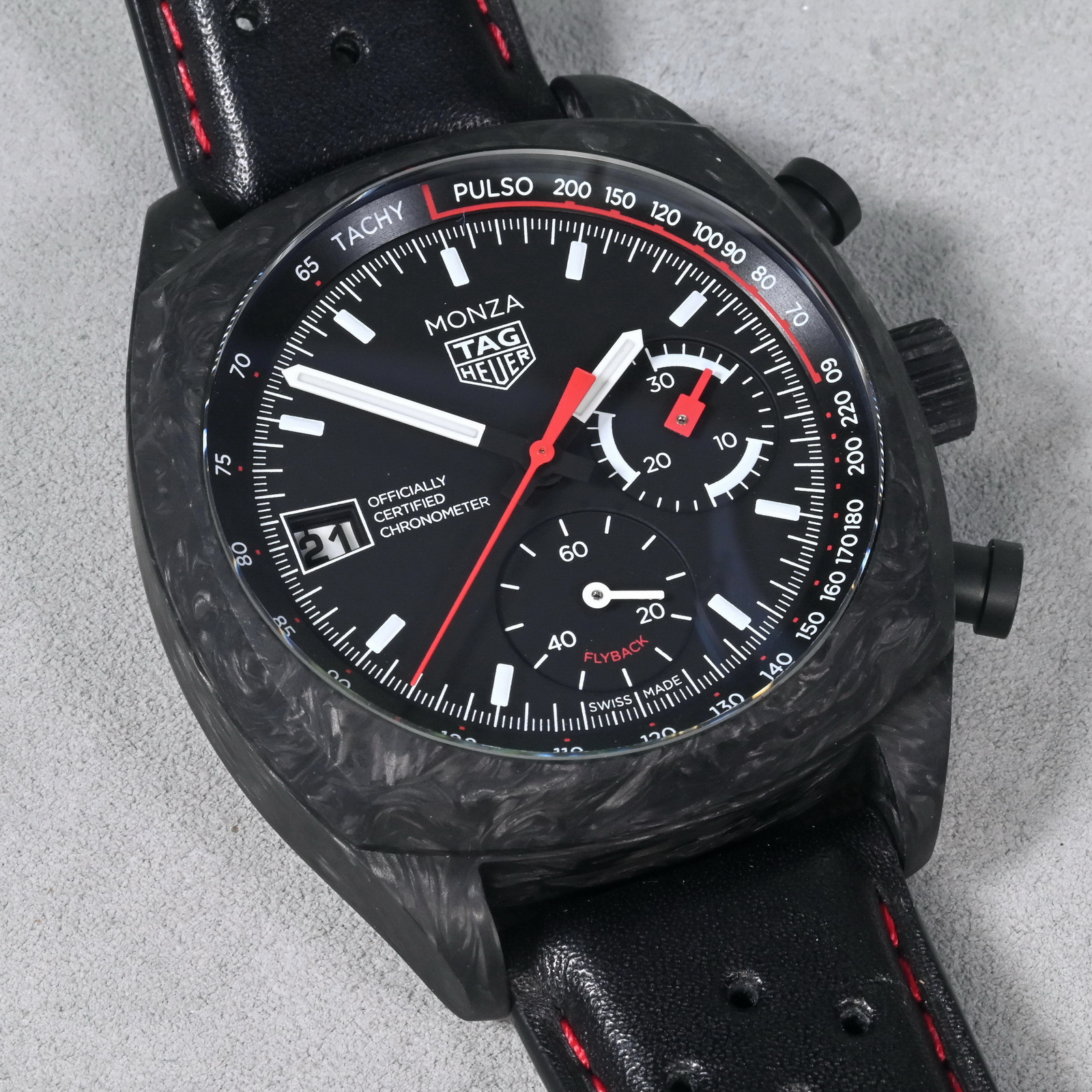
We include full specifications for the new Monza Flyback below in this posting. A quick description of the watch is as follows –
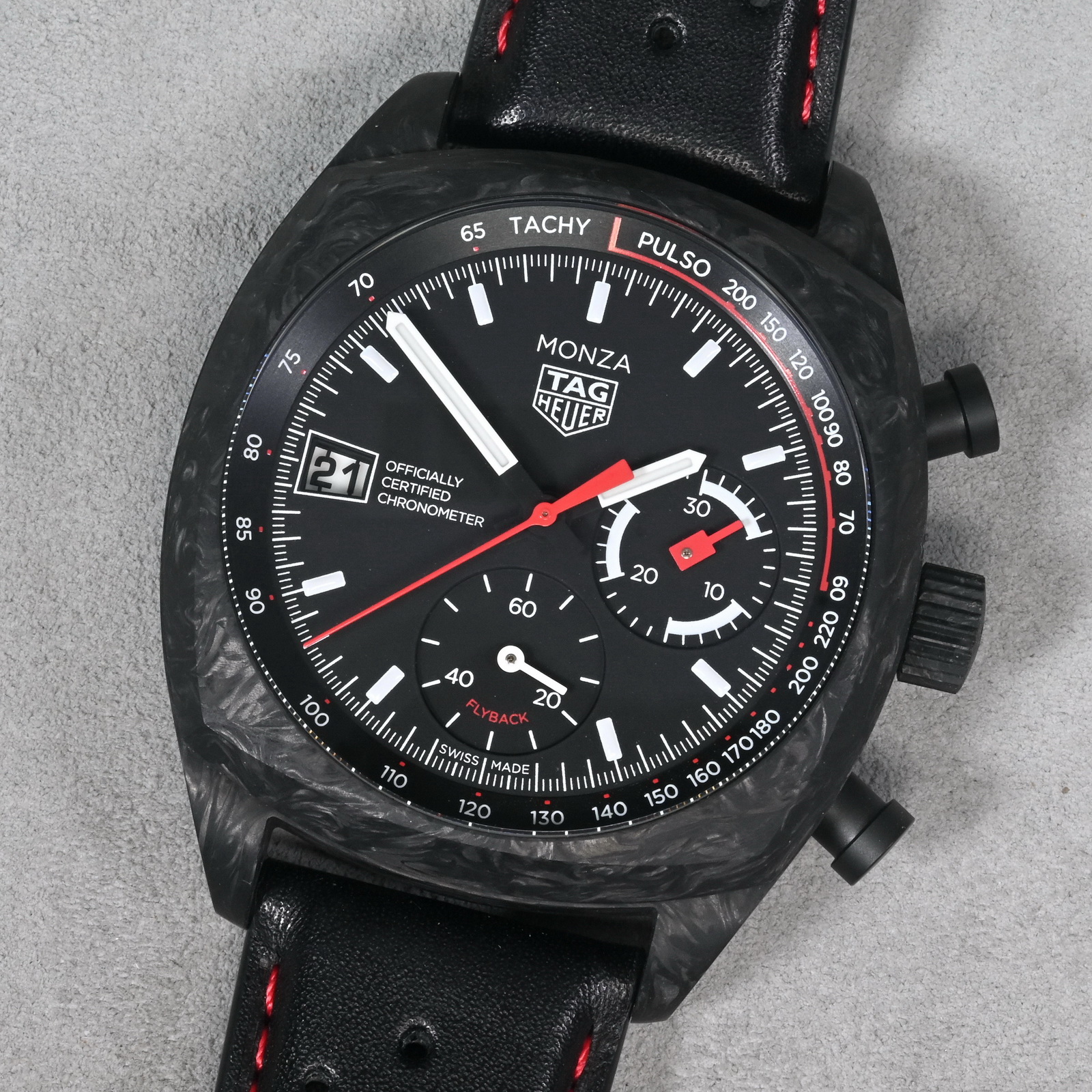
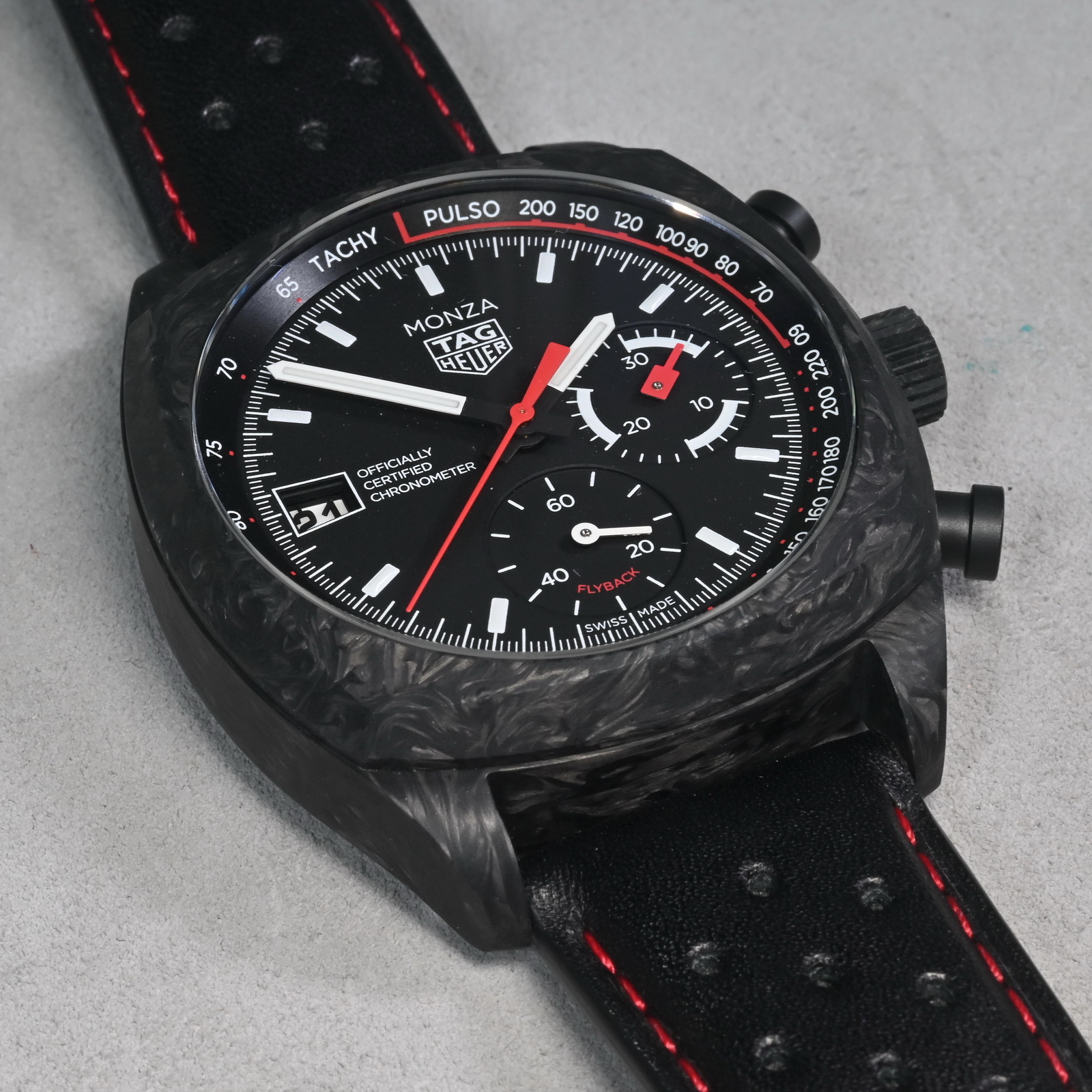
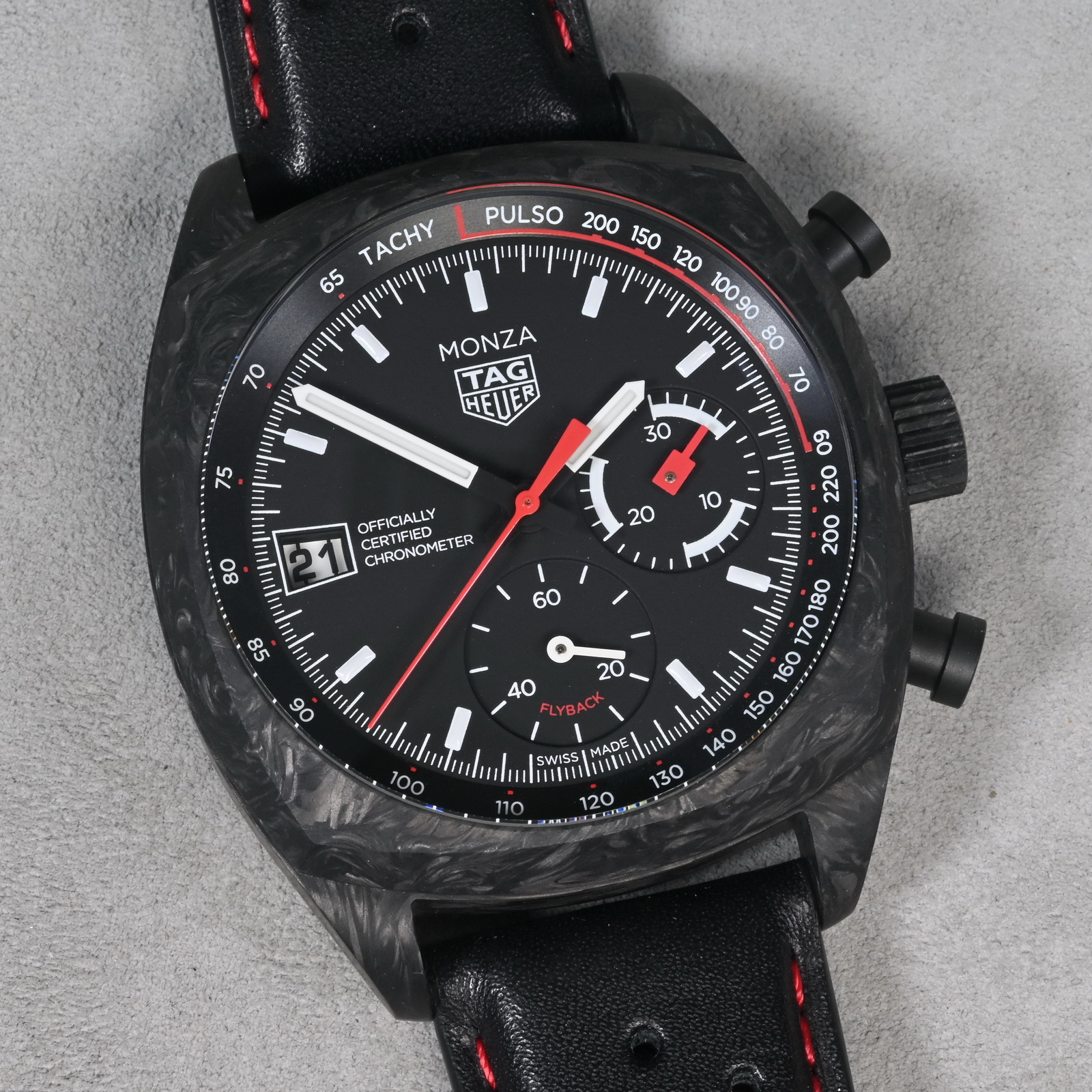
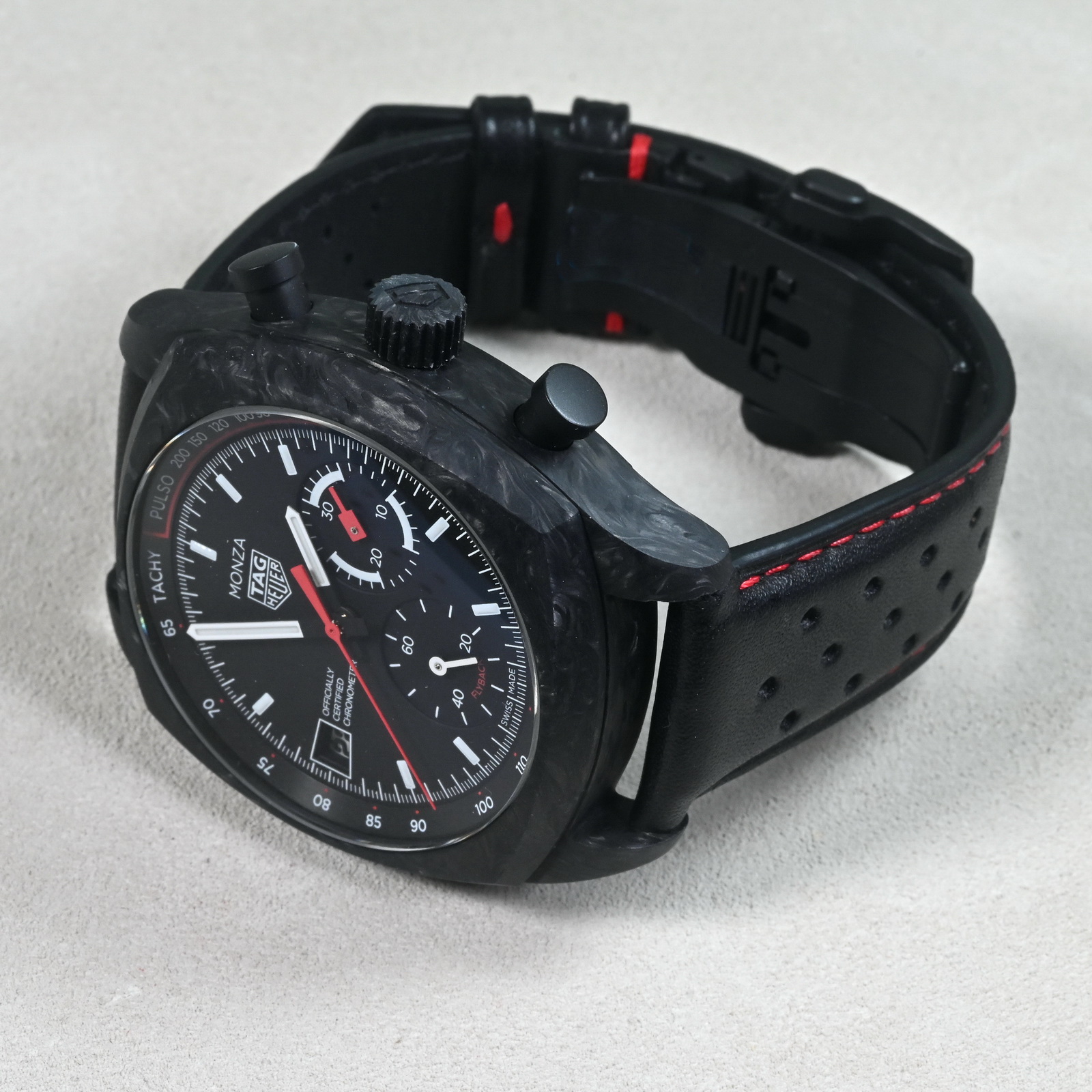
A two-register chronograph with a black dial and black registers, with chronograph minutes at 3 o’clock and running seconds at 6 o’clock. Bright white for the time-of-day hands, as well as indices and hashmarks on the dial. Inner flange has Tachymeter and Pulsations scale, printed in bright white. Movement is the TAG Heuer Calibre TH20-12, a COSC-certified chronometer with a flyback feature. Forged carbon case is 42 millimeters across the dial and 15.3 millimeters thick. Black leather strap with red stitching and black coated deployant buckle.
A Weekend on the Wrist
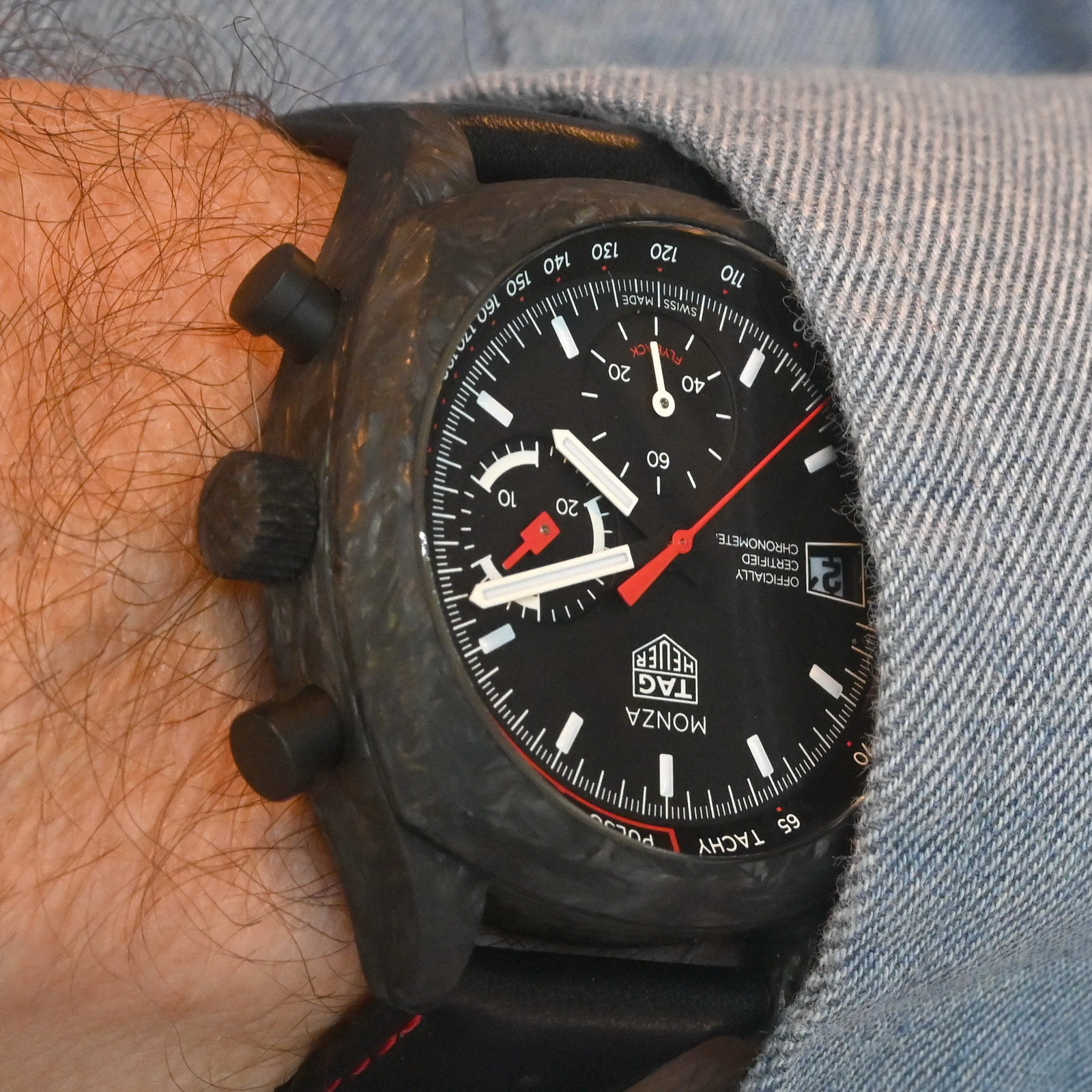
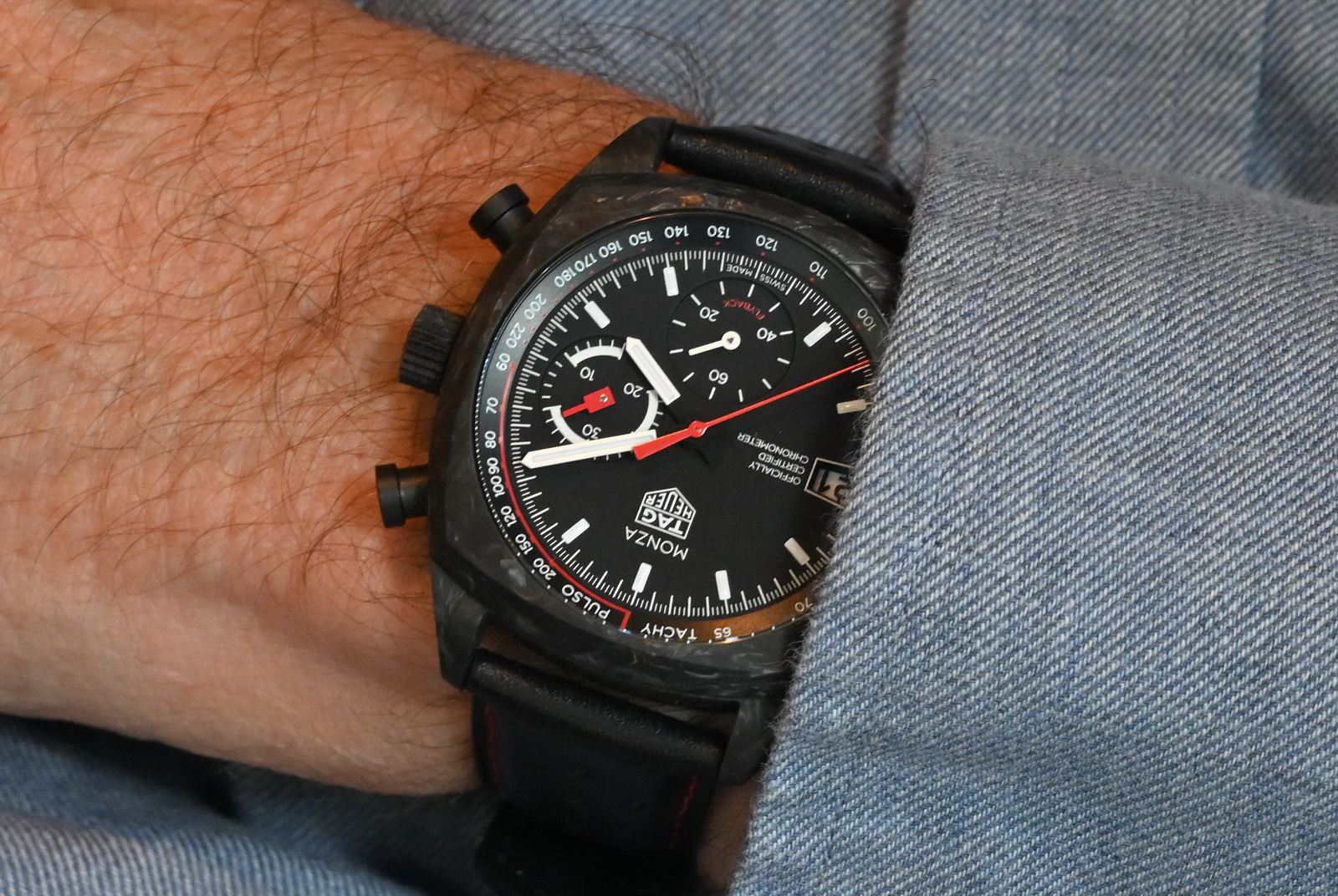
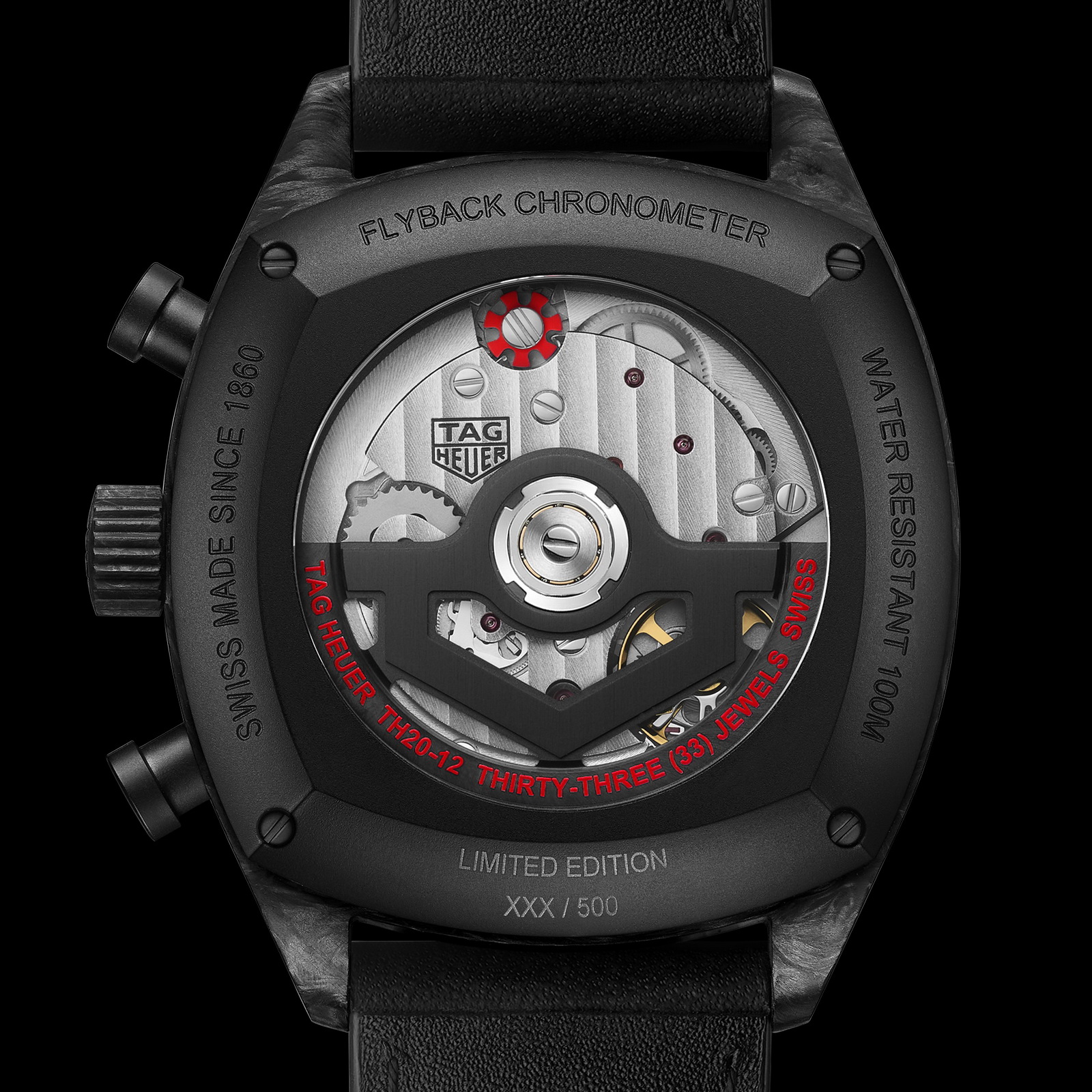
A Black and White Instrument – The black and white of the original Monza from 1976 offered excellent legibility, and – on my wrist — the first things that I notice about the new Monza Flyback Chronograph are the clarity and legibility provided by the dial and hands. The dial appears to be large and open; the bright white hands and markings on the dial are strong and bright, providing excellent contrast with the matte black dial. The crystal is bright and offers a great view of all this. The white lume is excellent in both darkness and low light, providing just the right amount of brightness.
With a Touch of Psychedelia — The marbled carbon fiber case of the Monza provides a playful contrast to the very precise, flat, instrument-like dial and hands that it holds. The spots and patches of the carbon offer an almost kaleidoscopic look, catching the light in different ways, with each movement of my wrist. Yes, the new Monza pays tribute to a watch from the 1970s, so why not mix in a touch of psychedelia?
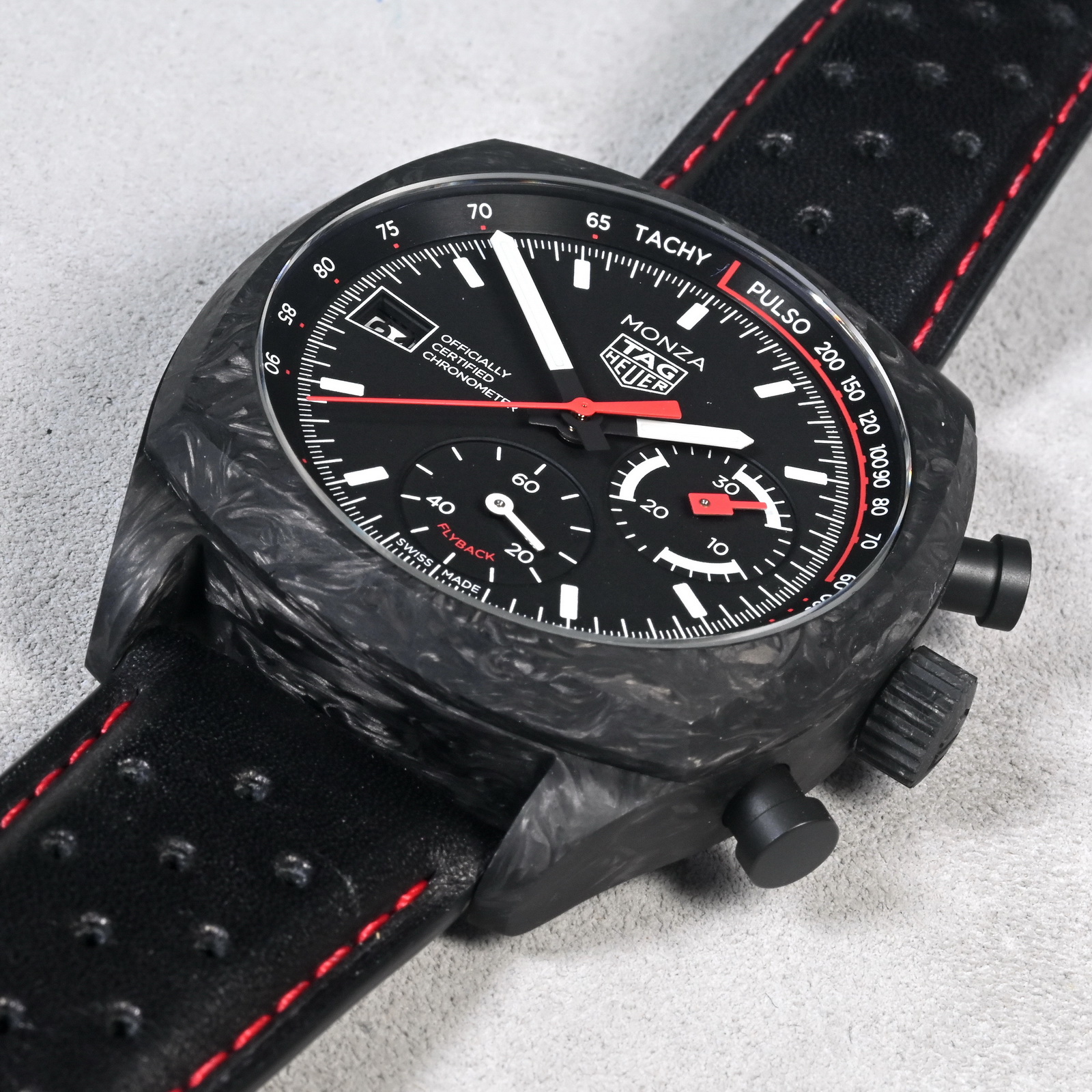
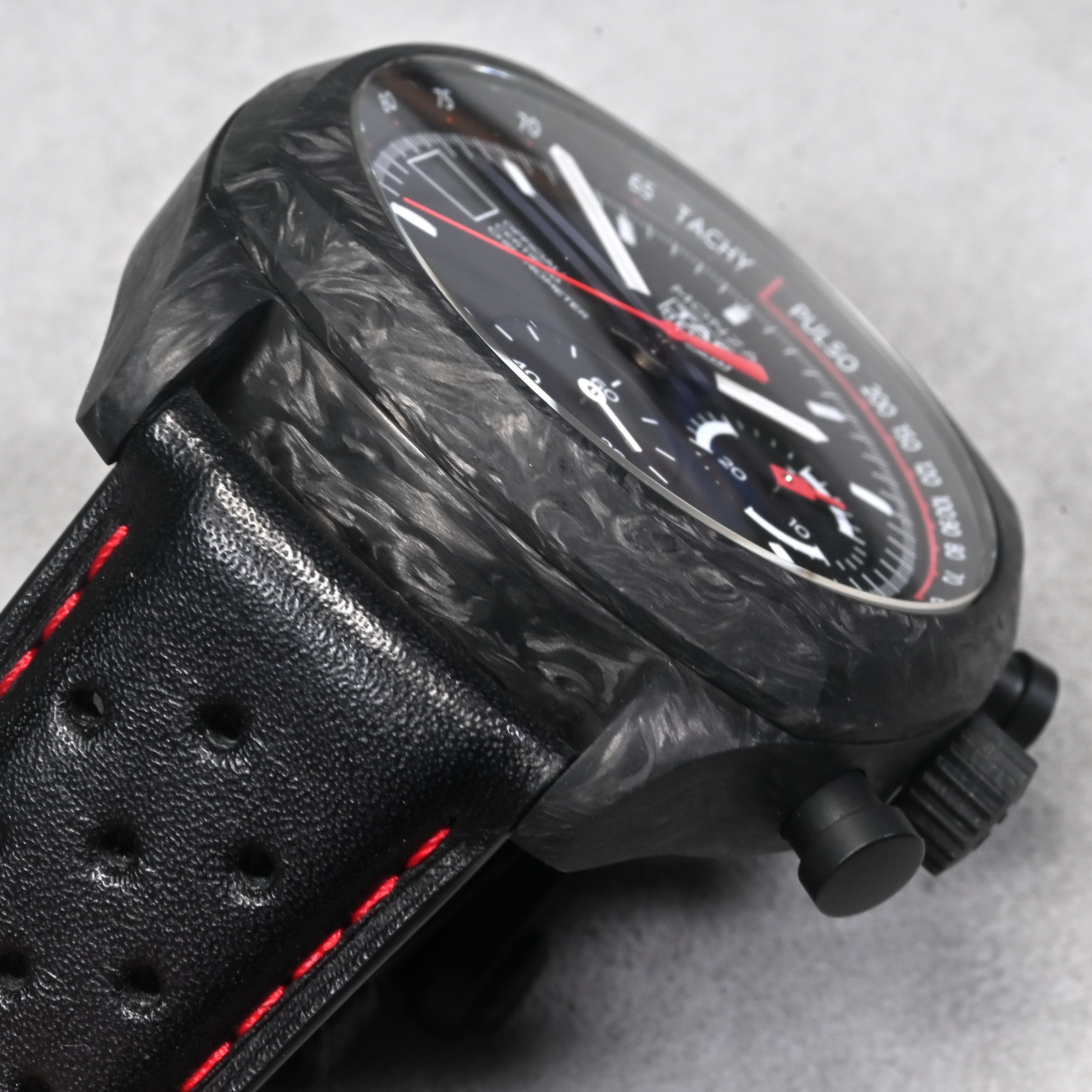
Red is for Racing (and So Is Carbon)— Heuer began incorporating red accents in its racing chronographs in the late 1960s, continued this with the original 1976 Monza, and the newest Monza Flyback Chronograph honors this tradition. TAG Heuer uses red for the chronograph minutes and seconds hands, the line along the Pulsometer track, the “Flyback” printed at the bottom of the dial as well as the stitching on the black leather strap. The use of forged carbon for the case provides another connection to racing, with carbon fiber composited being a critical material in today’s Formula One cars.
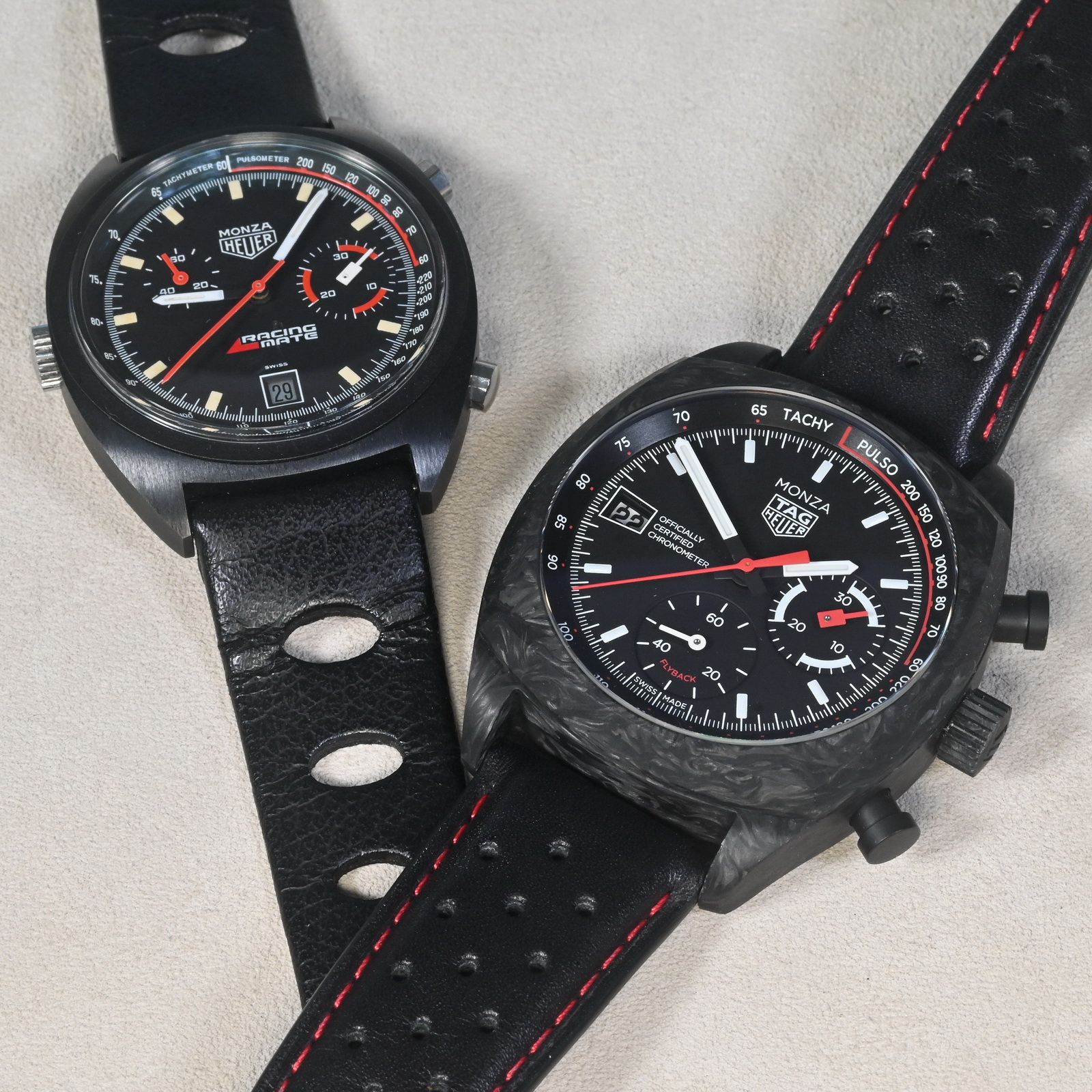
Asymmetry with a Purpose — The asymmetry of the registers was one of the original defining visual characteristics of the original Monza, with the larger minute recorder and smaller running seconds being at different “latitudes” on the dial. The chronograph minute recorder at 3 o’clock is larger and more visually assertive, while the running-seconds register is smaller and quieter. On the modern Monza, this asymmetry is even more pronounced, producing a dial that feels dynamic and slightly unsettled, appropriate to a racing chronograph. Functionally, it also establishes a hierarchy: elapsed minutes (above) matter more than running seconds (below).
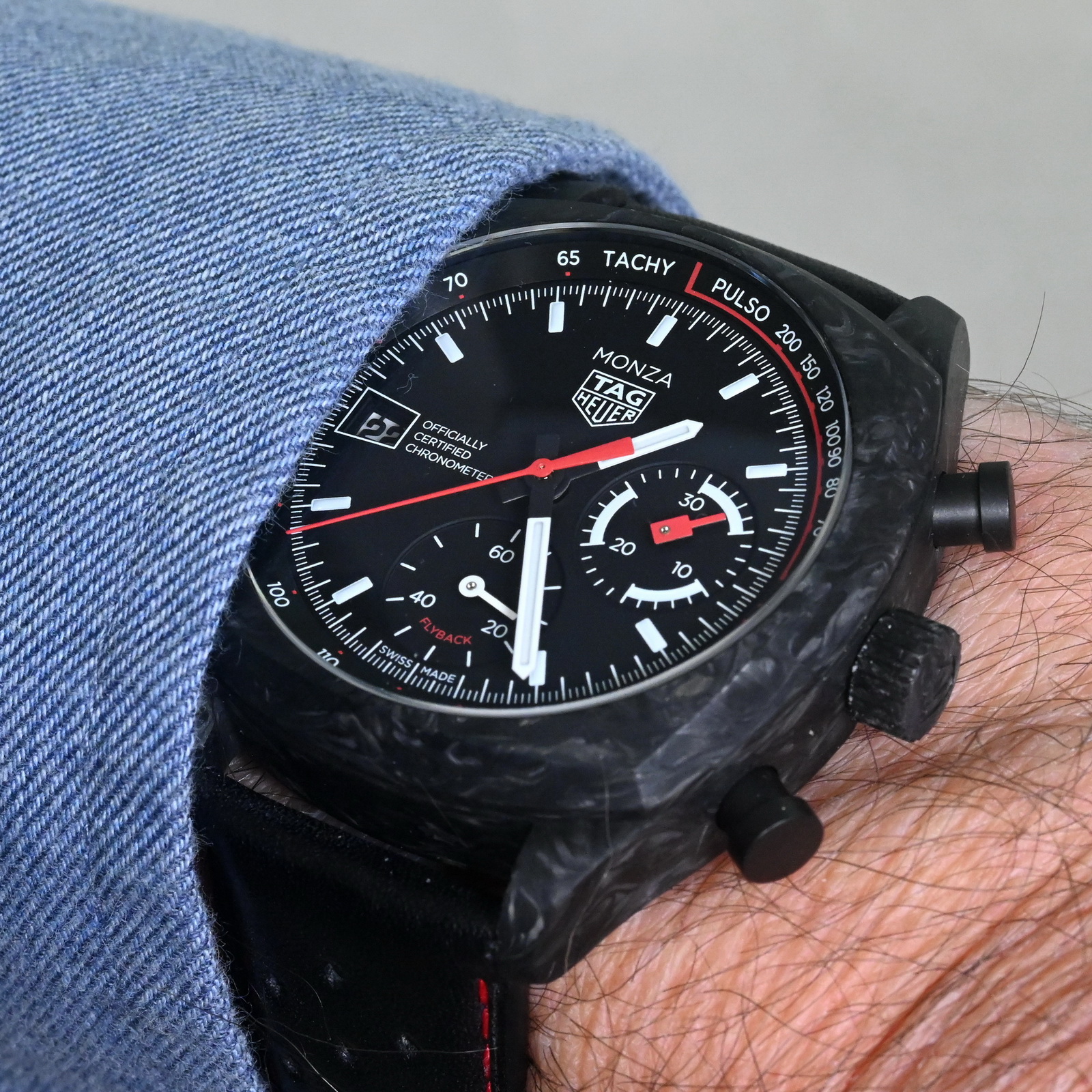
Comfortable – 42 millimeters is just about the limit for my 6-3/4 inch wrist (172 millimeters), but the new Monza works well for me. The 72 grams of carbon fiber doesn’t feel heavy on my wrist – the vintage Monza weighs in at 65 grams — and the leather strap controls it well, providing a nice balance and a comfortable fit. The watch is 15.3 millimeters thick but somehow avoids the feeling of being top-heavy.
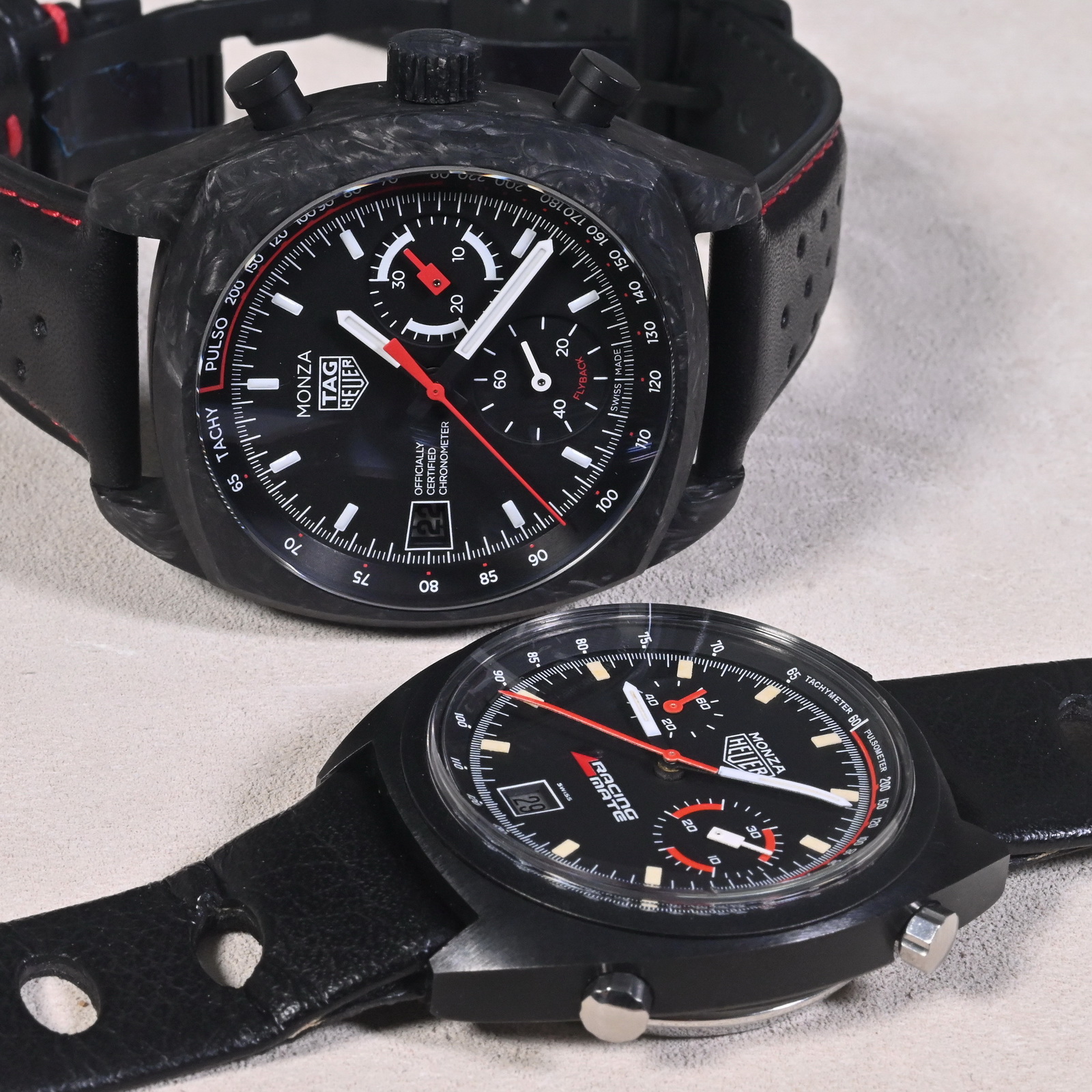
Operates Well – One of the real advantages of modern watches over their vintage predecessors comes in the reliable setting and setting, as well as operation of the chronograph. The newest Monza sets precisely, the winding is smooth, and the operation of the chronograph is crisp and quick. All this is as it should be on a modern chronograph, and it’s one of the reason that I like having a couple of the TAG Heuer chronographs on the “grab and go” shelf of the safe.
The Verdict – Does the New Monza Flyback Chronograph Belong in a Vintage Collection?
In chatting with a writer about the type of modern TAG Heuer chronograph that I might want to add to my collection, I suggested a three-part test, as follows — (1) the new watch must capture the spirit of a well-respected (or even beloved) vintage chronograph, (2) it must incorporate a modern movement and / or materials to “improve” the performance or look of the watch, and (3) it should capture an important moment or chapter in Heuer’s history. The more I have thought about this, the more I have realized that this “three-part test” only answers the question of whether I believe that a re-issue of a vintage watch will be appealing to those who collect vintage watches. It’s almost an “objective” test.
The decision of whether or not a particular collector will decide to purchase a re-issue of a classic watch will depend on several additional factors. These “secondary”, more personal factors will include matters such as whether the watch appeals to the collector’s eye (and feels and looks good on their wrist) and whether the collector sees the watch as being fairly priced, in a range that is “affordable” to the collector. For example, I look at the $150,000 Monaco Split-Seconds chronographs as perfect examples of watches that did well in the initial “three-part test”, but were removed from my “Most Wanted” list on the basis of one of the secondary factors (specifically, the price of the watch and my comfort level with buying a watch at that price).
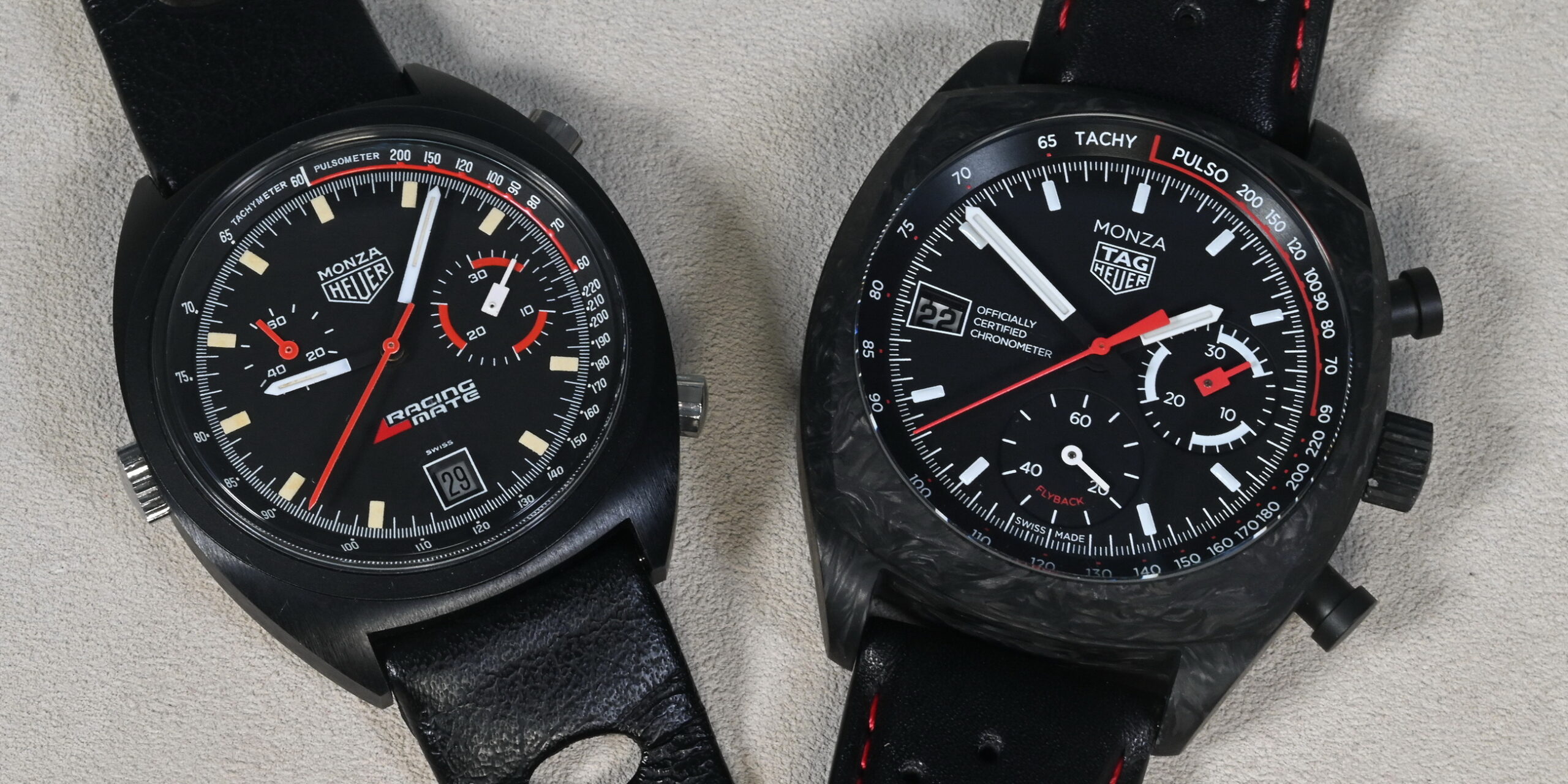
So the verdict TAG Heuer’s new Monza Flyback Chronograph is easy. It easily passes our three-part, more objective test. The original Monza from 1976 celebrated an important moment in the history of the Heuer brand — Heuer’s participation in the partnership that won the Drivers’ and Constructors’ Championships for Ferrari in 1975 and the creation of the Monza chronograph in 1976. The newest Monza takes that as a starting point, then incorporates TAG Heuer’s TH20-12 movement, and packages the whole thing in a forged carbon case that satisfies modern preferences for watches that provide more presence on the wrist. TAG Heuer accomplishes all this while capturing the spirit of the original Monza and the excitement of that amazing day at Monza — Sunday, September 7, 1975.
Whether or not a particular collector will purchase the new Monza Flyback Chronograph depends on several additional factors. Still, huge praise to TAG Heuer for passing my “three-part” test with flying colors – black and white and red.
Specifications – TAG Heuer Monza Flyback Chronograph (42mm) — CR5092.FC8372
Case — 42 millimeter forged carbon case, with carbon bezel; thickness of 15.3 mm; weight of 72 grams (with movement, but without strap); domed sapphire crystal with double anti-reflective treatment; carbon crown at 3 o’clock, with black DLC-coated steel pushers; case-back of black DLC grade 2 titanium, attached by four screws, with limited edition engraving (XXX/500); water-resistant to 100 meters (10 bar); 50.5 millimeters lug-to-lug; 22 millimeters between the lugs (bracelet width).
Dial — matte black dial with matte black flange, marked with pulsometer “Pulso” (60 to 200) and tachymeter (65 to 230 units per hour); dial marked for 1/4 seconds and seconds / minutes; two matte black registers – 3 o’clock chronograph minutes counter, with white racing stripe, 6 o’clock running seconds recorder; white printed indices with white Super-Luminova; date window at 9 o’clock (white disc with black numerals); dial printed with “MONZA”, “OFFICIALLY CERTIFIED CHRONOMETER”, “FLYBACK “ and “SWISS MADE”.
Hands — Hour and minute hands for time-of-day painted with black and white lacquer, with white Superluminova®; central chronograph second hand painted with red lacquer; small white hand for running seconds and small red hand for chronograph minutes.
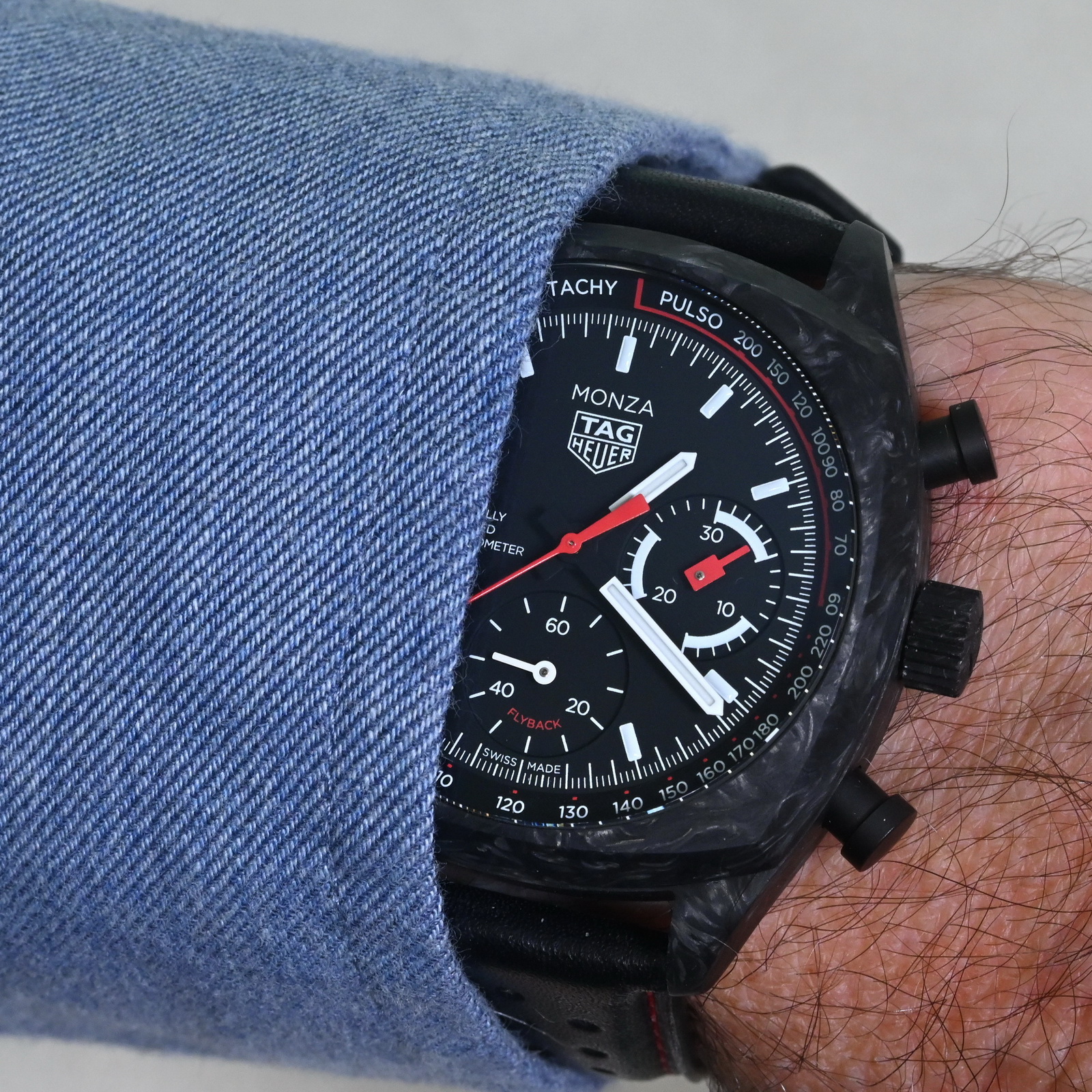
Movement — TAG Heuer Caliber TH20-12 automatic movement; 28,000 beats per hour (4 hertz); 80 hours power reserve; rotor marked in red, “TAG Heuer
Bracelet — Black perforated calfskin strap with red stitching; Black DLC grade 2 titanium; sandblasted folding clasp with double safety pushbuttons; TAG Heuer logo on black buckle.
Availability and Price – 500 watches, available from September 2026; priced at 12,600 CHF; 13,350 EUR; 11,300 GBP; 13,400 USD; 1,755,000 JPY; 105,100 HKD.
Jeff Stein
September 1, 2026